
111. Articulate
How a picture begins to move; a play by play. "Now," a microessay in closing.

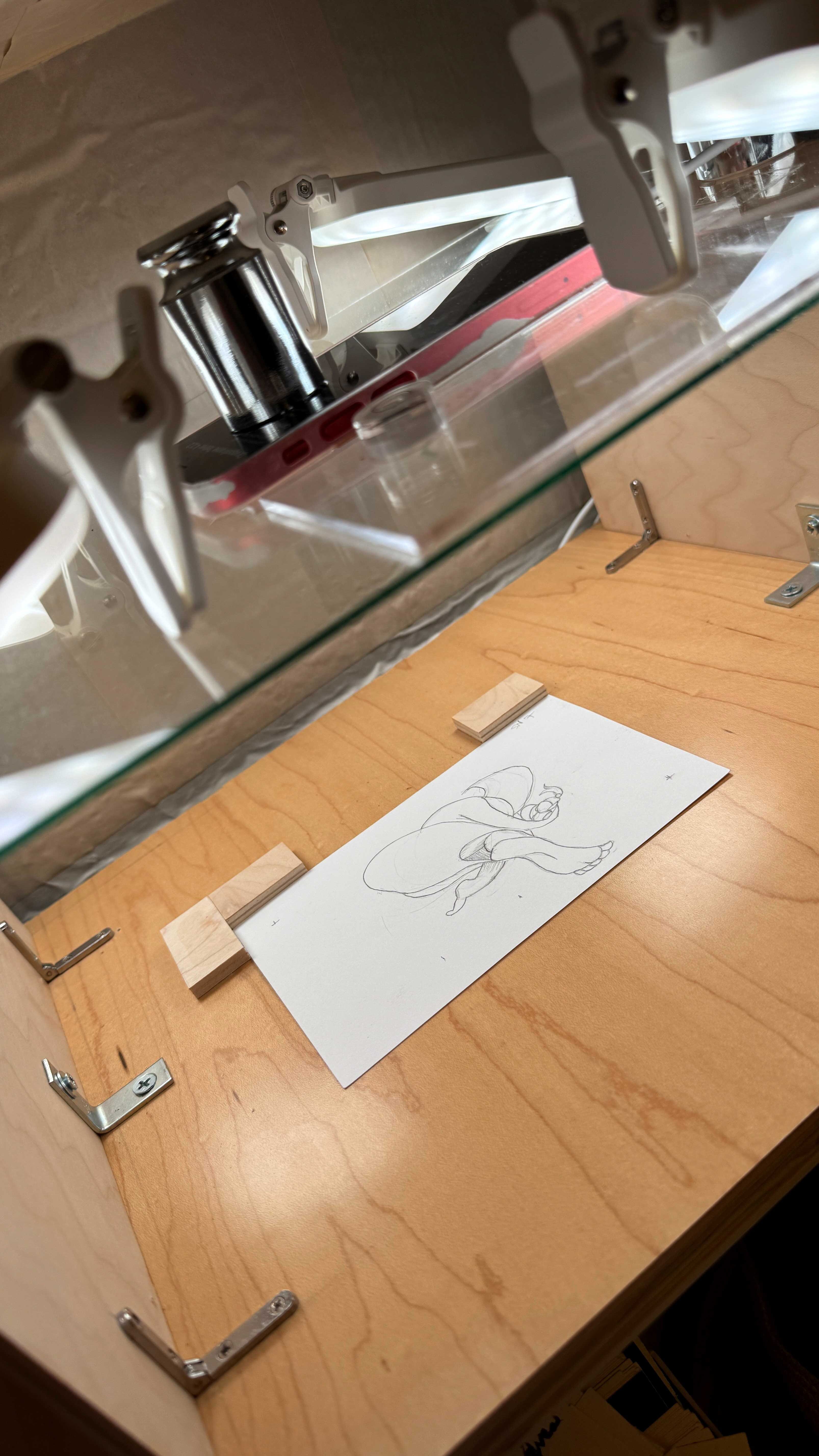
We start with a picture in our mind.1 Maybe it comes from a dream, or a memory; something we saw out of the corner of our eye, in the middle of a storm. We put it down on a piece of paper to bring it better into focus. We do this not to remember so much as not to forget. But such things resist. They don’t like containers, cameras; being captured. So we pretend not to care so much. We coax casually, with a few words; broad arcs on paper. Free to go at any time! Sketchy, loose; See? not too tight.
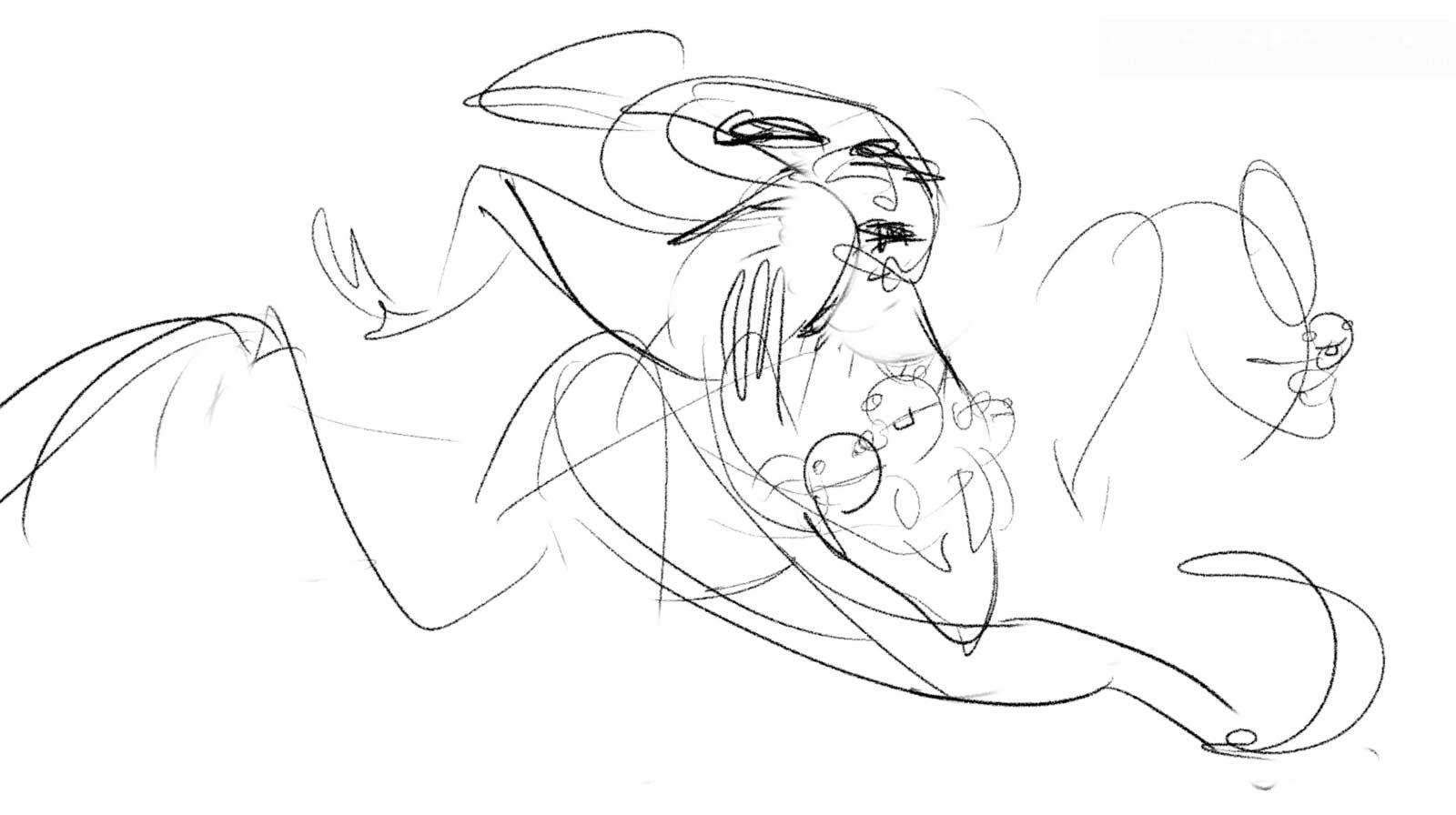
Just enough to recall a feeling, the end of a thread we can follow later.2
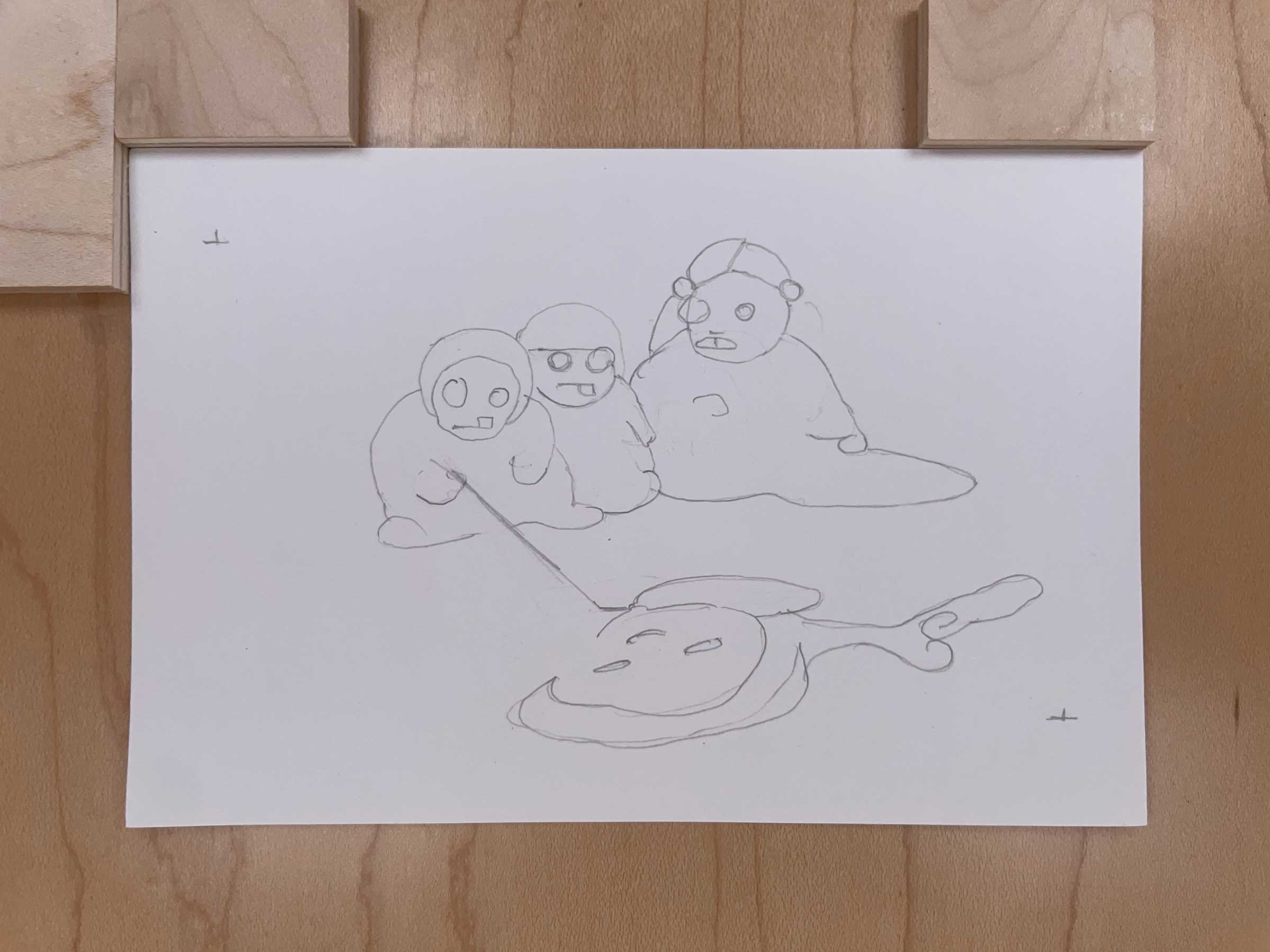
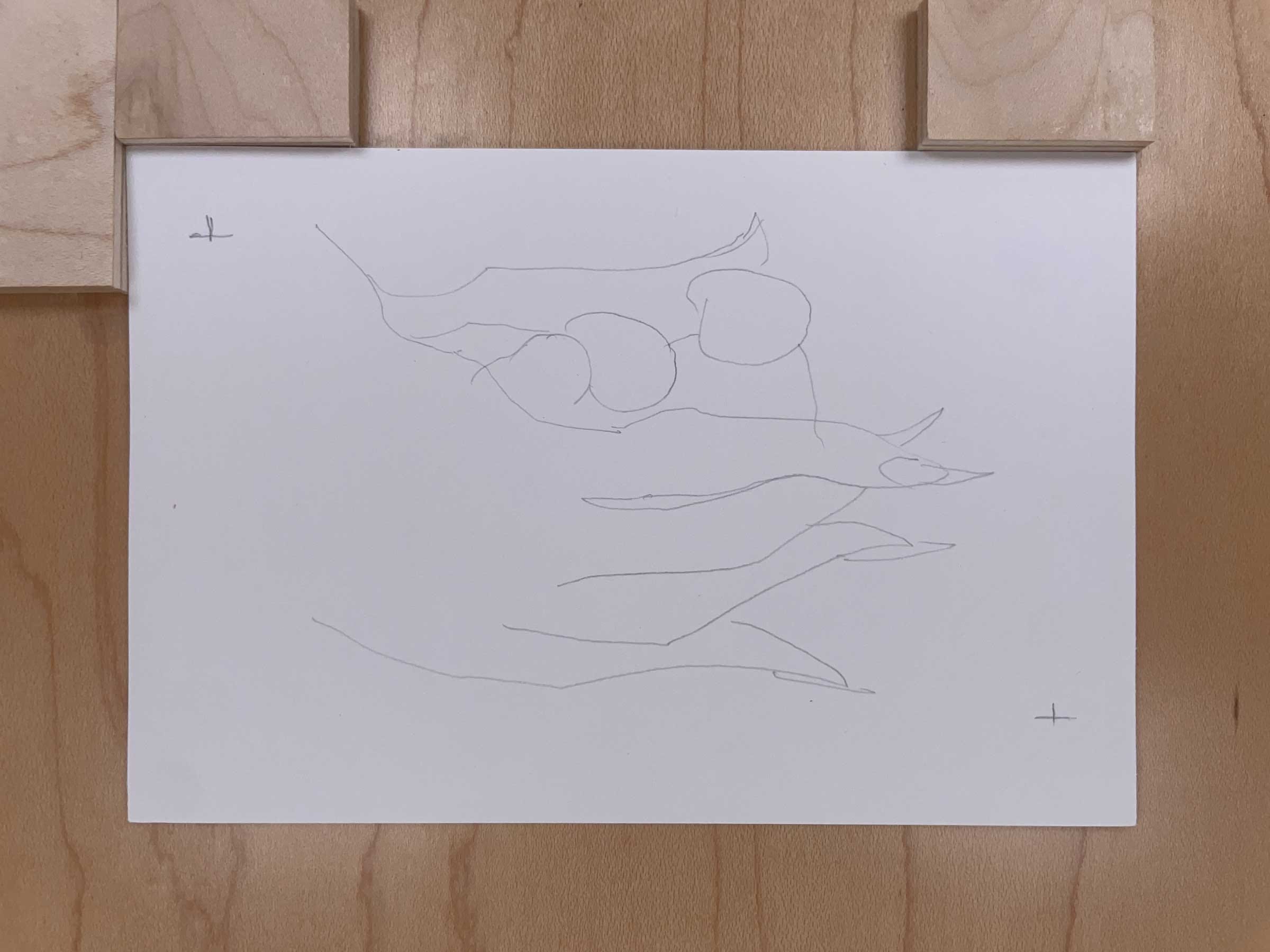
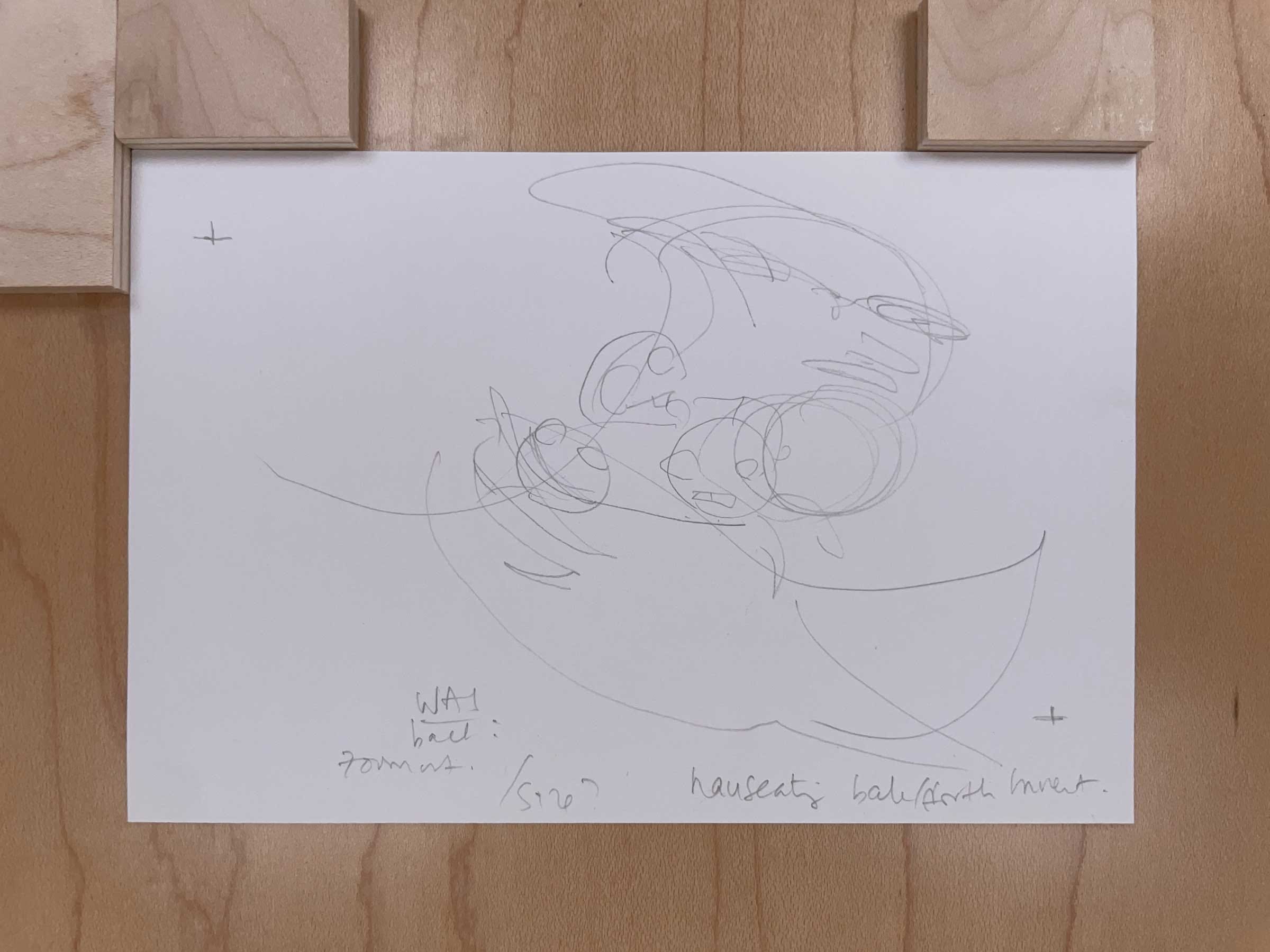
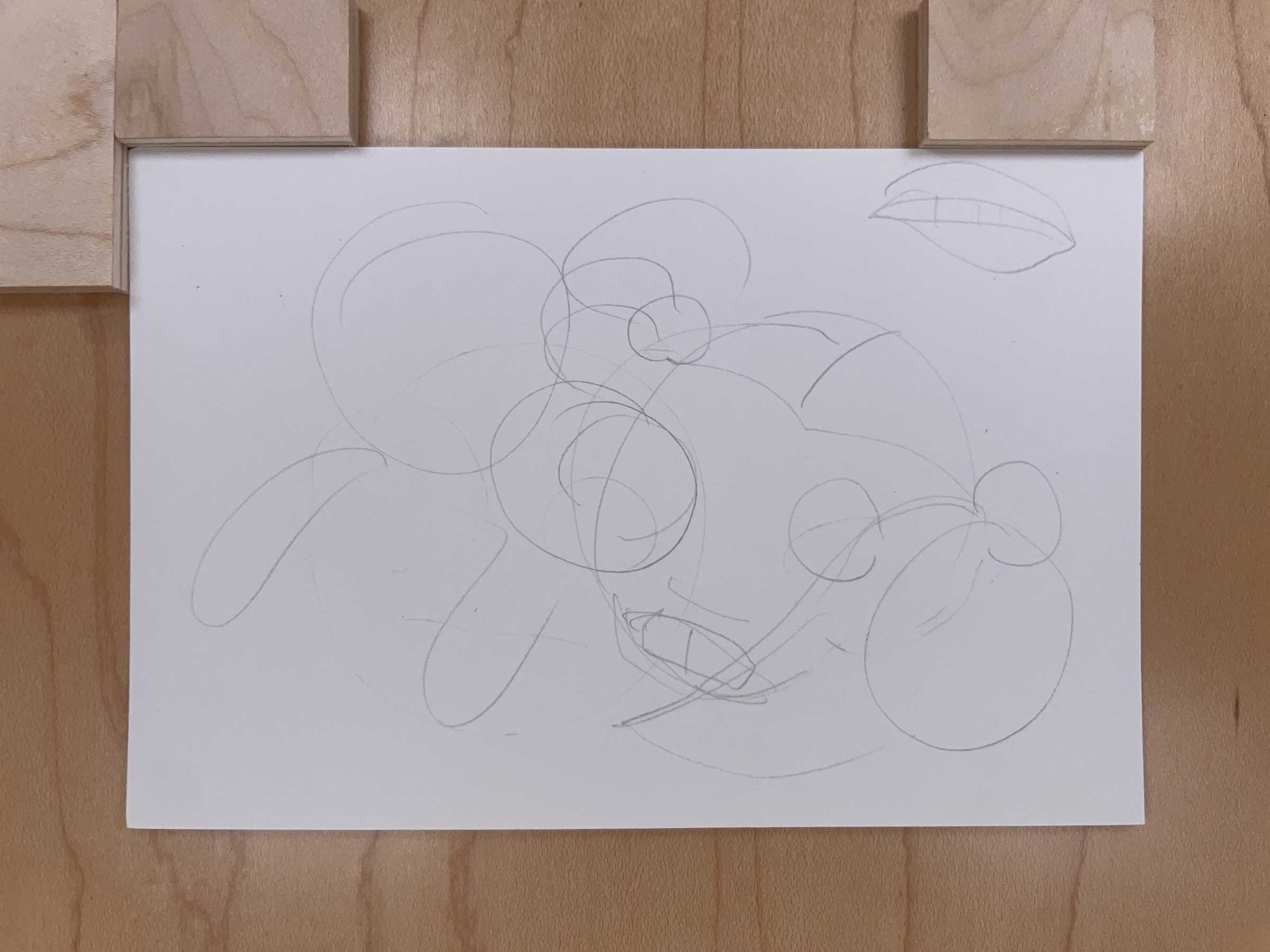
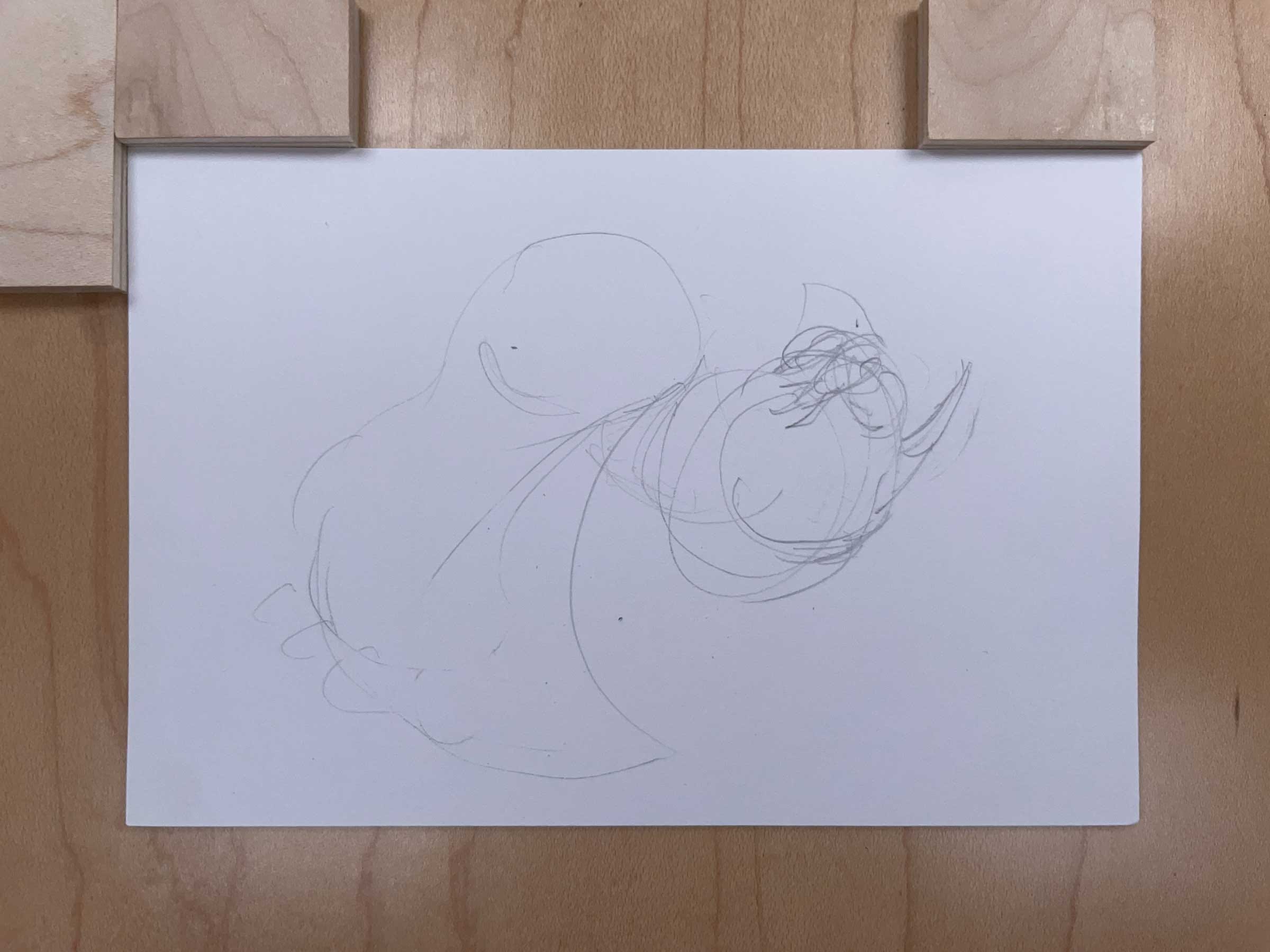
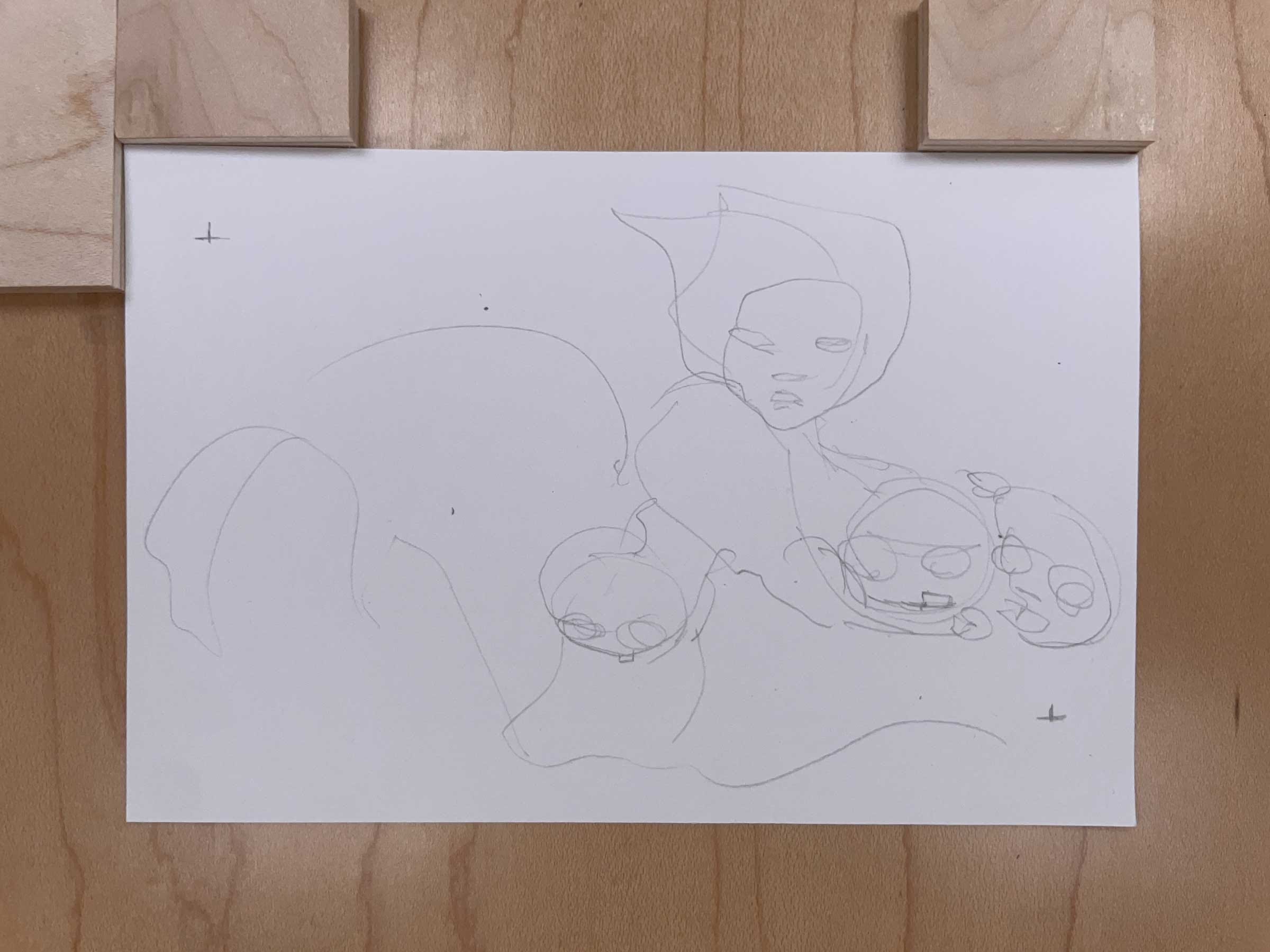
Now everyone can relax a little, because the container is bigger now—a room, a house, a world—separate from this one and increasingly autonomous. There’s freedom that comes with that kind of space. When we start making tighter lines it’s not so much like capturing and more like receiving. See? They arrive on their own, revealing.
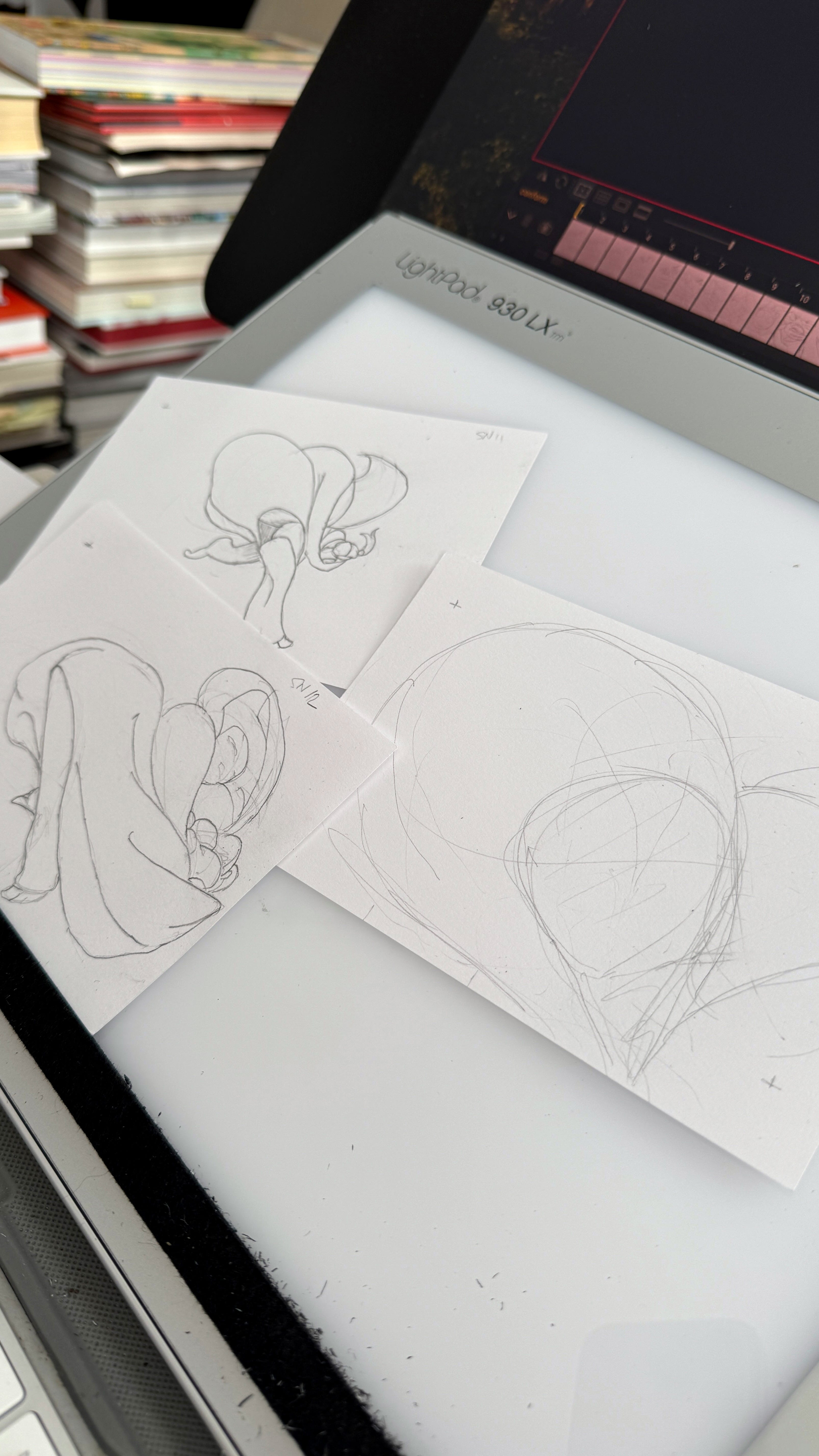
Curious, even: Where does this lead?
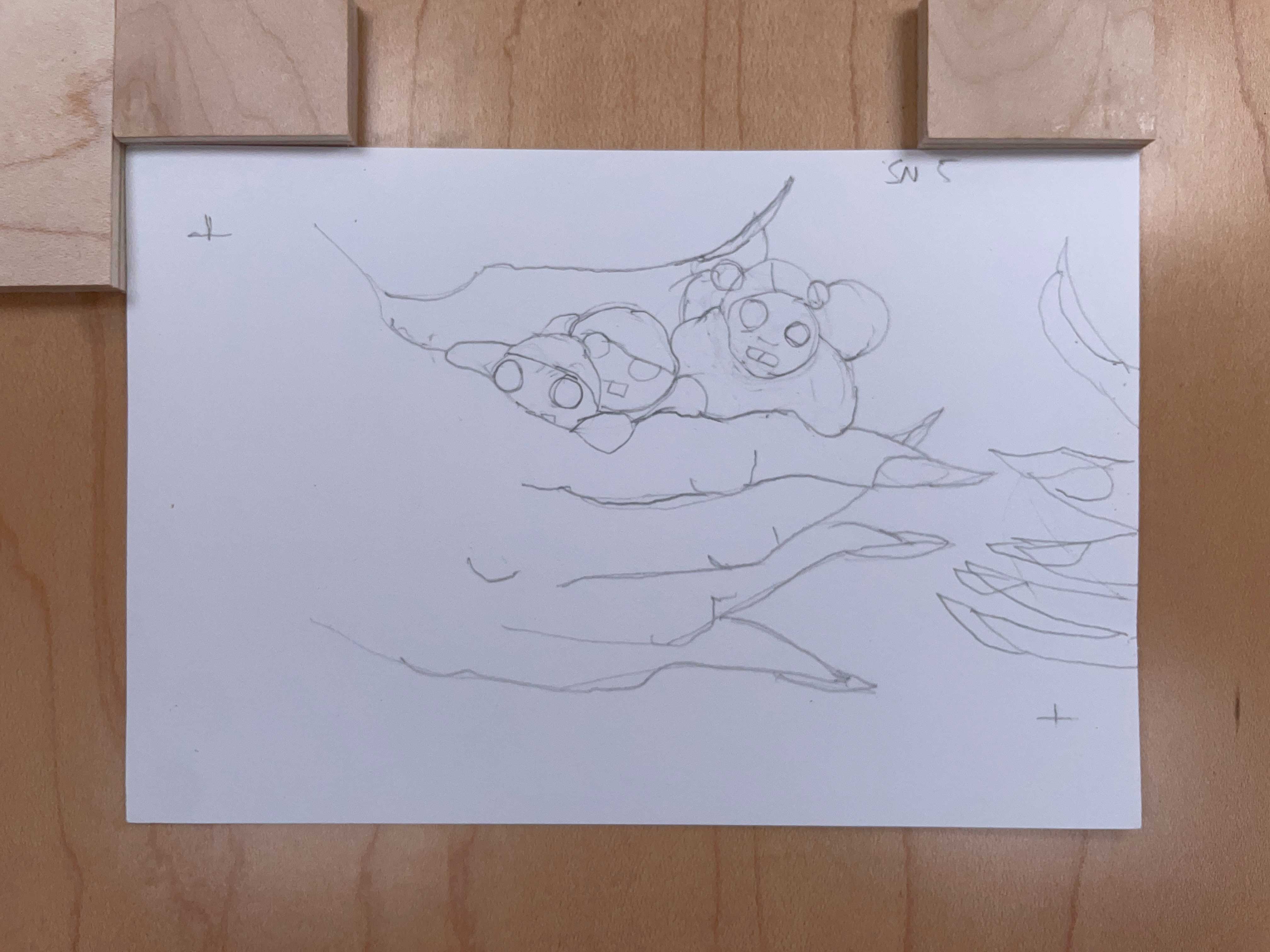
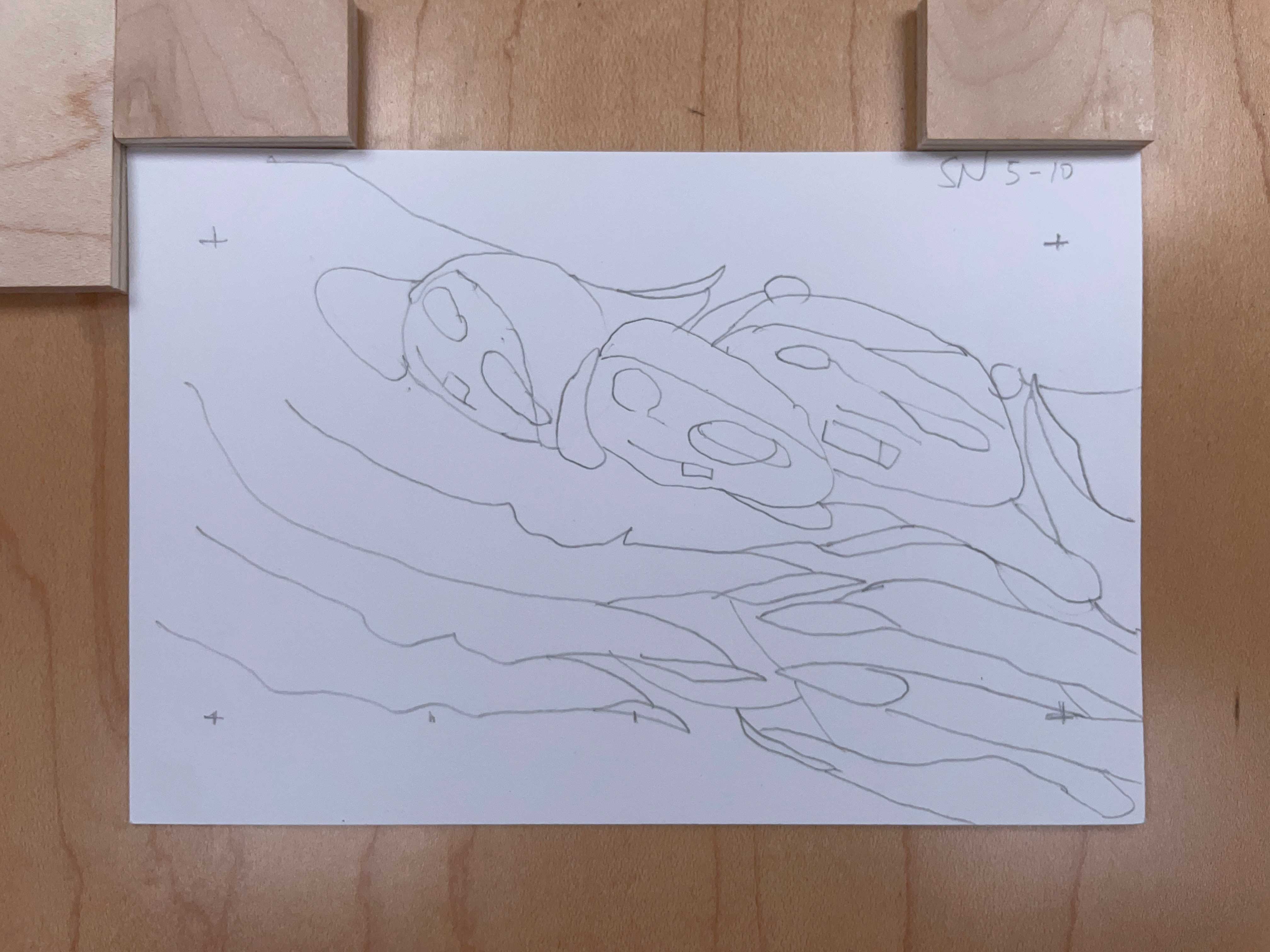
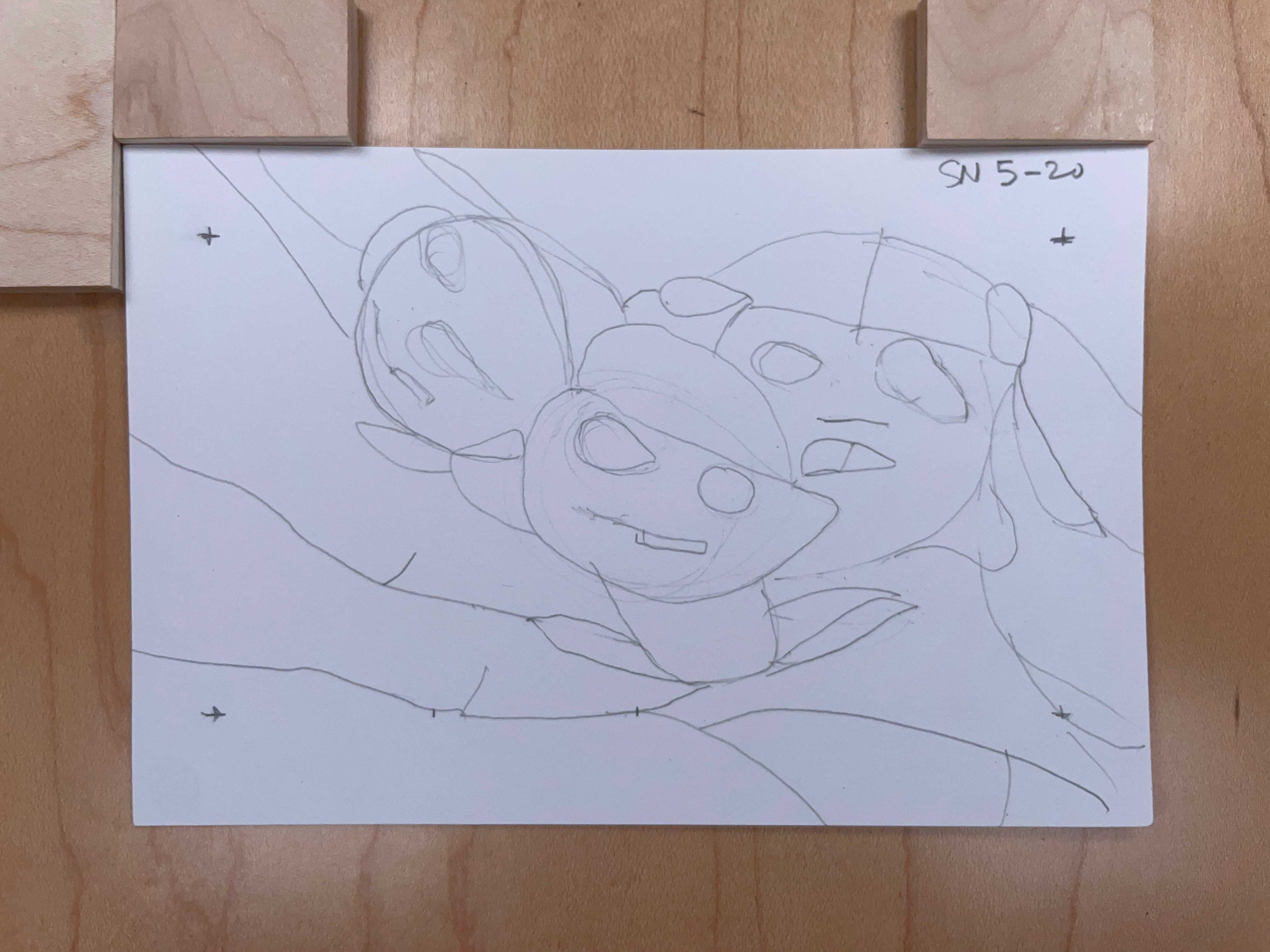
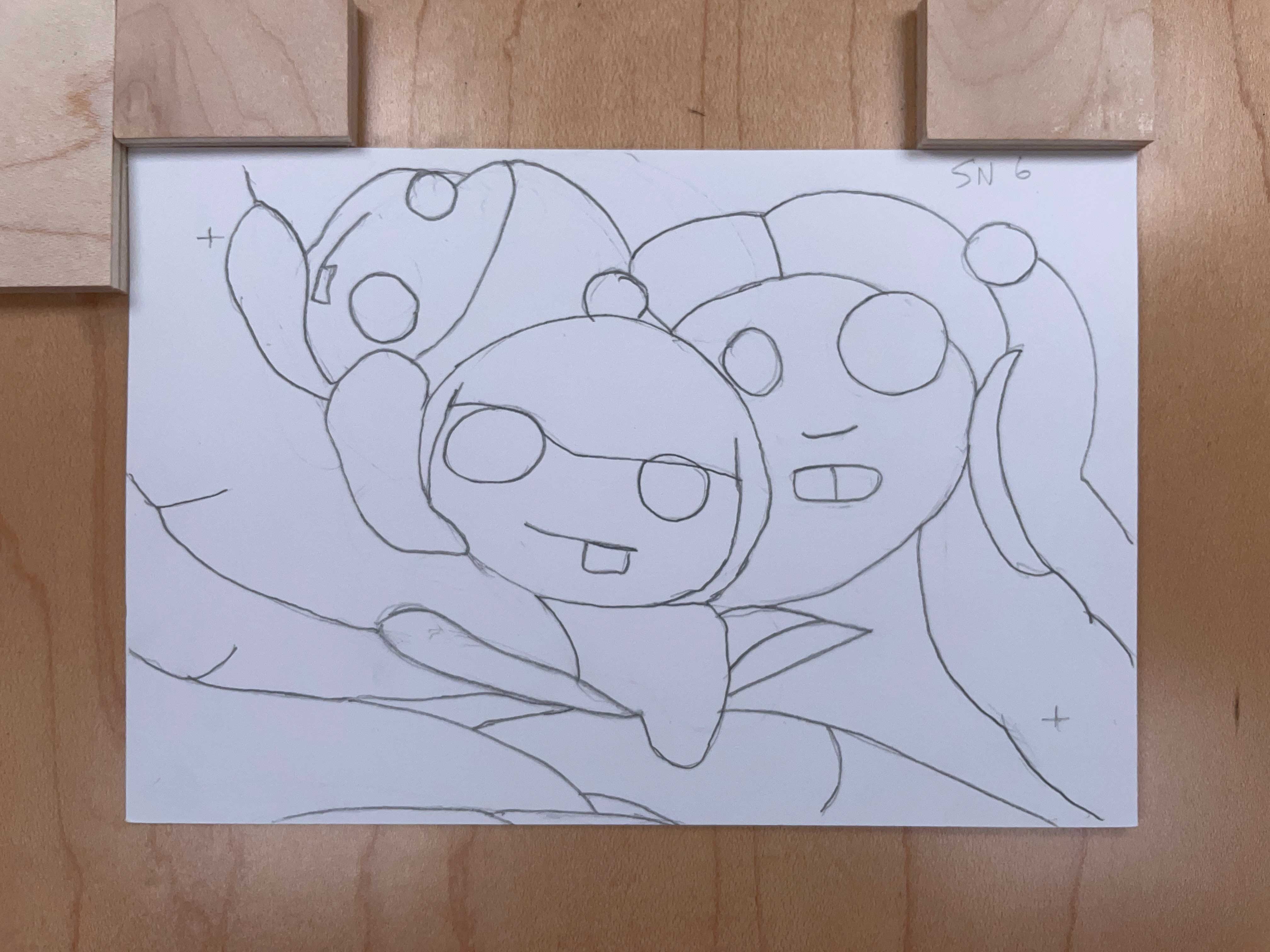
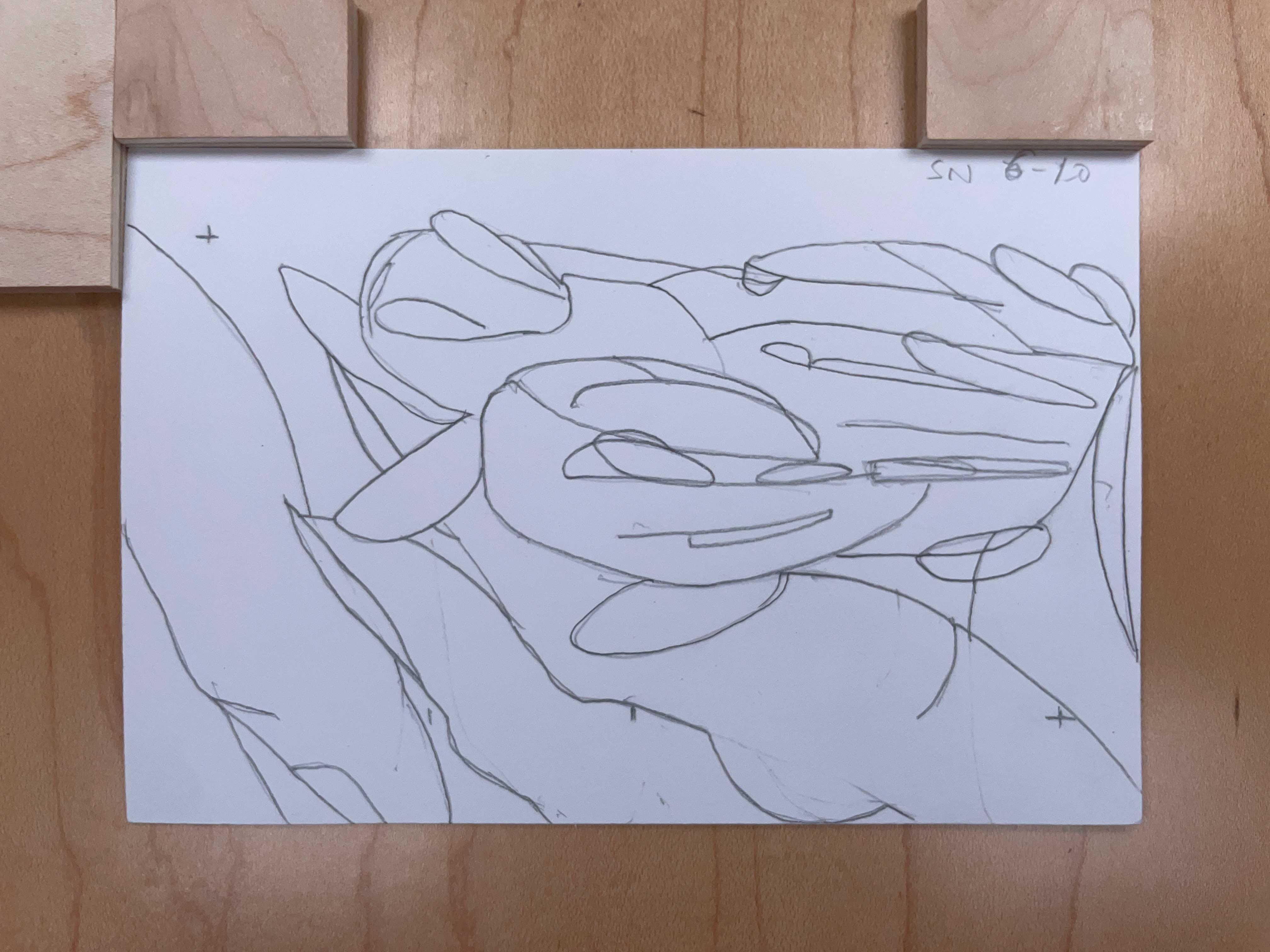
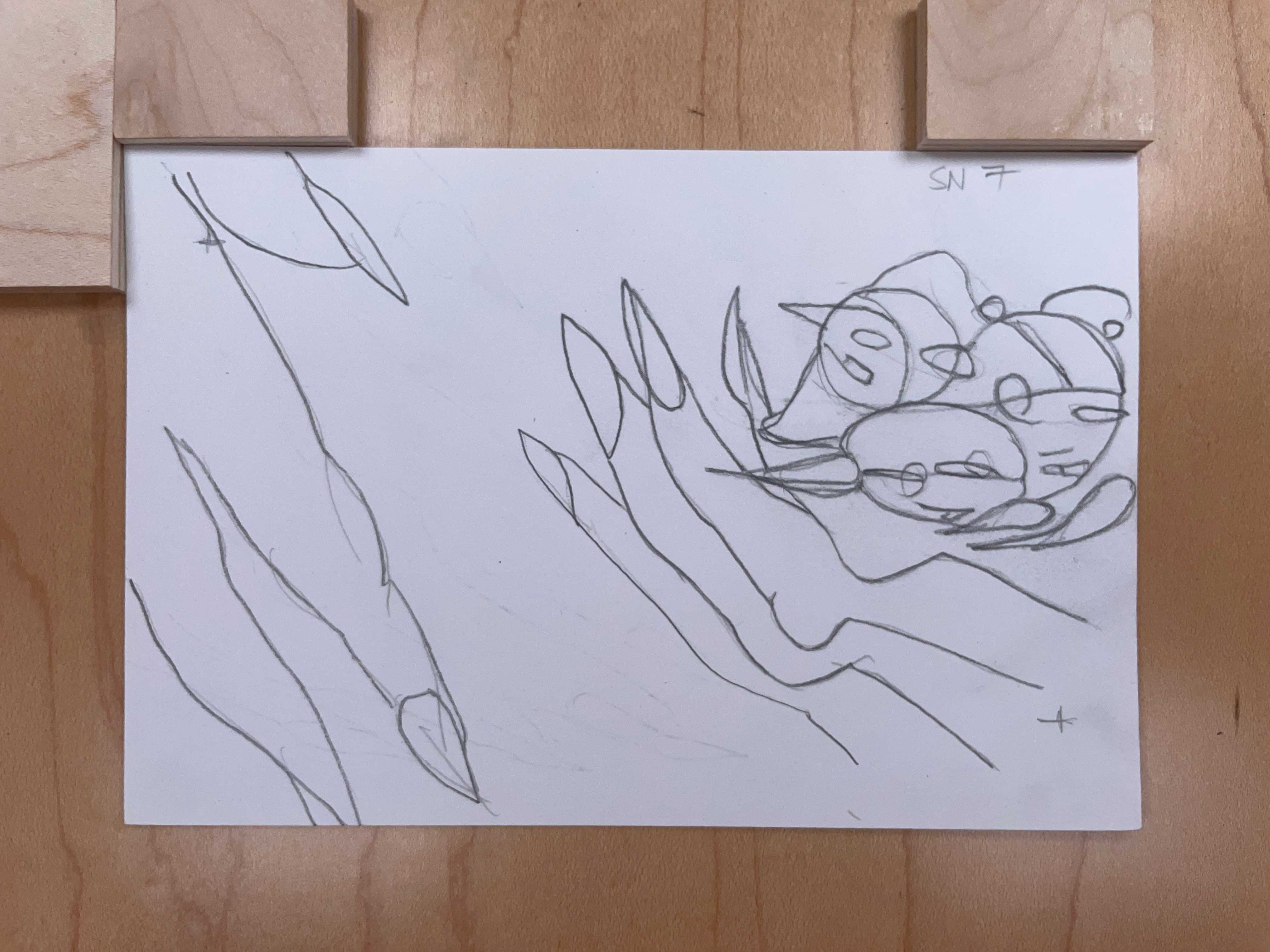
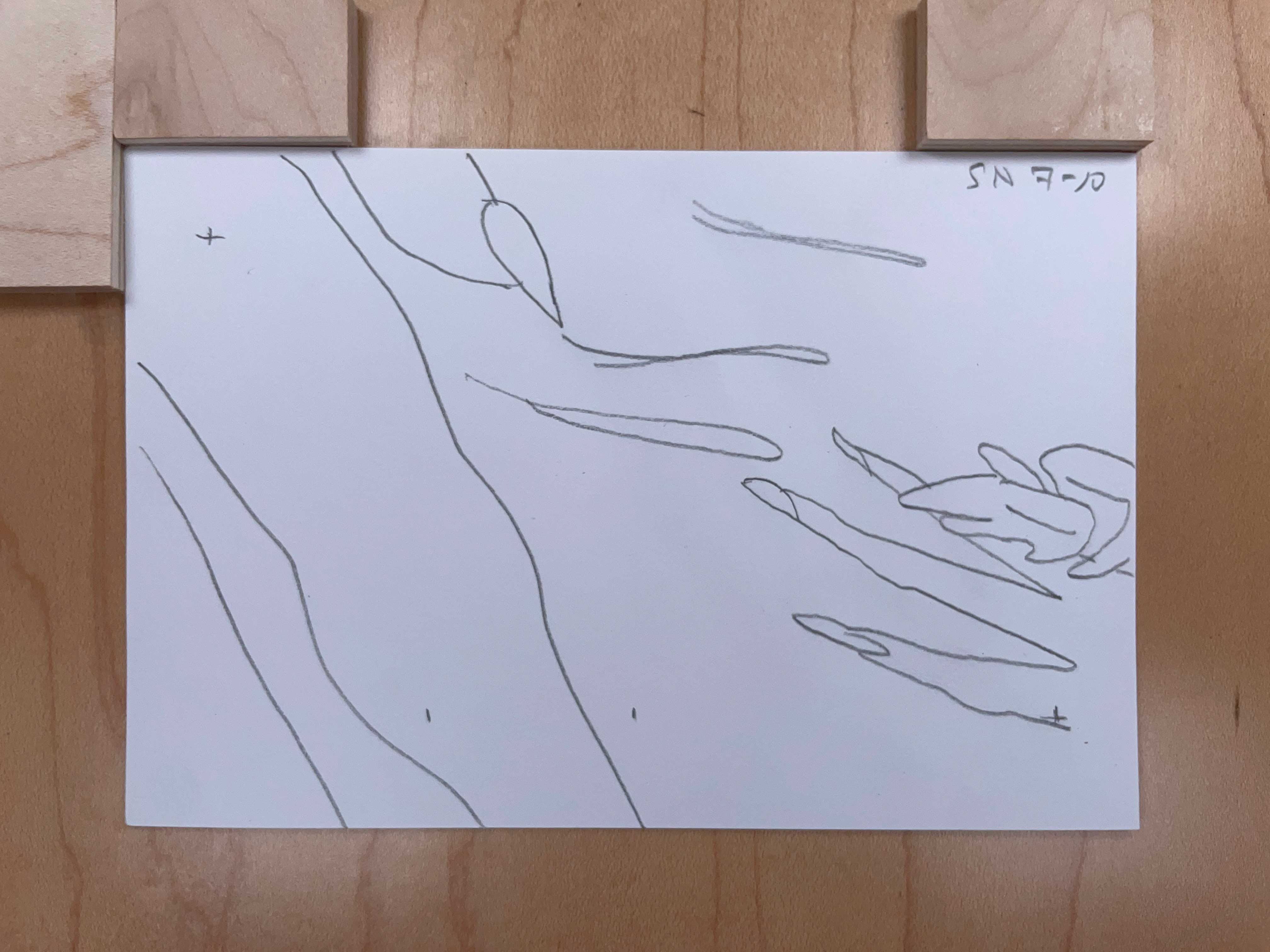
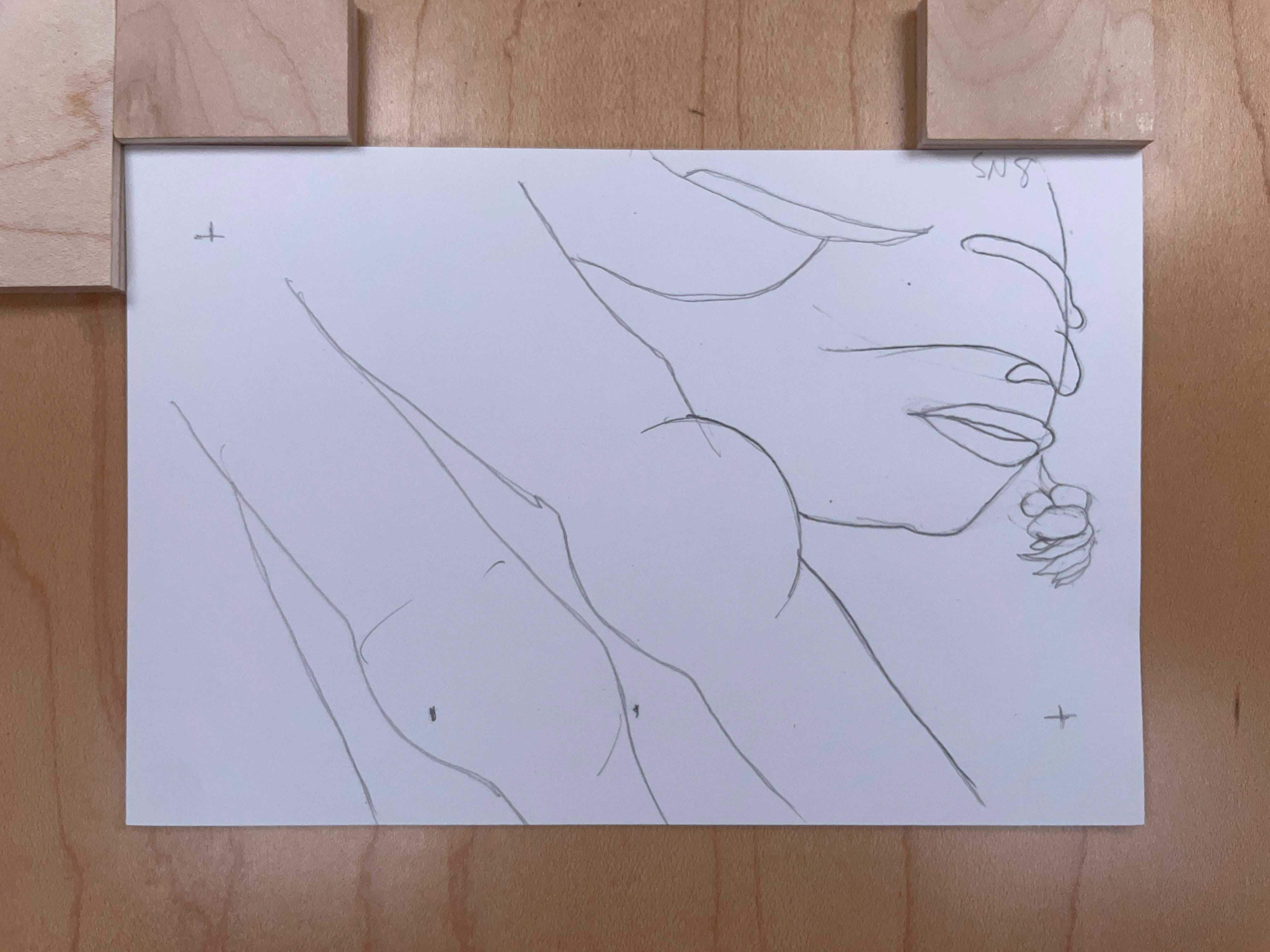
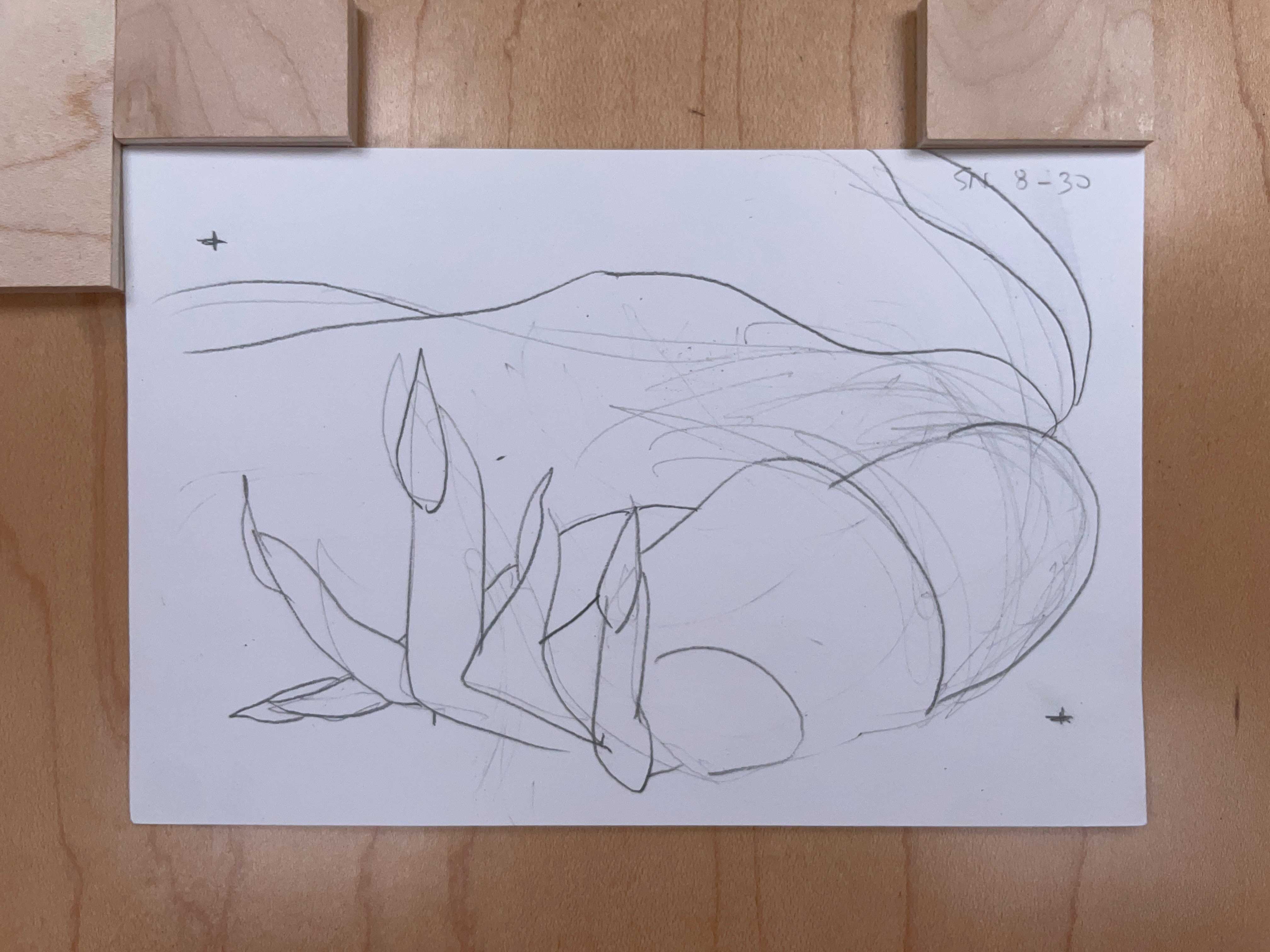
Sometimes the question isn’t where but how? For instance, from here:
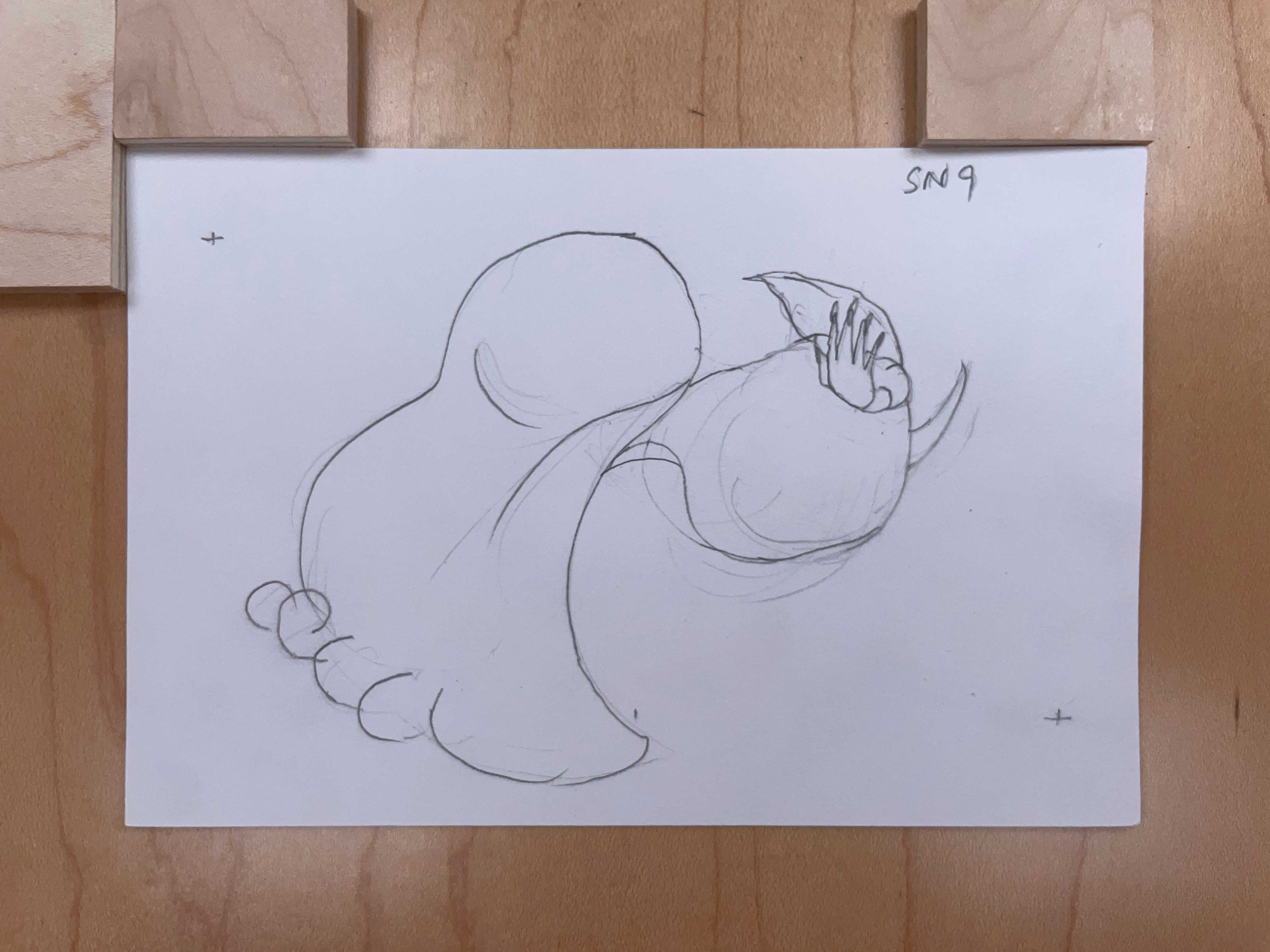
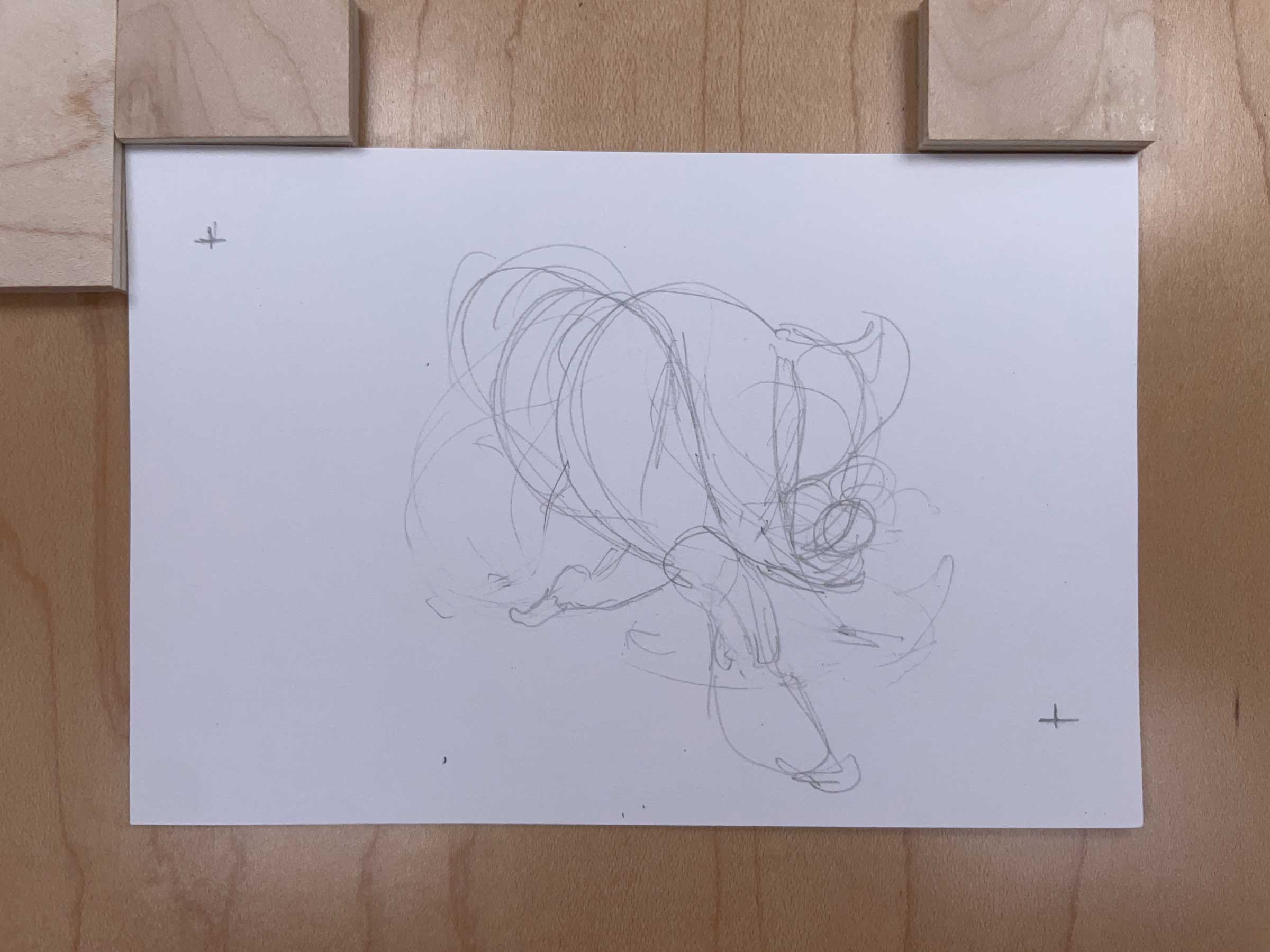
To here:
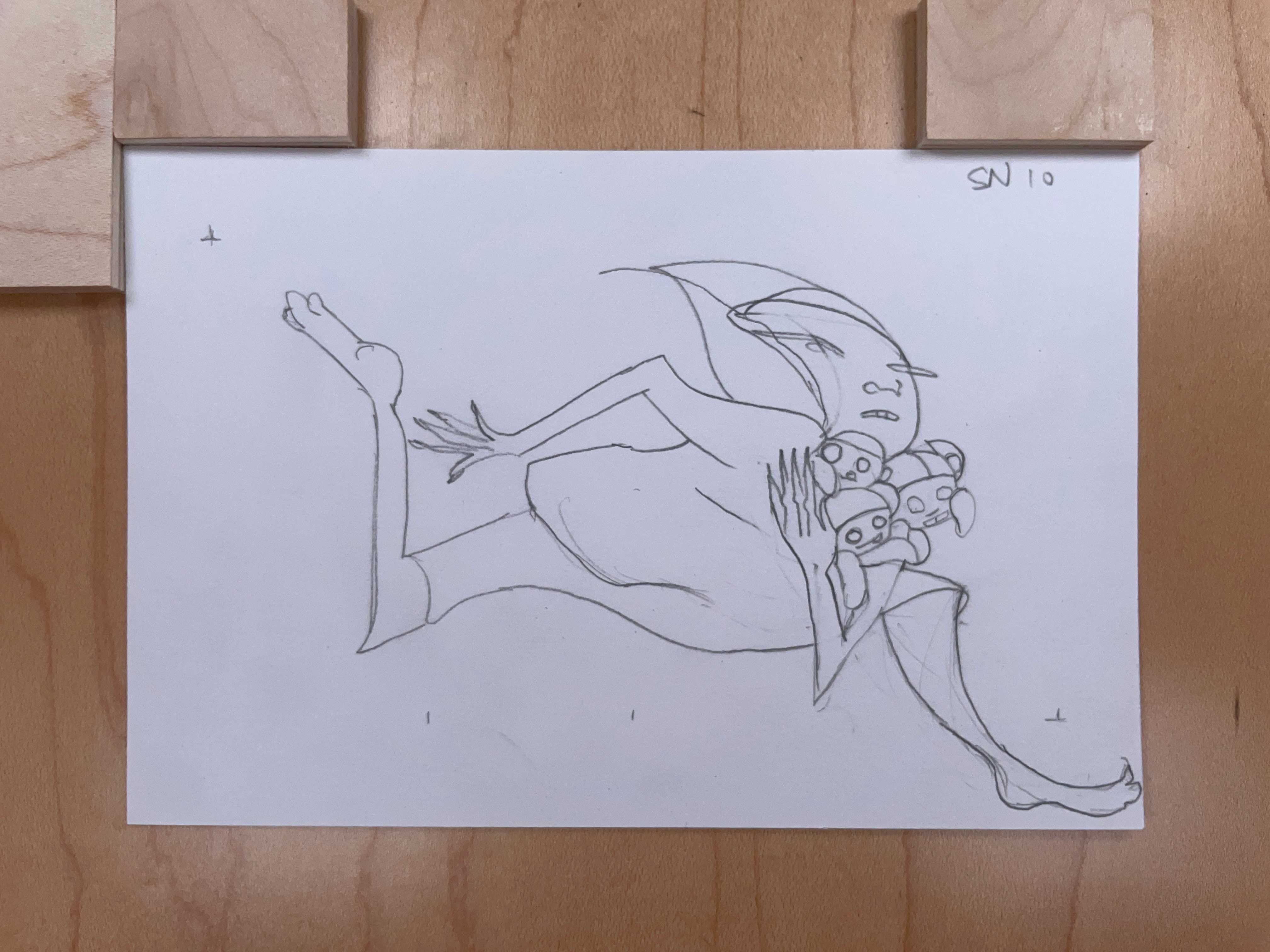
Once, we tried to answer this kind of question literally, just by reshuffling the pieces—as if A were simply a version of C.
But the result would often look lumbering and forced (because it was). Now we understand that it’s possible for some pieces to be hidden from where we’re standing, only visible from the other side of the room.
We look again: A leap is taken, then there is the landing, C.
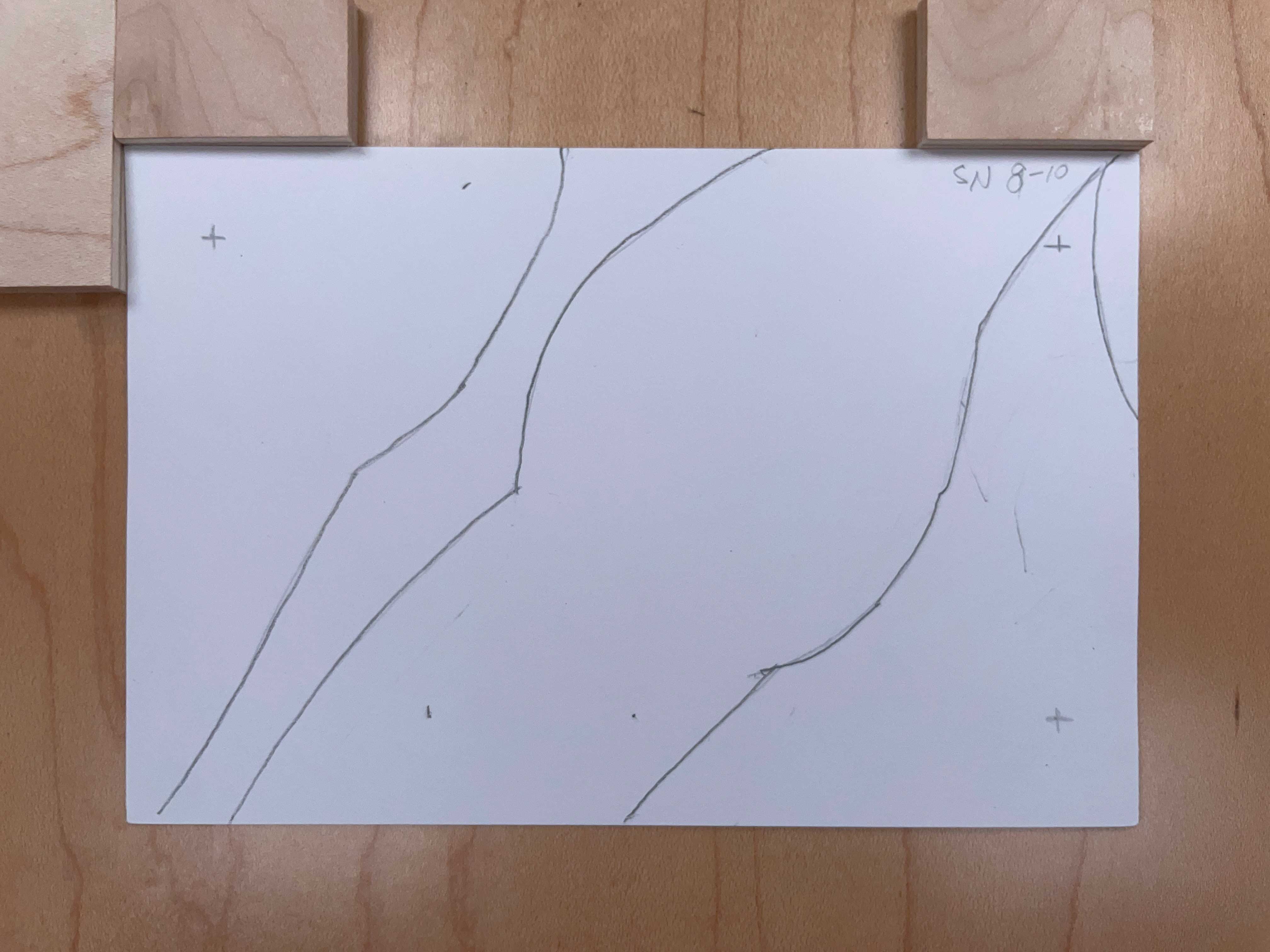
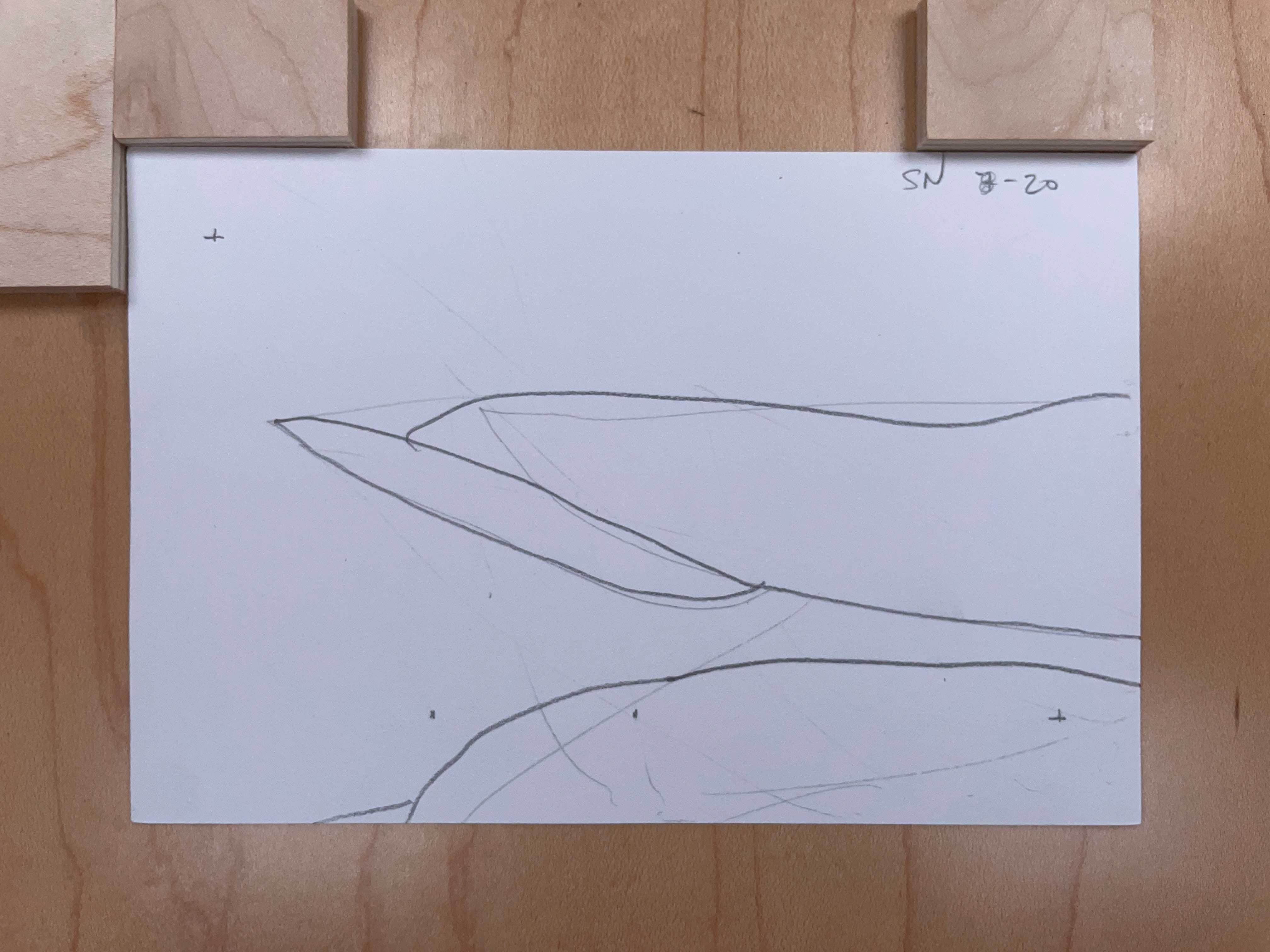
Flipping from one to the other reveals the possibility of a B:3
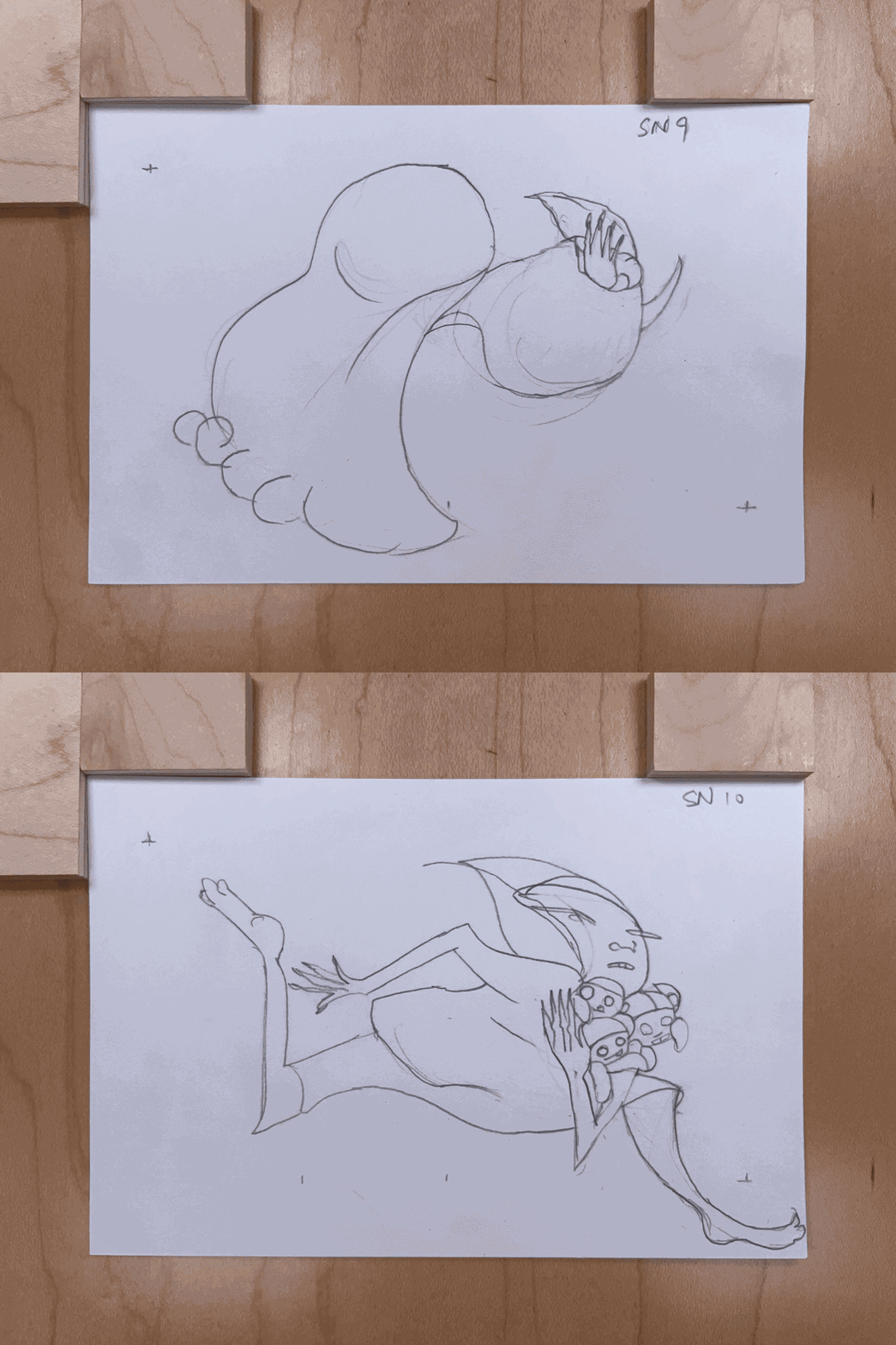
Which might in fact be a contraction:
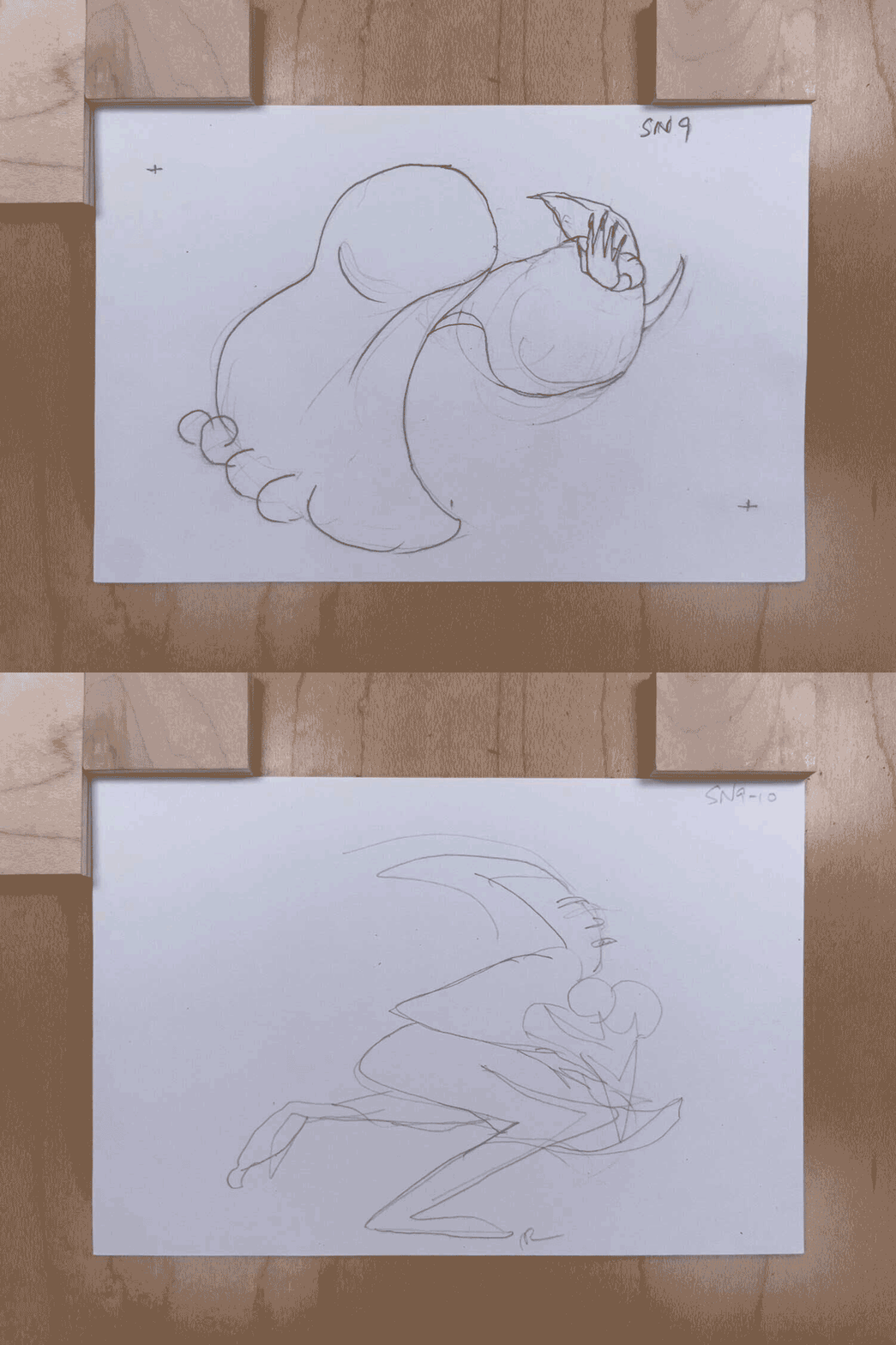
Contraction and expansion can be articulated:
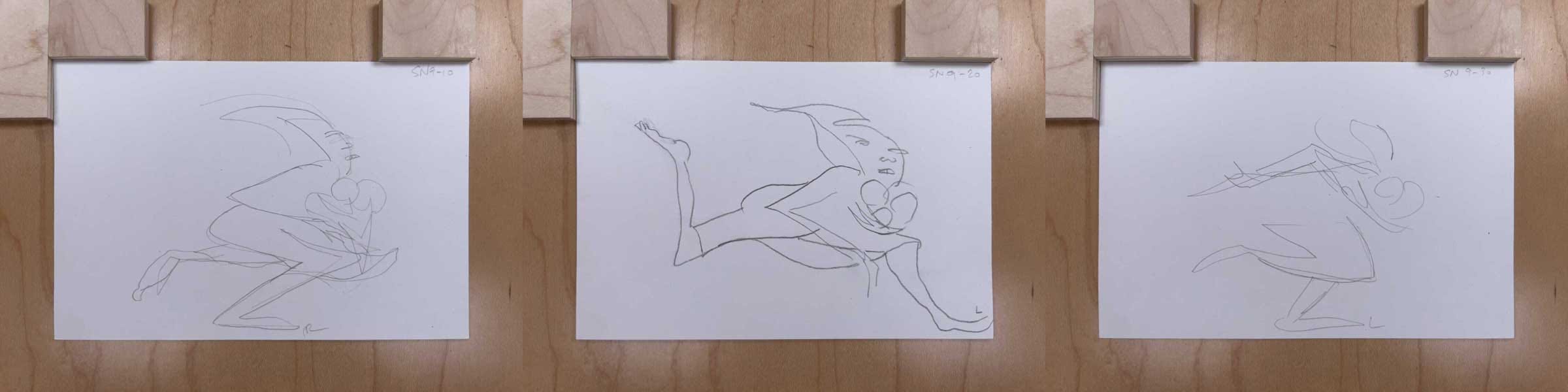
And this is how a picture begins to move:
We didn’t know so much was possible in thirty-two pictures:
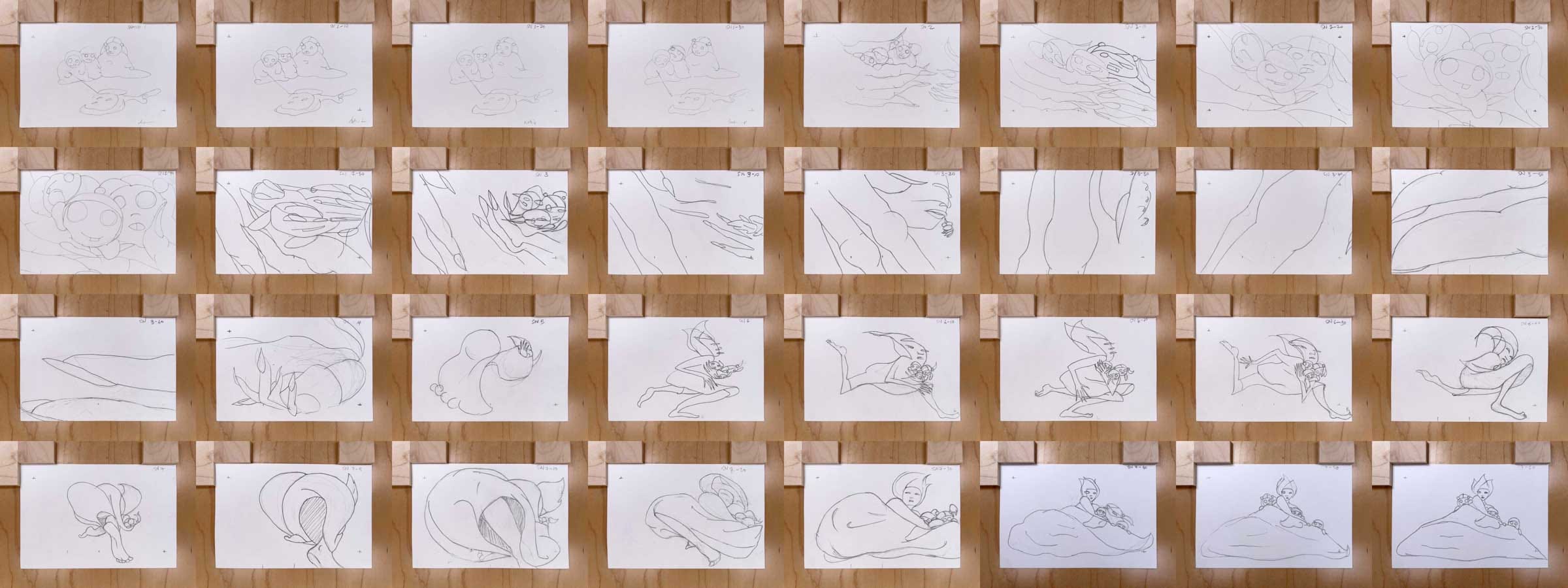
Our eyes are gone now so we let this thread rest, following others until there’s enough for continuity, change, and consequence.
Still, we feel animated (so to speak) about this beginning.
Provisions
I’ve been eating half of a cinnamon raisin bagel from the one and only Barney Greengrass here in NYC (bring cash), toasted, with a generous smear of cream cheese, every mid-morning to soothe an unquiet mind.
This interview with artist Mary Laube blew my mind. She talks about, among other things, “objectness” and the voice of margins, plainly and without airs. She happens to be a friend but her work has always been mysterious and intimidating for me (in the best way possible).
“Bad Lunch” is a essay written by a former chef about her misadventures in cooking for the ultra-rich dregs of humanity on luxury yachts. The level of excess and rot is truly impressive and would be hilarious if it were fiction. From the January issue of The Sun, one of the best literary magazines I’ve read (and I’ve read many).
Mother Mary Comes to Me is a memoir by Arundhati Roy, who, by the way, I had no idea was so cool. She reads (and sometimes sings) the audiobook version herself, and it felt special listening to it. The love she felt for her mother despite their complex and often disturbing history moved me deeply.
Khus Khus Kama Balm for winter skin. It’s expensive but one jar will last forever. It’s also an artisanal product made by a small, woman-owned business that I think is nice to support.
In closing, Now.
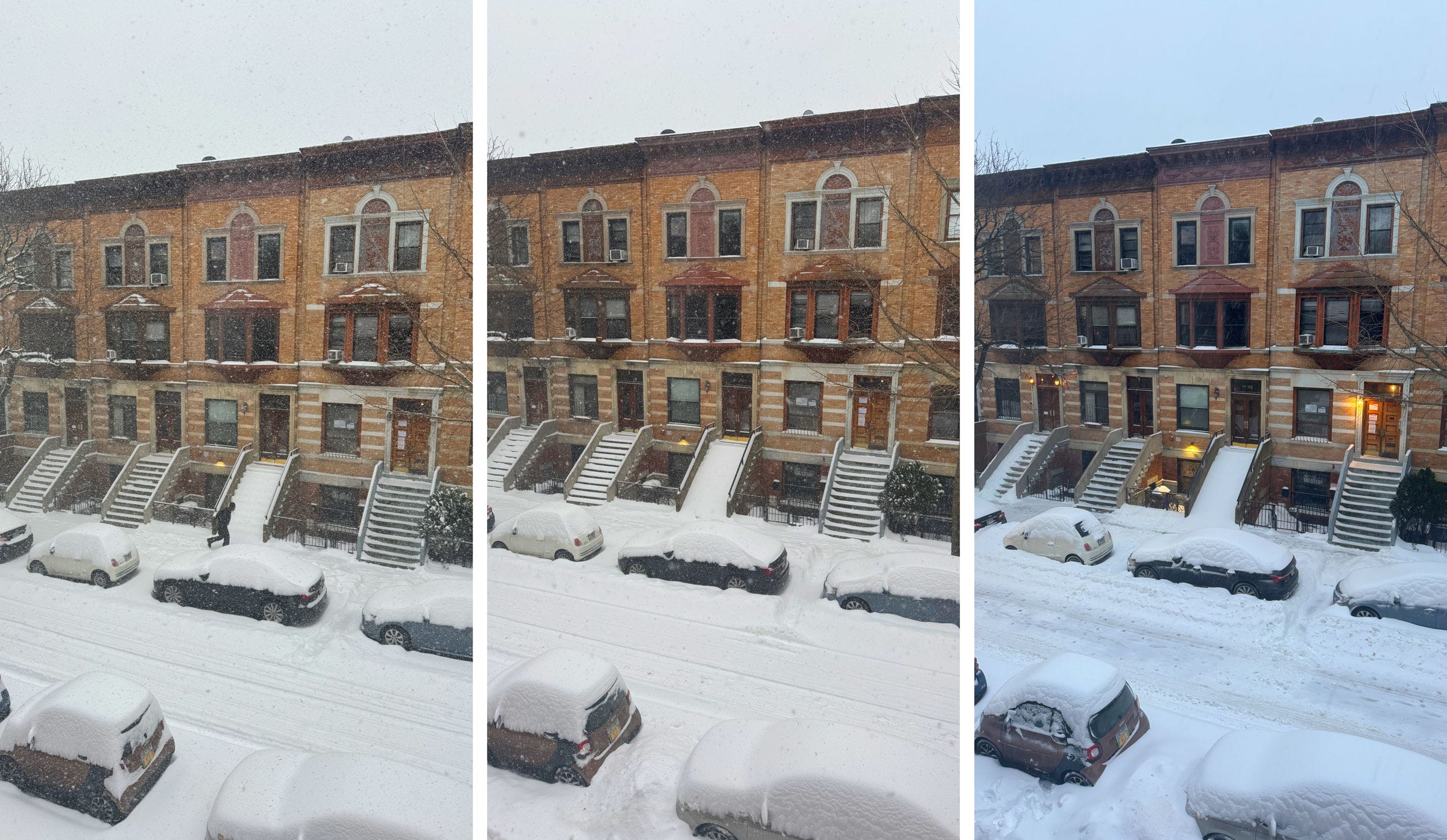
As early as Monday, we heard that a winter storm was going to hit. They said, half of the country will be affected. Everything these days sounds and feels hyperbolic, but the exaggeration ends up being real. They said, It will arrive early Sunday. Weekend farmer’s markets, where I get my eggs and yogurt, were canceled. On Thursday afternoon, I went out to pick them up elsewhere.
At Trader Joe’s, a security guard was metering entry, letting people in only a few at a time. Inside, the checkout line looped around the perimeter of the packed store, its tail spilling out the door where the front of it was coming in like a nightmarish self-rejecting ouroboros. Entire shelves had been emptied. It reminded me of 2020, when we had willfully created a scarcity of toilet paper. Yet no one was running or screaming or fighting, over toilet paper or anything else; the scene felt more like an aftermath, like something you walk into after something had happened.
Something had happened, in Minnesota. The government had shot and killed another person, a 37 year-old man named Alex Pretti. This also sounded absurd, we the free and the brave. In the rectangle of the phone a swarm of uniformed men piled on him, shots ringing out. An enraged, frightened smattering, tinny through speakers. Dispersal and stillness, the screams of a woman, what the fuck did you do.
I thought about those in the melee, Alex, and the shooter. In another time, they could have been neighbors. One sneezing, the other, bless you.
There was snow in Minneapolis. They said: subzero temperatures. We were going to get a storm in NYC too. We were waiting for it to happen, trying to prepare by buying pretzels and beer and boxes of mac and cheese. In the shuffling line, time oscillated between the future and the past, but there were signs that we were actually here; that something was happening right this minute. Everyone was a little bit rushed, the set of their mouths a little bit grim. People spoke in murmurs and sussurations. One person stepped out of place to get something they had forgotten. They walked as if they were sleeping. When they hadn’t returned by the time the line moved, we pushed their abandoned cart forward.
Trying something a little different this issue, as I foreshadowed last time. More experiments may be in our cards.
Originating sketch from 2023.
I know animated GIFs can be distracting, or exacerbate disabilities, so I now use them less liberally. Animation Policy is a Chrome extension I use to run GIFs only once, or disable them completely.