
117. MacDowell
How we residency. With stillness, in safety, through belonging. A day in the life; defragmenting Vespertine; terror kindly.

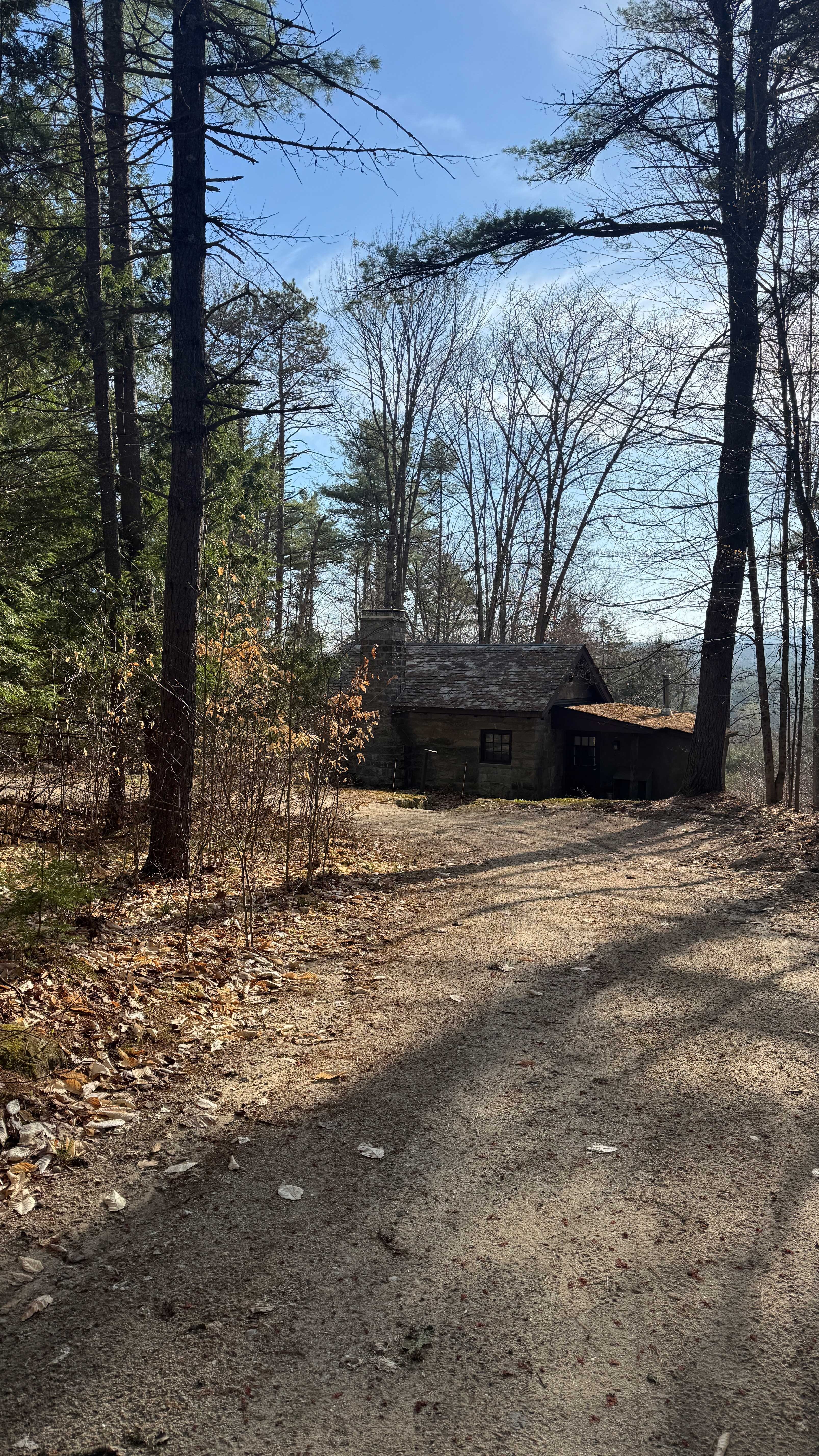
I’m back. I learned very early that two weeks1 is not nearly enough time to take advantage of a MacDowell2 residency.
In the weeks leading up to mine, I was wrapping up deliverables, juggling family obligations, and overwhelmed by a mile-long todo list. Travel makes me anxious, packing takes forever. I felt constantly on the verge of falling ill from exhaustion and stress.
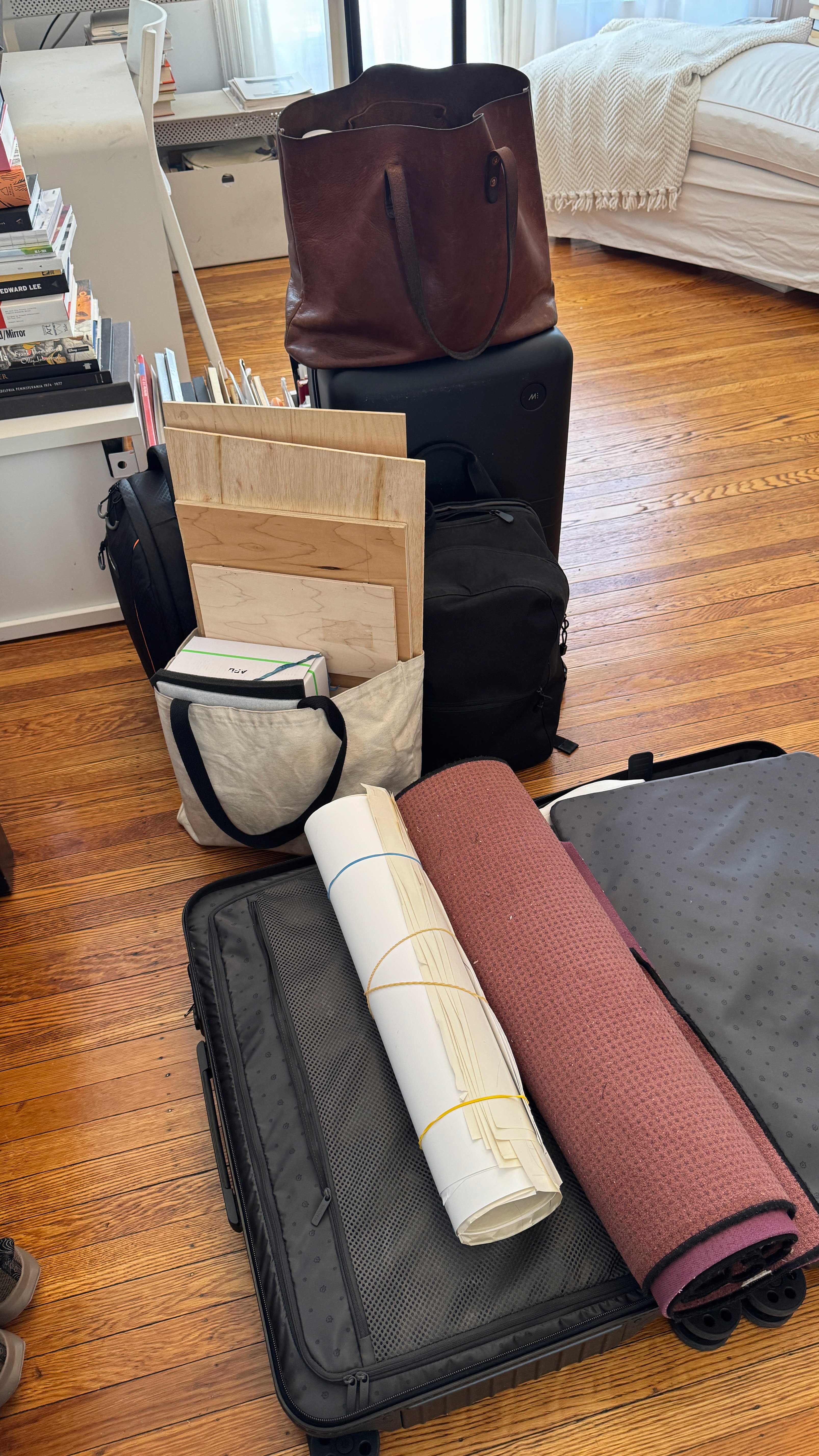
The morning of my four-hour drive from New York, I was so frazzled that I immediately (and uncharacteristically) lost the keyfob to my rental. I ran late trying to find it, which worsened the frazz. It was clearly somewhere in the car because I could turn it on (a grace), but the idea of loading it up or making pit stops without being able to lock it, belongings in full view, was harrowing. Obviously everything turned out ok, but this gives you an idea of the state in which I arrived.
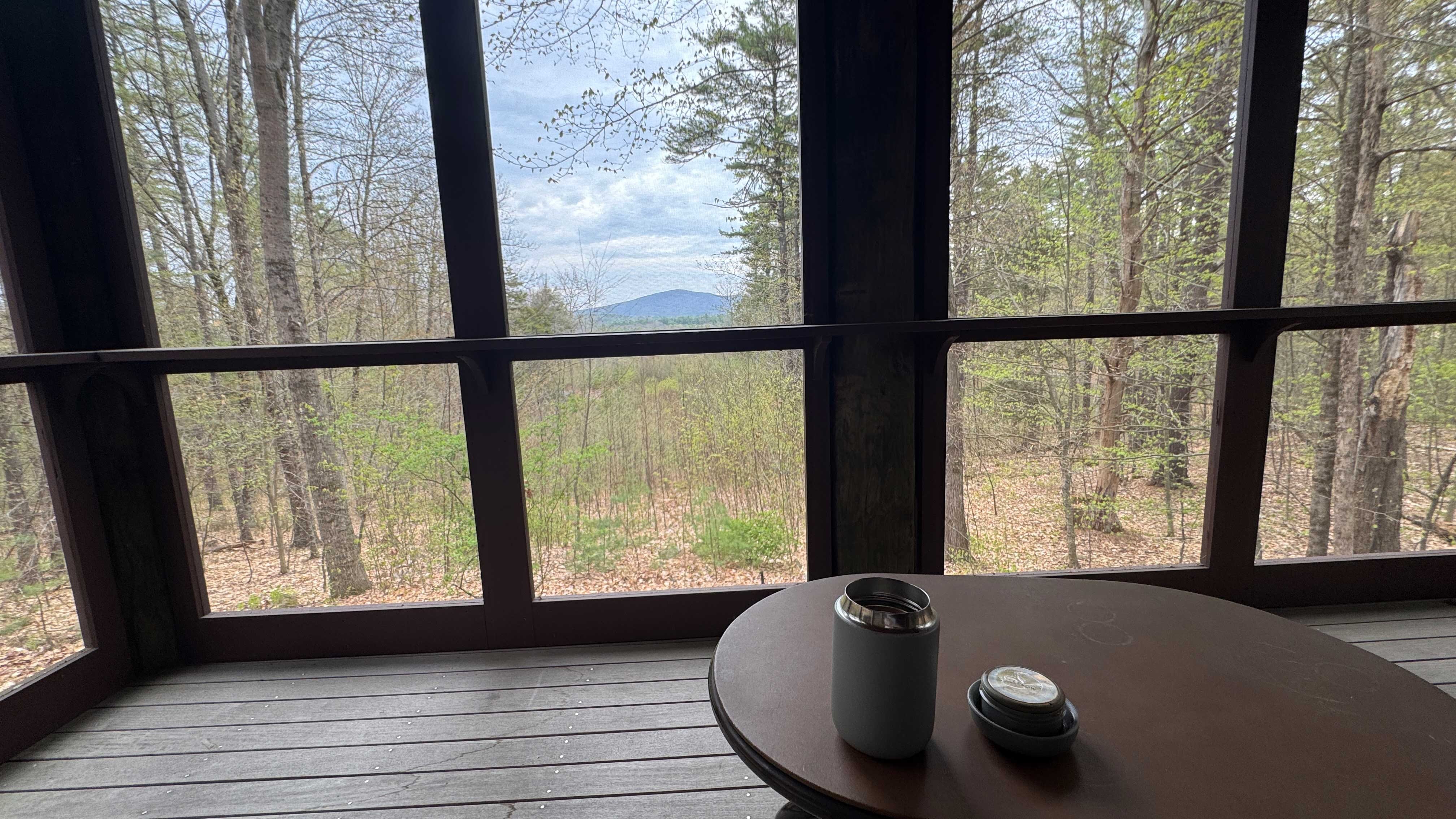
On my second or third morning at MacDowell, I was sitting on my back porch looking out at Mount Monadnock. It may have been raining, and I recall being struck by the complete absence of internal noise. I can’t recall the last time I’d experienced stillness like that. It’s quite possible that this was the first time.
Throughout my stay, artists were thoughtfully taken care of by staff, and by each other, with a bounty of privacy intersecting with brief but glad interactions. Fellows would use Wi-Fi side by side in the library; say warm hellos in passing; ease into the day together at breakfast. Conversations outside of dinner, though not curtailed or avoided, naturally felt interstitial; we were happy to see each other, and we were eager to get to work.
In the Studio
When all was said and done, of the fourteen3 days of my residency, I spent about nine animating.
I came to understand that effortless productivity is possible when one feels safe, with needs—basic and beyond—taken care of. Good coffee, first thing. Hot breakfast, to order. Lunch, delivered quietly. Dinner, with dessert. Dishes, done. Linens, washed. Communion, nightly.
Here, the meme of fat puppies, sleeping on their backs with tender bellies exposed, comes to mind. Basically, us:

A day in the life
The following is the routine I largely kept to at MacDowell.
6 to 6:30am · Get up. (I did oversleep on occasion, once waking in a well-rested panic at 9am. I blame the blackout blinds, but I may also have needed it.)
Run/walk 3 miles:
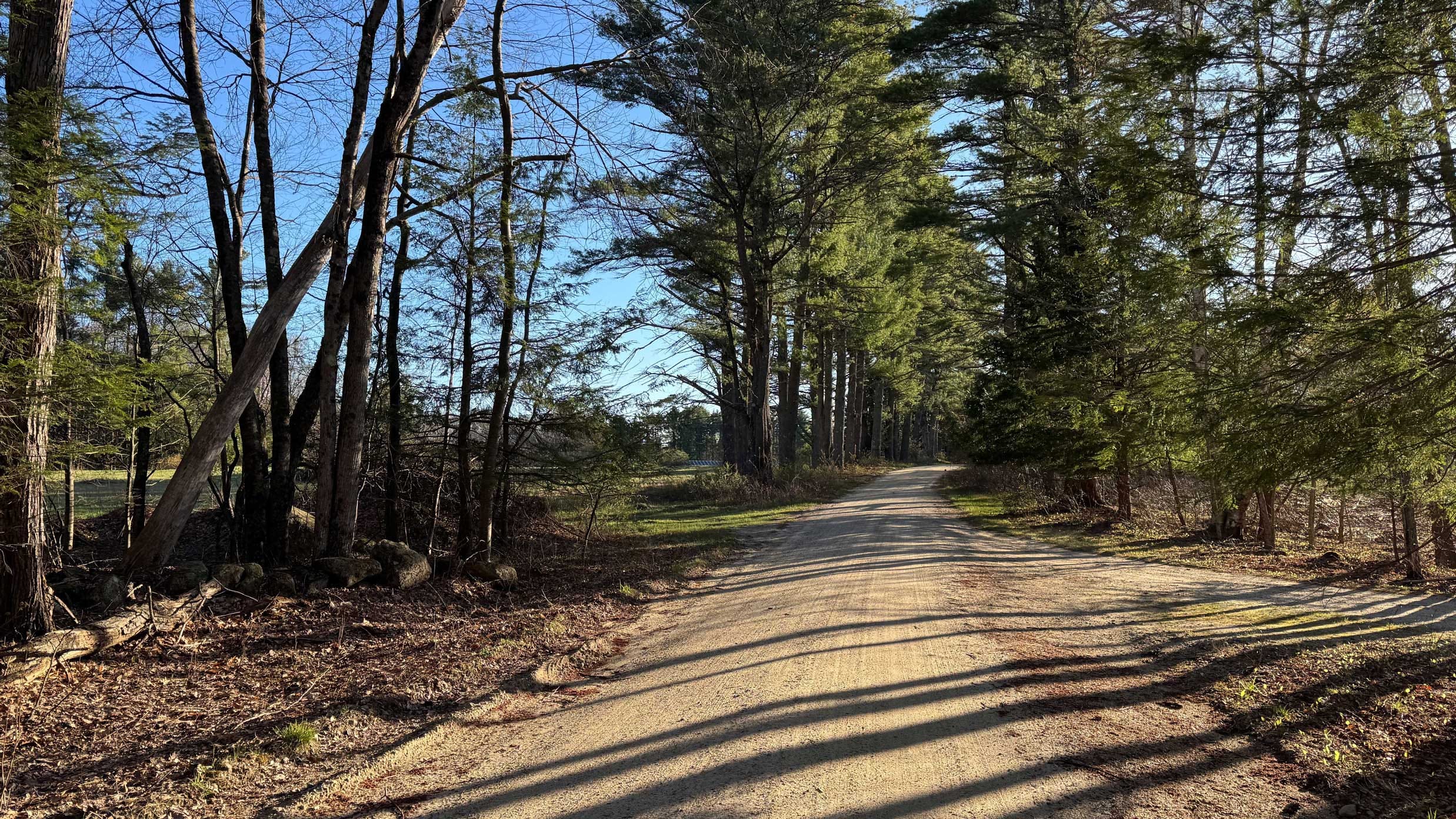
7:30am · Pick up breakfast to eat on my back porch:
Journal, finish coffee:
8 to 8:30am · Get to work:
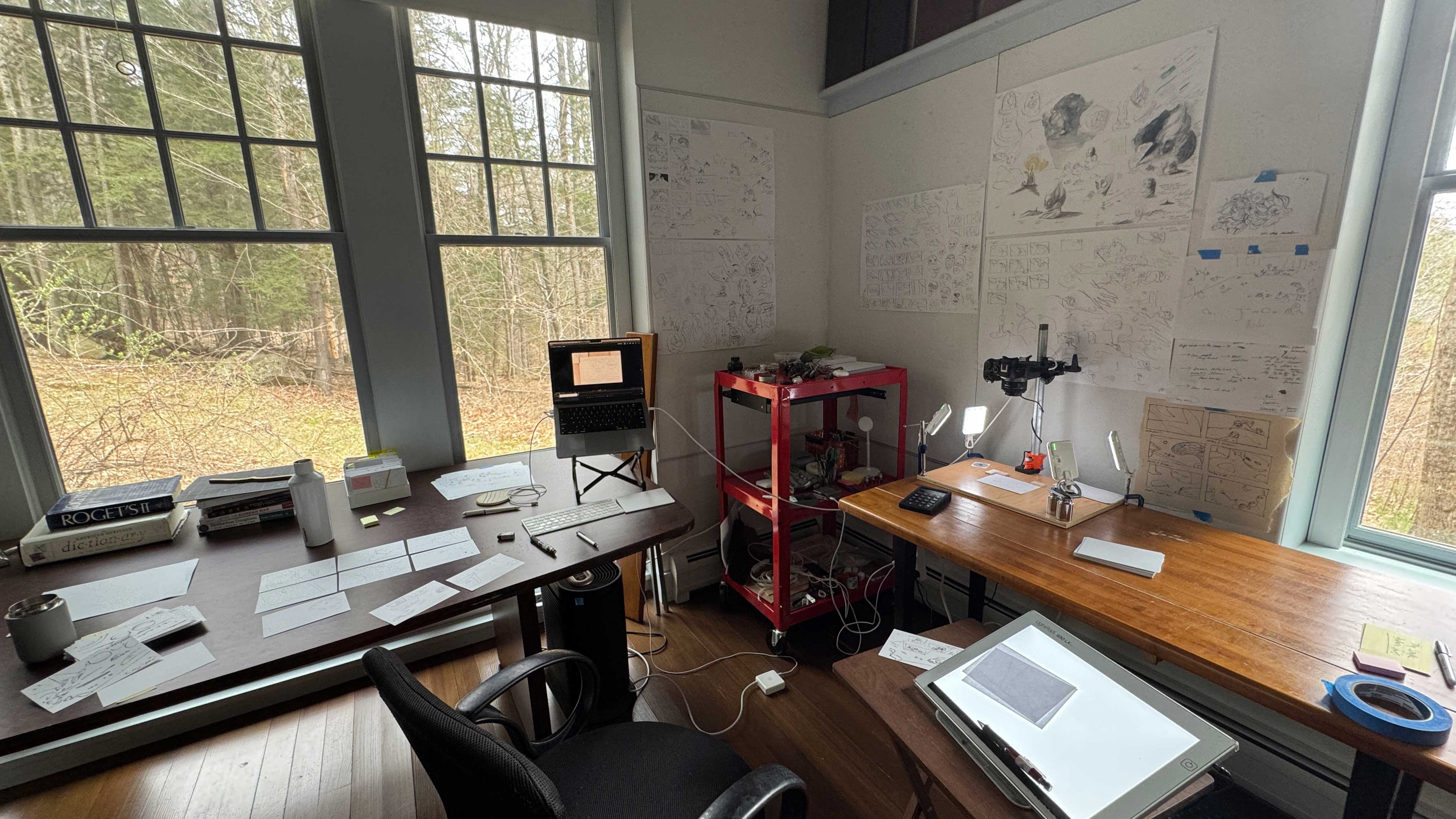
Welcome interruptions:
12pm · Quick lunch, arrival announced by footsteps I came to look forward to:
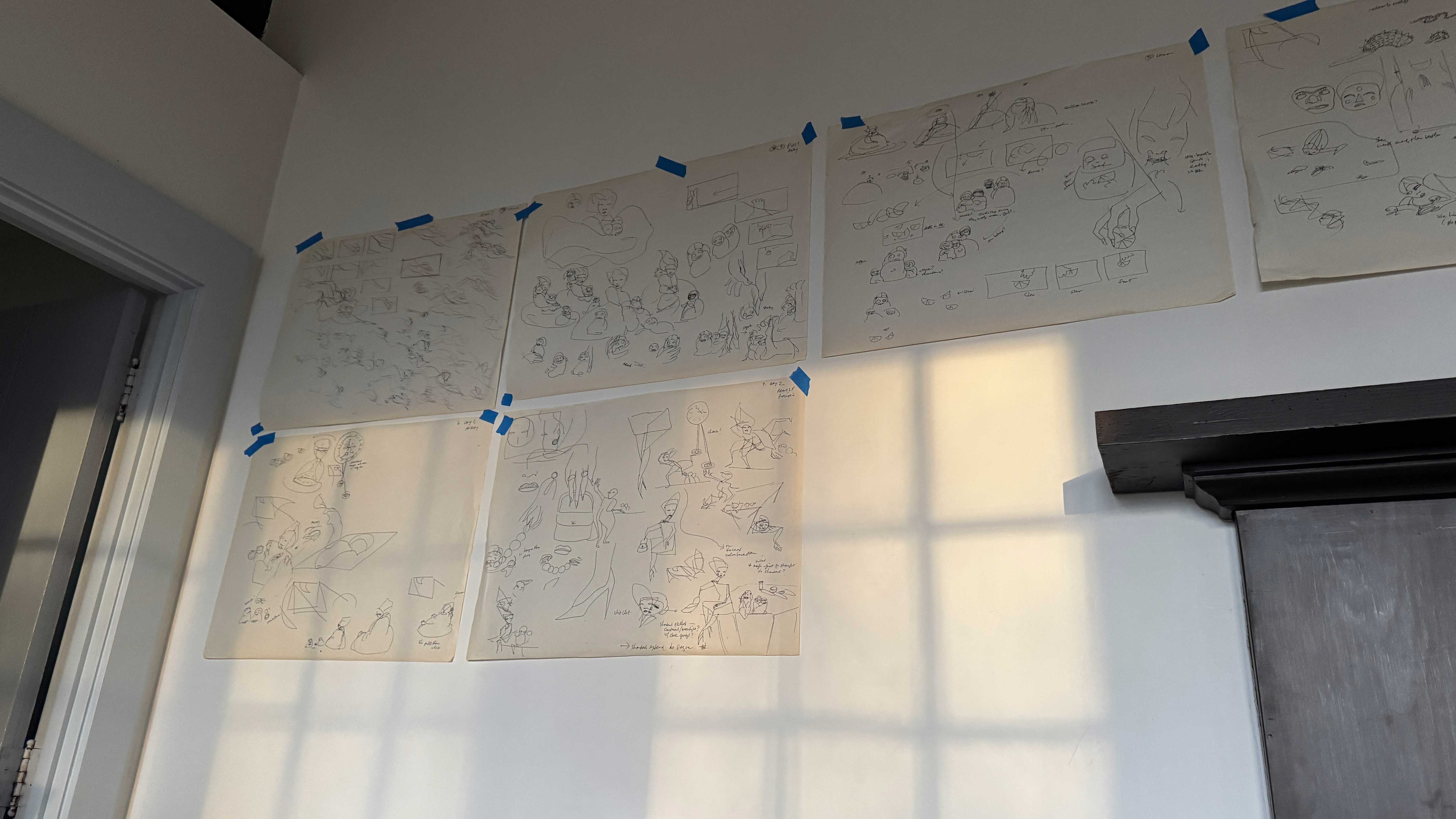
Back to work:
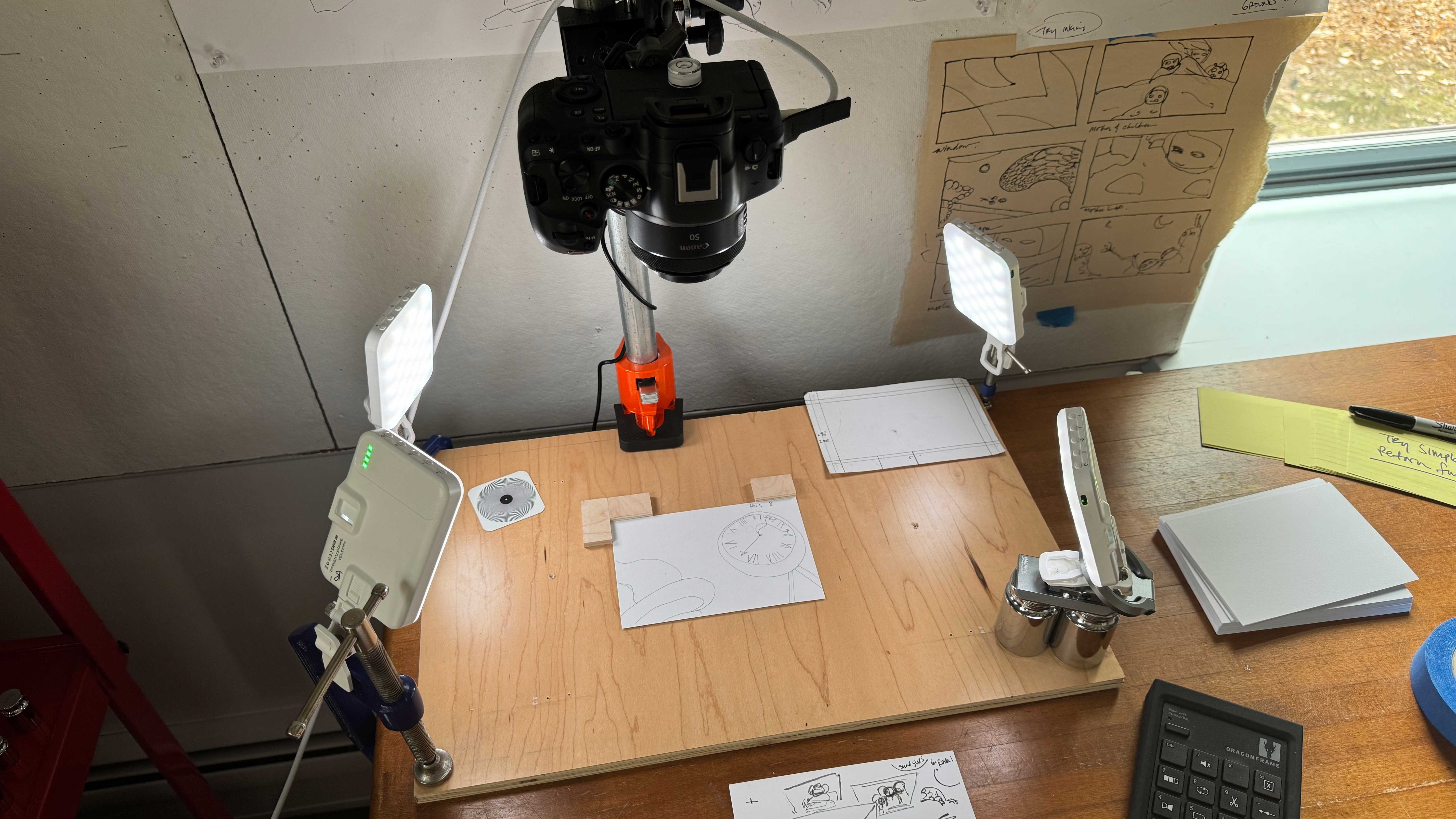
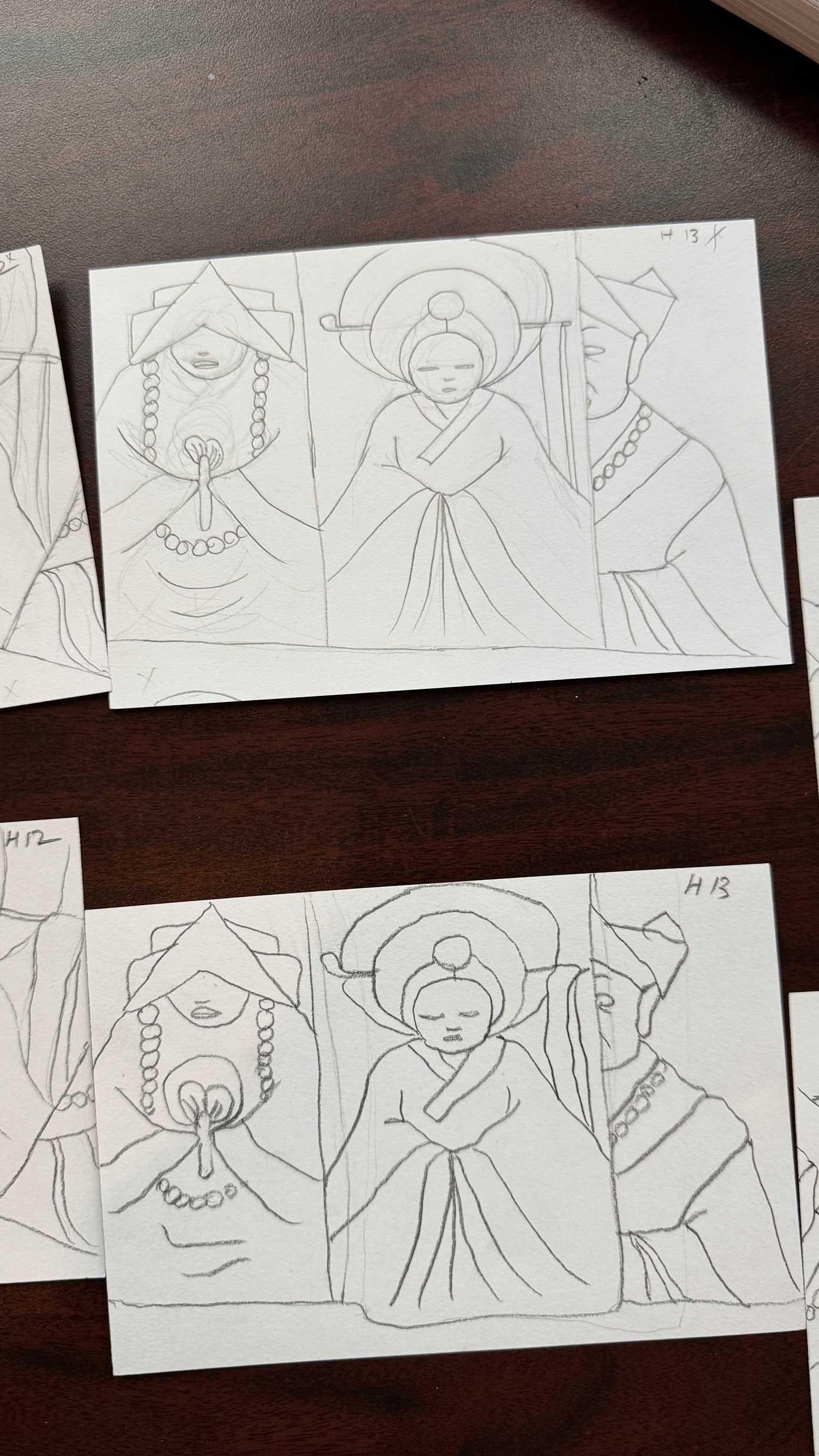
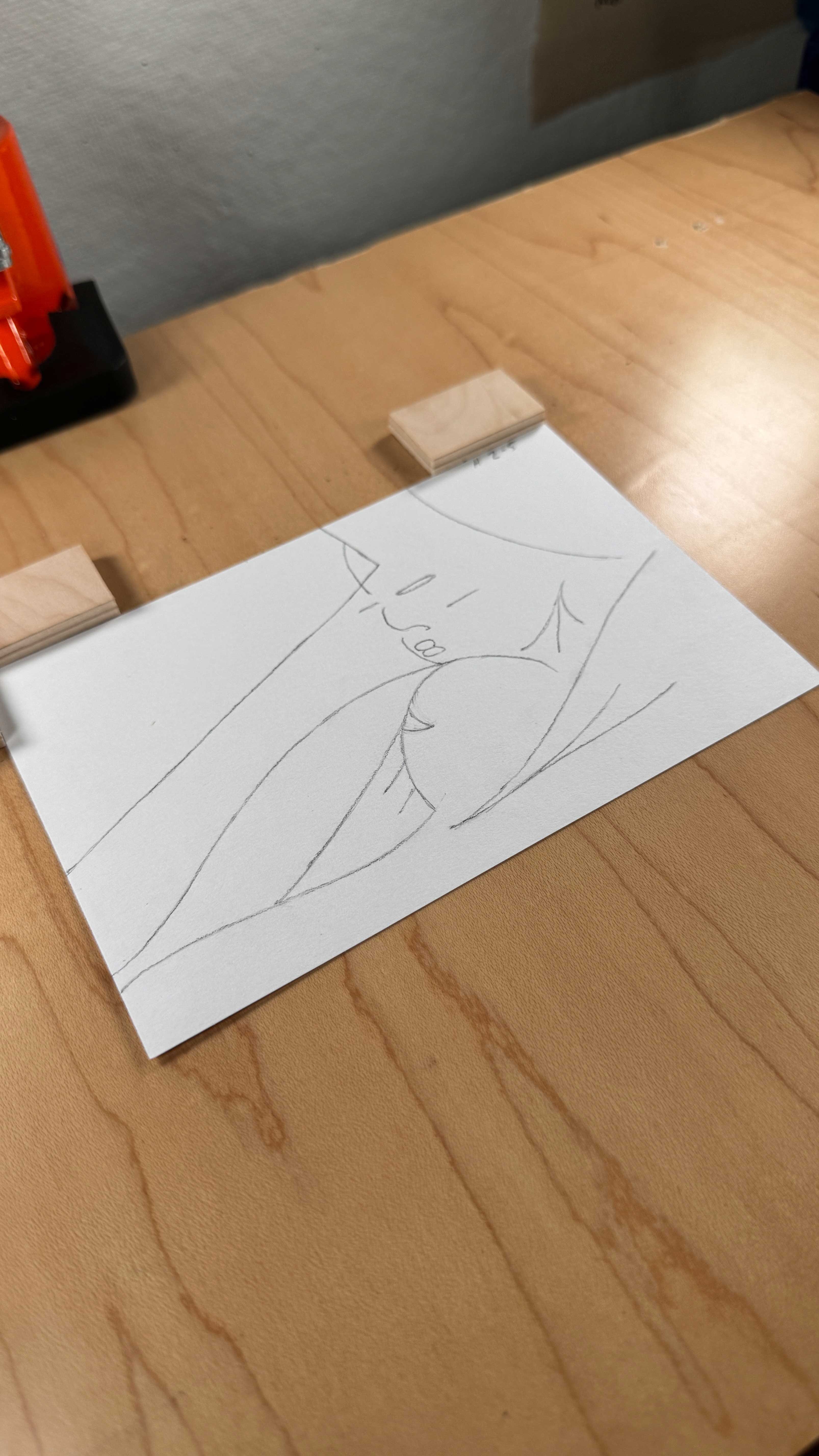
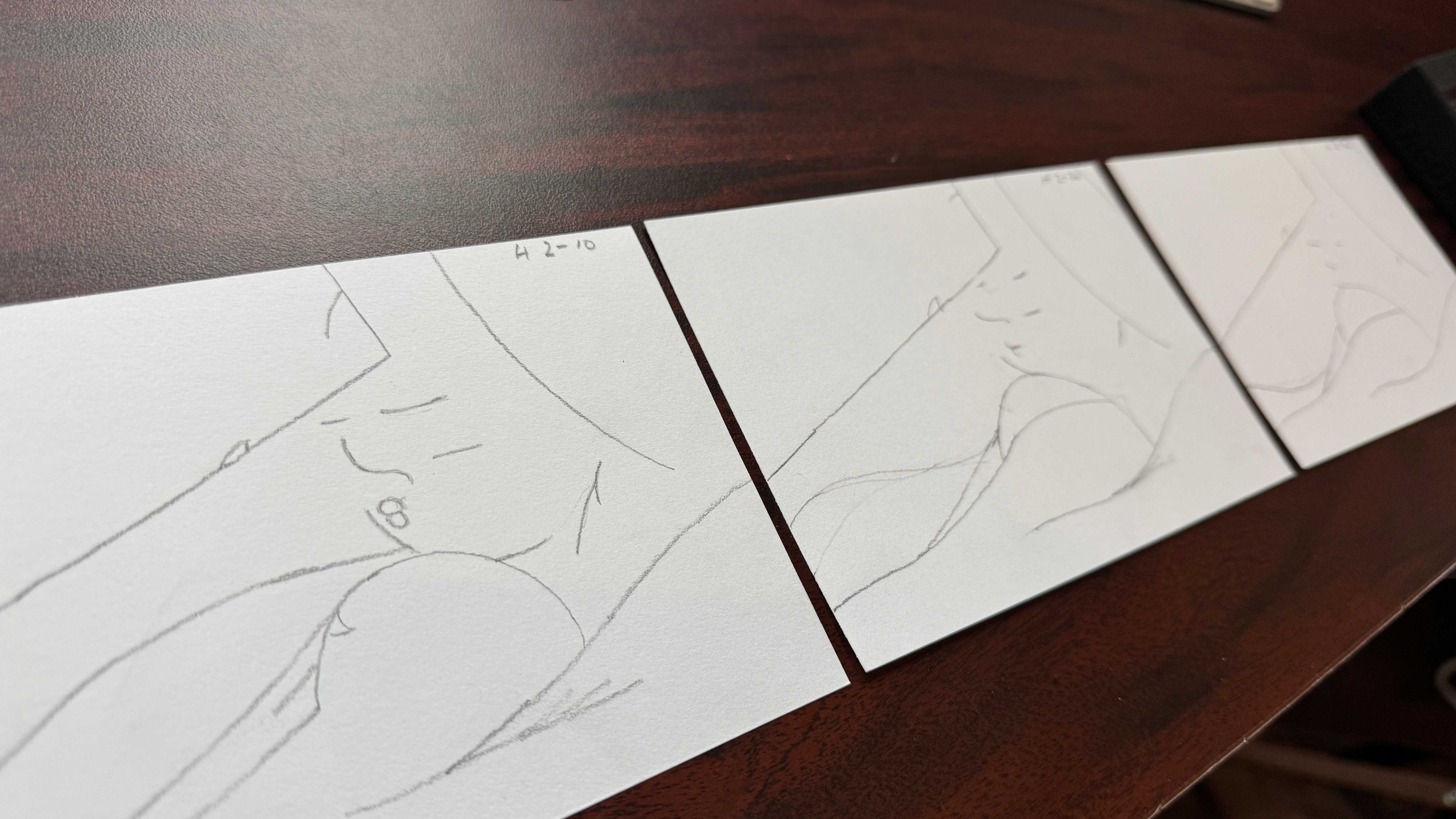
Quick and dirty compositing:
At MacDowell, I focused on defragmenting Vespertine. I reviewed sequences I’d animated out of order, calibrated process, and began sequentially re-establishing the film. More on this in the next issue.
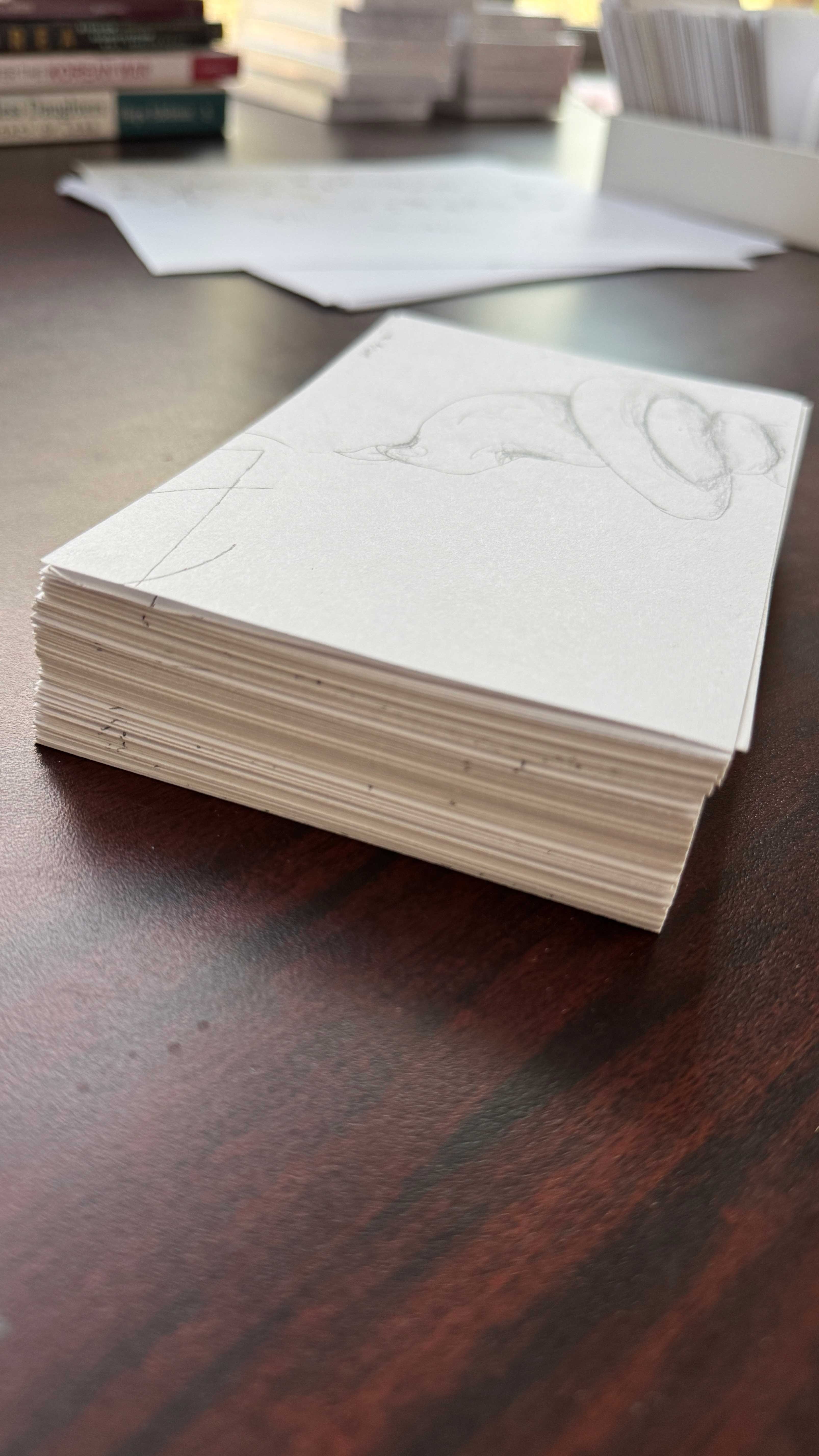
Experimenting with texture:
I made 148 new drawings (about 12s at 12fps) by the end of my residency, excluding redraws.
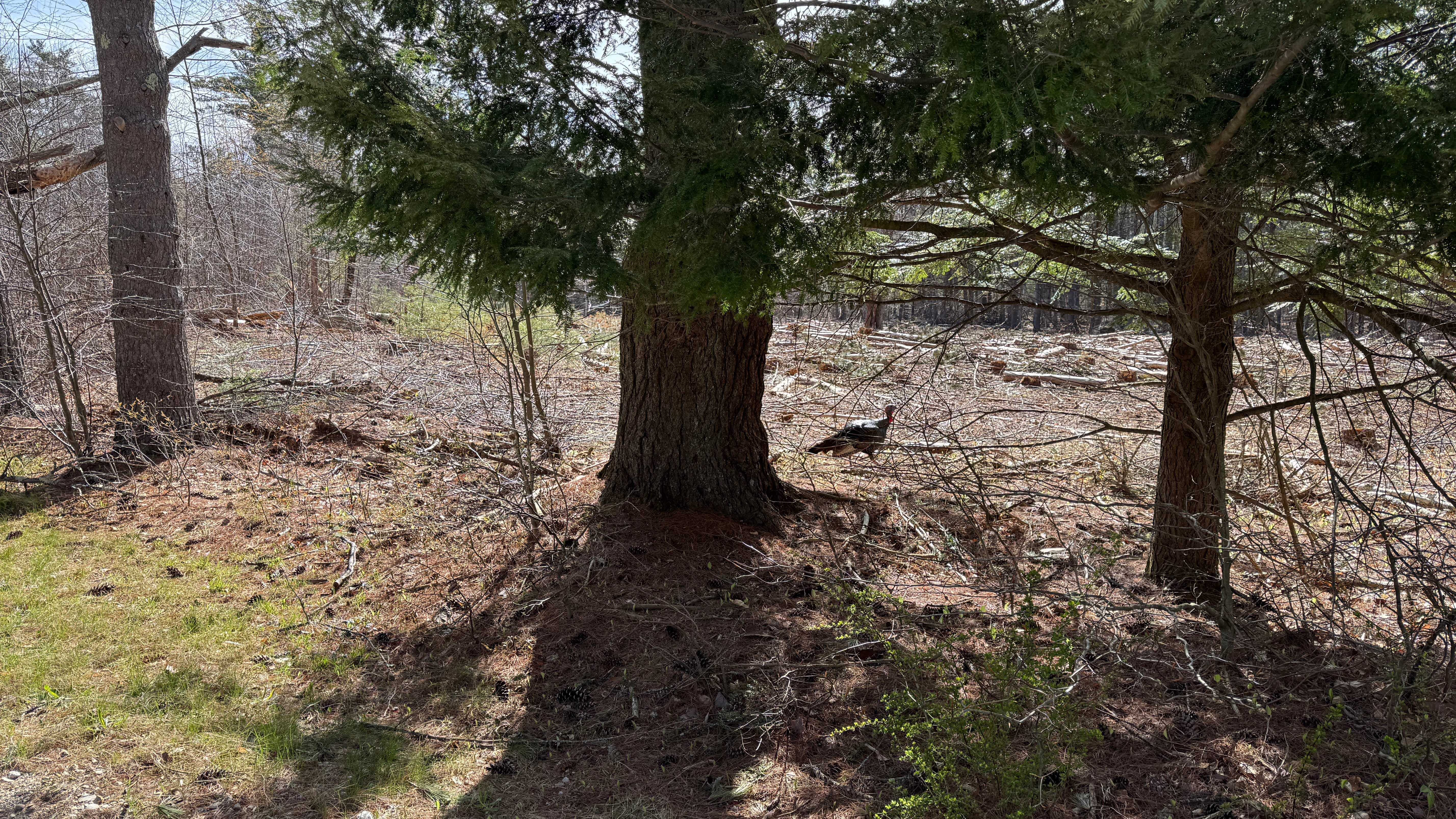
~3pm · Break, walk with wild turkeys:
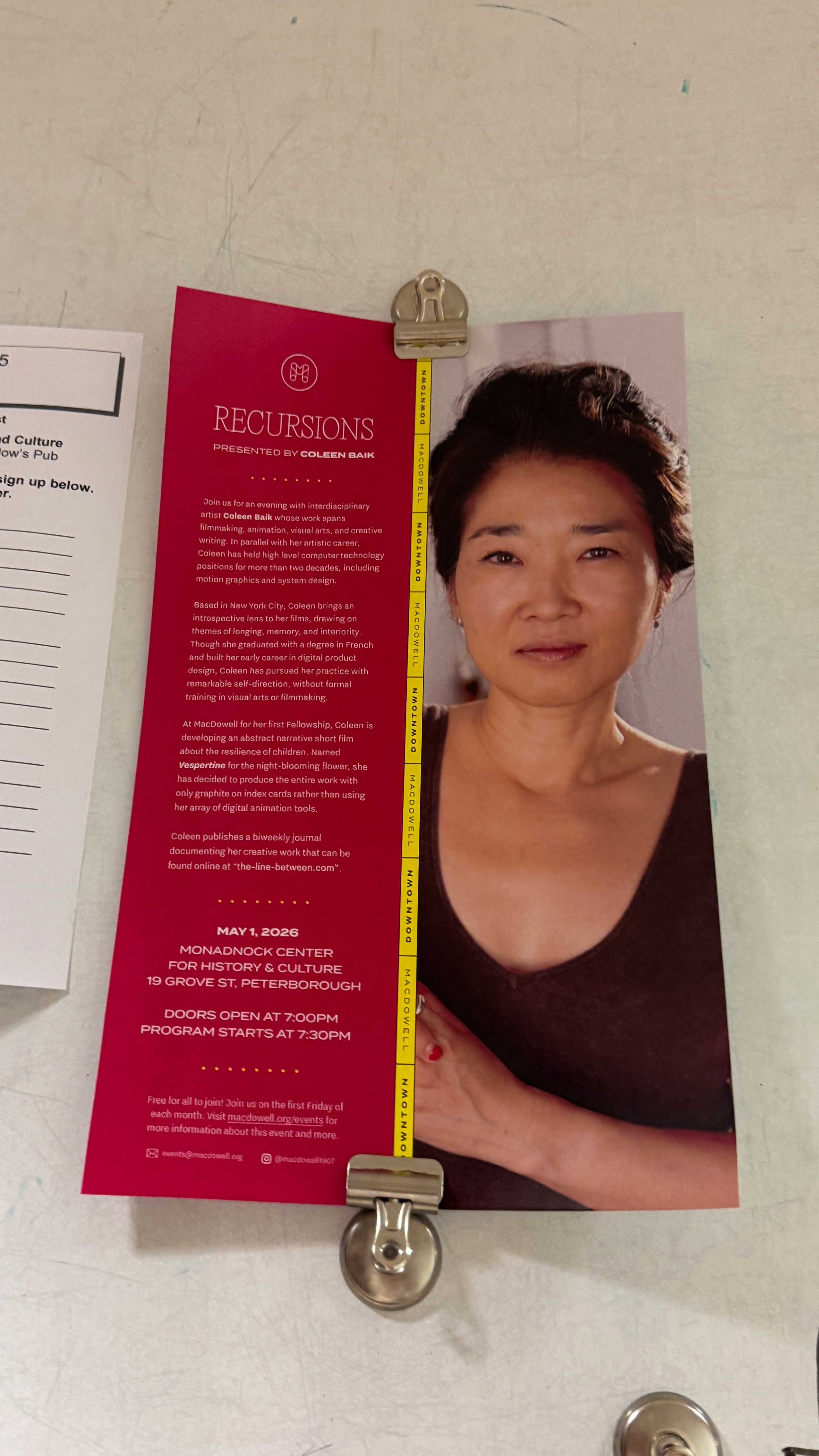
3:30pm · Back to it. If I felt tapped out on the film, or if it needed space, I switched to working on my MacDowell Downtown presentation:
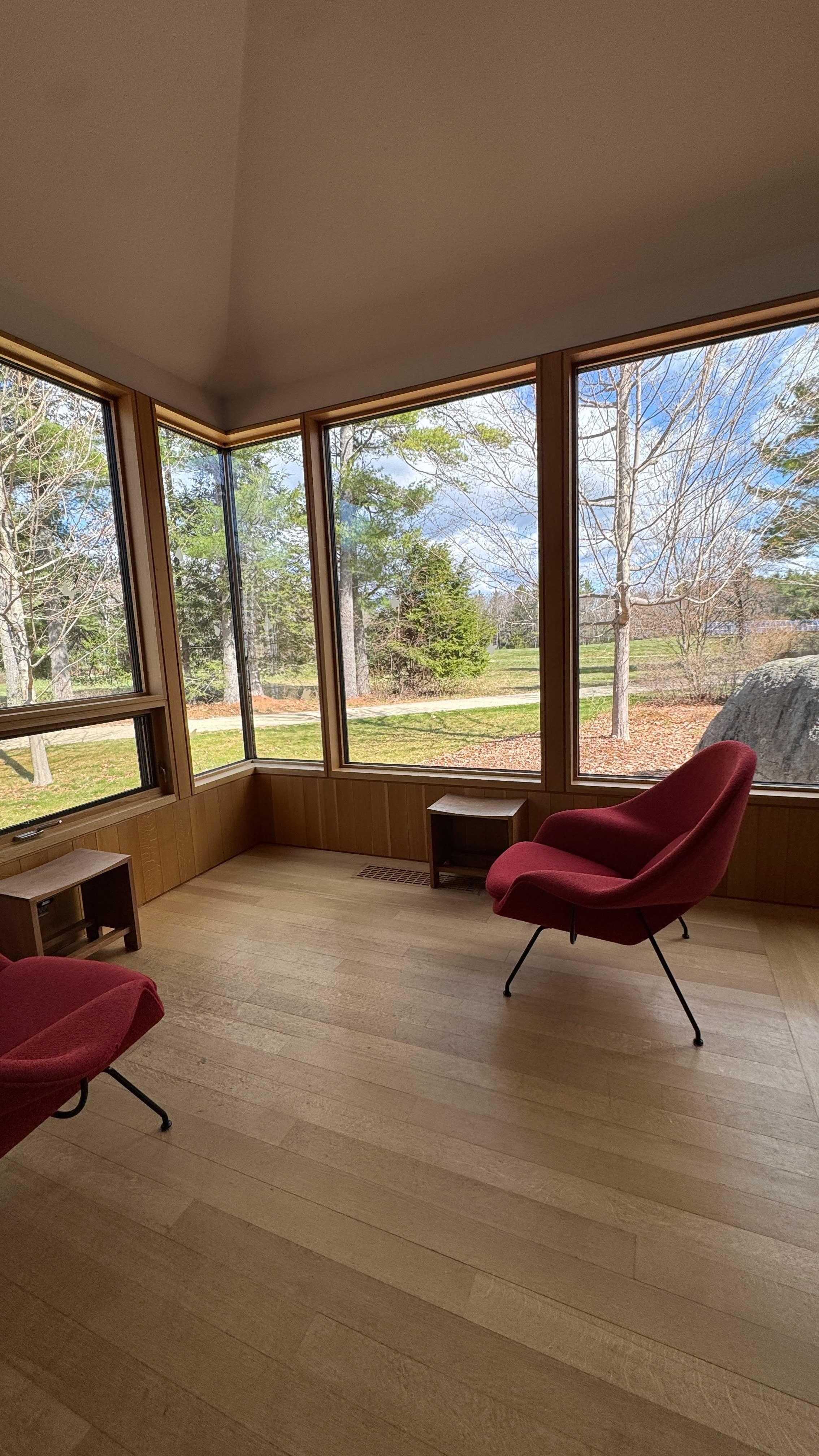
6pm · Library for wifi, sync data before dinner:
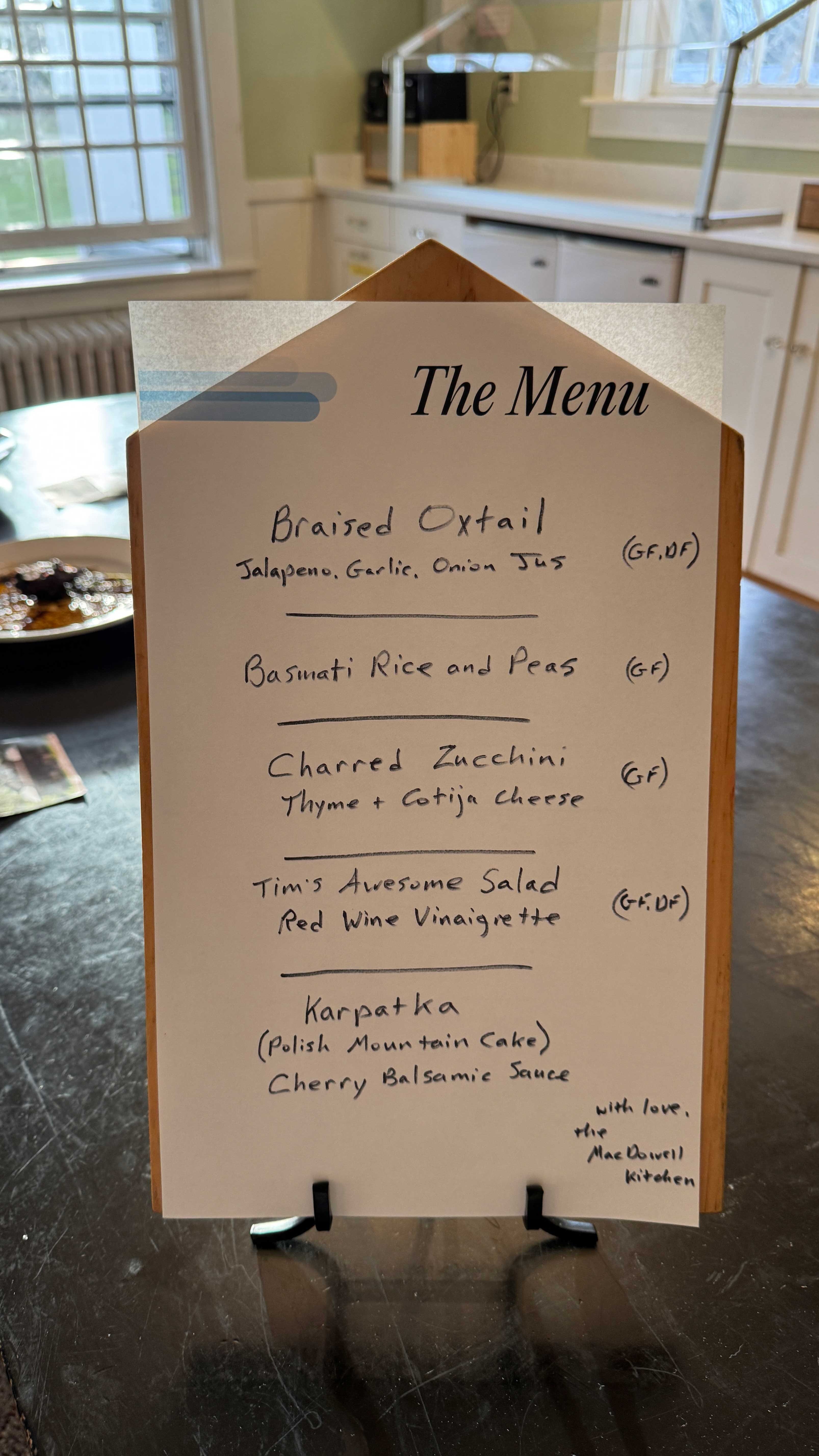
6:30pm · Dinner and conversations:
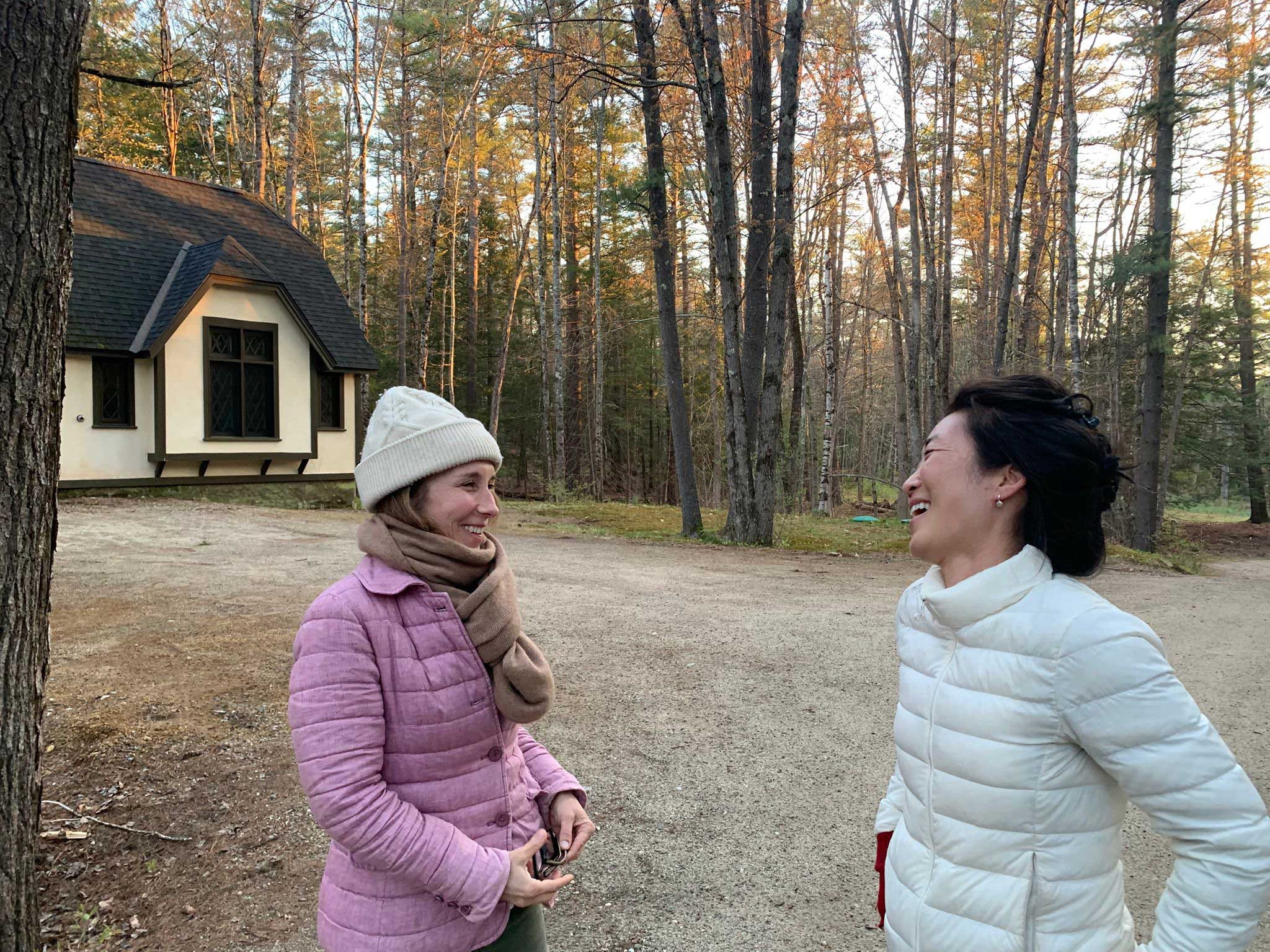
Postprandial walks became a ritual:
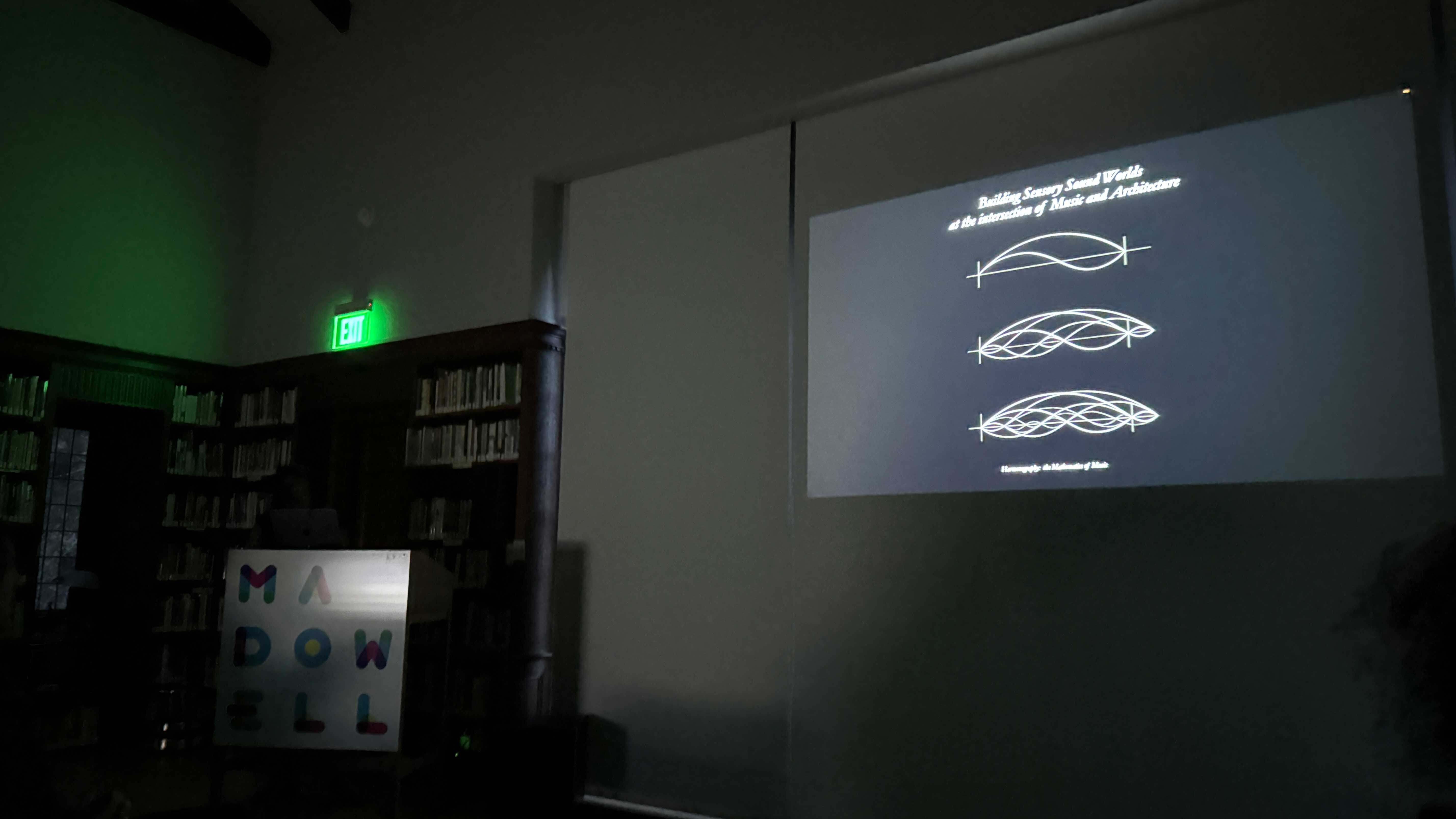
8pm · Fellows’ presentation(s):
10pm · Head back to the studio. If I had it in me, work for maybe another hour. Try to go to bed before midnight.
Terror, kindly
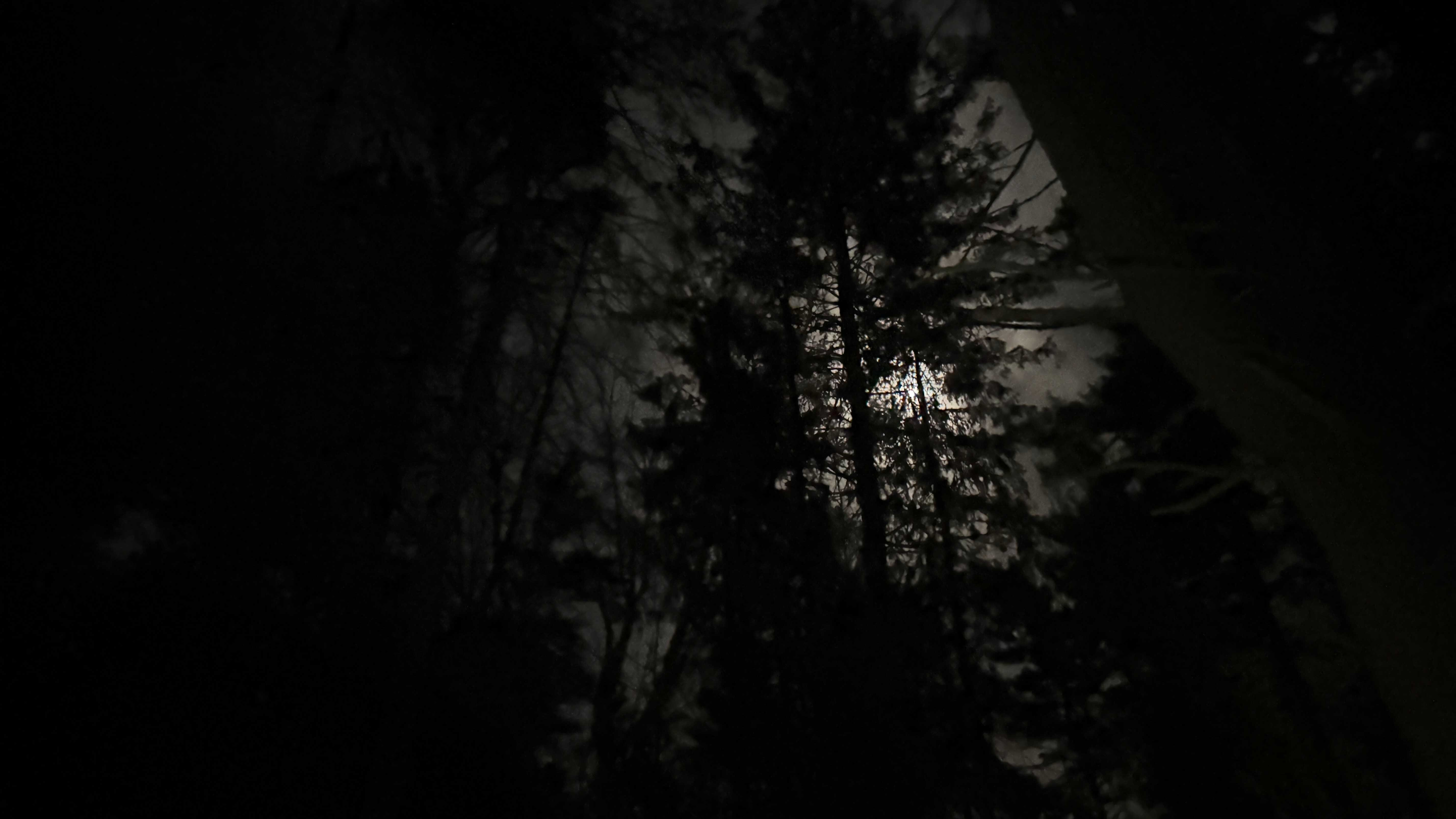
MacDowell studios are truly in the middle of the woods. There are no lights, and darkness can be intimidating. This is what returning home usually looked like:
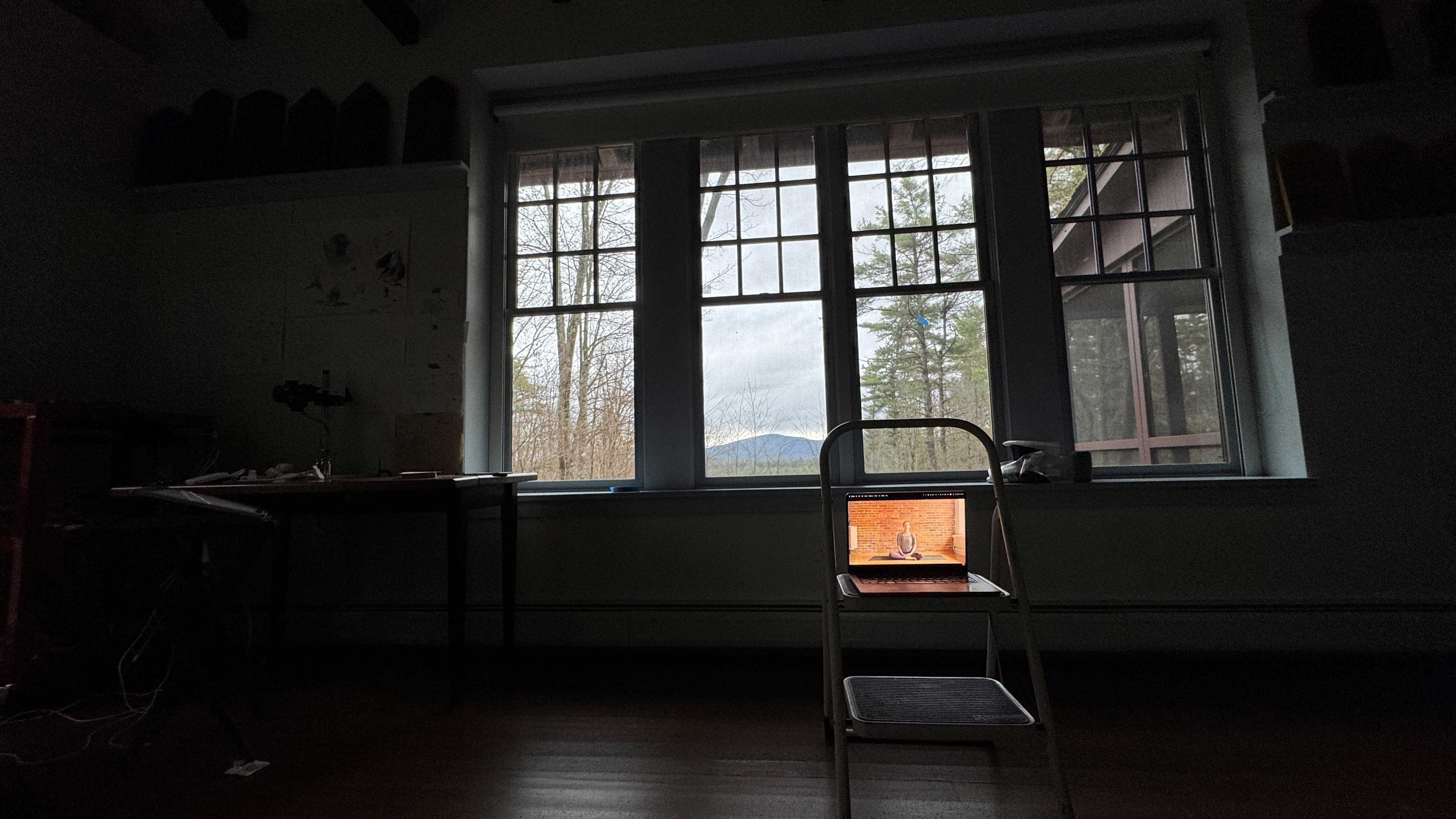
My penultimate night in the studio, I decided to leave the blinds up so that I could experience the sunrise. Tall windows were cinematic during the day, but at night they felt exposing and inscrutable.
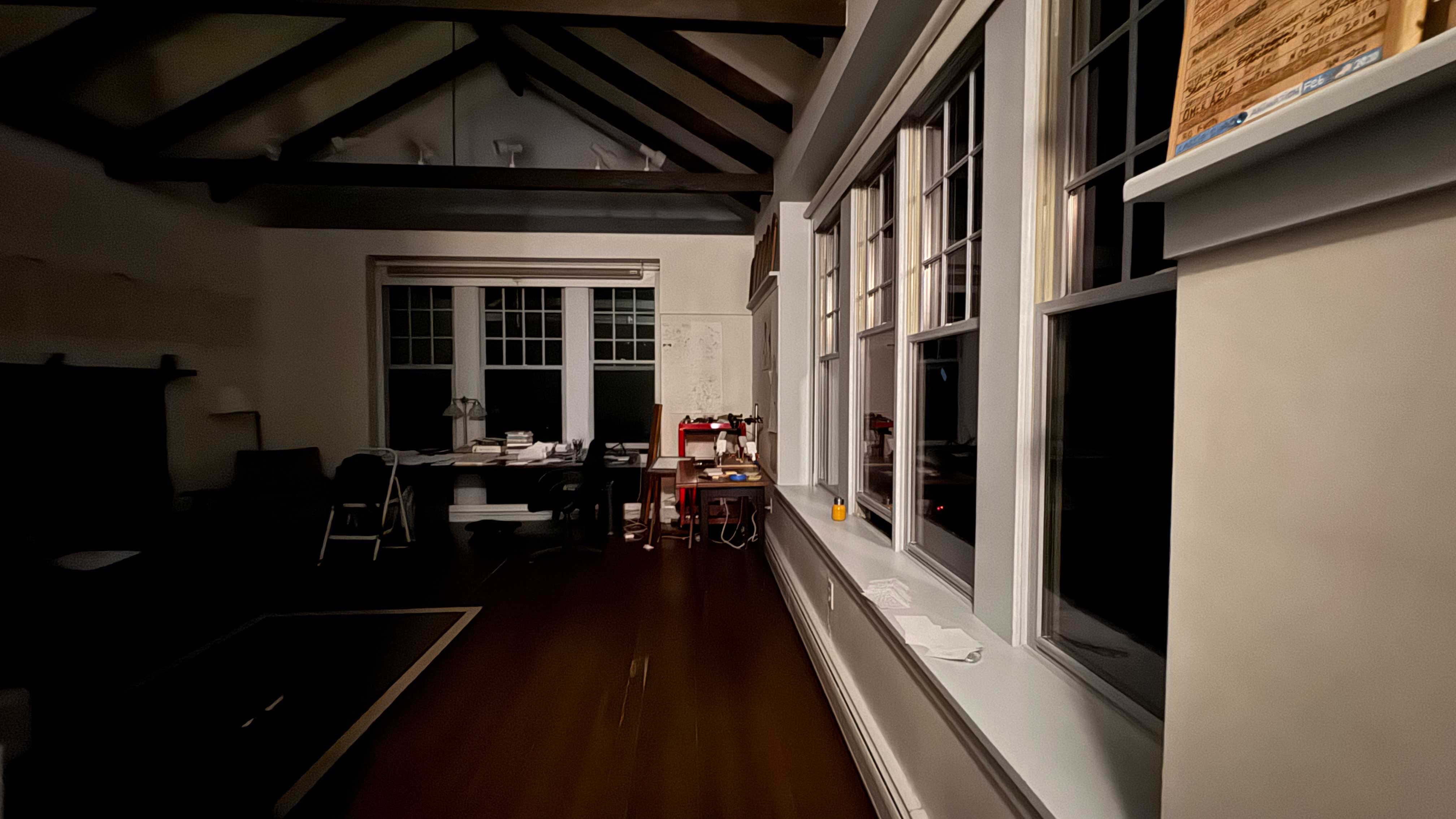
I couldn’t fall asleep. Around 3am, I finally got up and forced myself to approach the windows. With the studio lights off, I slowly became a part of the darkness instead of something watched by it. Peering into the black, I noticed that actually, it wasn’t so black. I could make out the lines of trees; familiar shapes from the day which were as kind as ever. I went back to bed then, and slept.
When I woke, there was the sun:
Being at MacDowell was transformative.
I never thought I could belong with people of such immense beauty and ideas. The Fellows made me see so many things for the first time, and I was perpetually in awe. It was astonishing to have access to exceptional artists across so many different disciplines. By the time I left, I’d shared meals with an architect, composers, vocalists, a translator of Rumi, a tap dancer, poets, novelists, non-fiction writers, and an expert on dog behavior (though I believe she’s writing about something else at this residency). Topics included comets, impossible music, Anne Carson, The West Wing, caregiving, dreams, the deaths of fathers, and the decimation of homelands.
I was able to permit myself to work without worry. I was able to appreciate the other Fellows with a luxury of spaciousness, and thrilled at the realization that excellence is bigger, and grander, than I’d believed.
Leaving a circle of protection is terrifying. Leaving a village is heartbreaking. Obligations, tensions, deadlines encroach from the outside with increasing aggression. But it’s powerful to know that there exists an accessible stillness within. I’ll be taking that with me.
But my mark, I leave behind4:
And nothing else, I hope:
Goodbye, moon!
Goodbye, Mixter!
Goodbye, MacDowell—
Until next time.
I recommend a minimum of four weeks for a MacDowell residency. Founder Marian MacDowell famously said that it takes a week to settle. There’s a surprising amount of wind-down as well as wind-back-up as you reenter the outside world, too. So, to get full two weeks of work in, you kind of want four. Many artists stay six (I think this is the sweet spot), some as long as eight.
If you want to dive in further, their annual reports provide fascinating insight into MacDowell as an organization, touching on things like their admissions process, financial planning, and outreach.
My first day was a wash. I arrived mid-afternoon, received a tour, returned my rental, finally found a ride back to MacDowell, ate dinner, and crashed. (I think this was the only night I missed Fellows’ presentations.) The next day: a tour of the library, unpacking, setting up the studio, back and forth with maintenance and housekeeping for miscellanies. Really, I began work on Day 3. One day later that week went to the Downtown presentation and related things like tech check, commutes, errands, and prep. Another, I hosted an open studio. That left (not much) time to pack, clean, sign my tombstone, pick up the rental car back to NYC…generally wrap things up. Somehow I was able to find time to explore the grounds, the pond, visit the Oracle (more on this tradition), dive into Fellows’ work in the library. Oh, and I had my photo shoot. The fourteenth day, I vacated my studio around 10am.
All Fellows sign a “tombstone” in their studio before departure. Mixter seems increasingly geared toward supporting the needs of filmmakers, but prior residents include a lot of writers. Notably: R.O. Kwon, and the Pulitzer Prize-winning author Hernan Diaz, who is now the Chair of MacDowell’s Board of Directors.
Fantastic issue! It's really cool to get a thorough inside view of something like this -- a very different world than we're used to. Glad it went well and was so energizing!
Vividly detailed! Thanks for taking us along on the ride.