
121. Slow
How we make room and have fun. Refilling the well, ergonomics, keyframes, characters, community. First draft fiction, in closing.

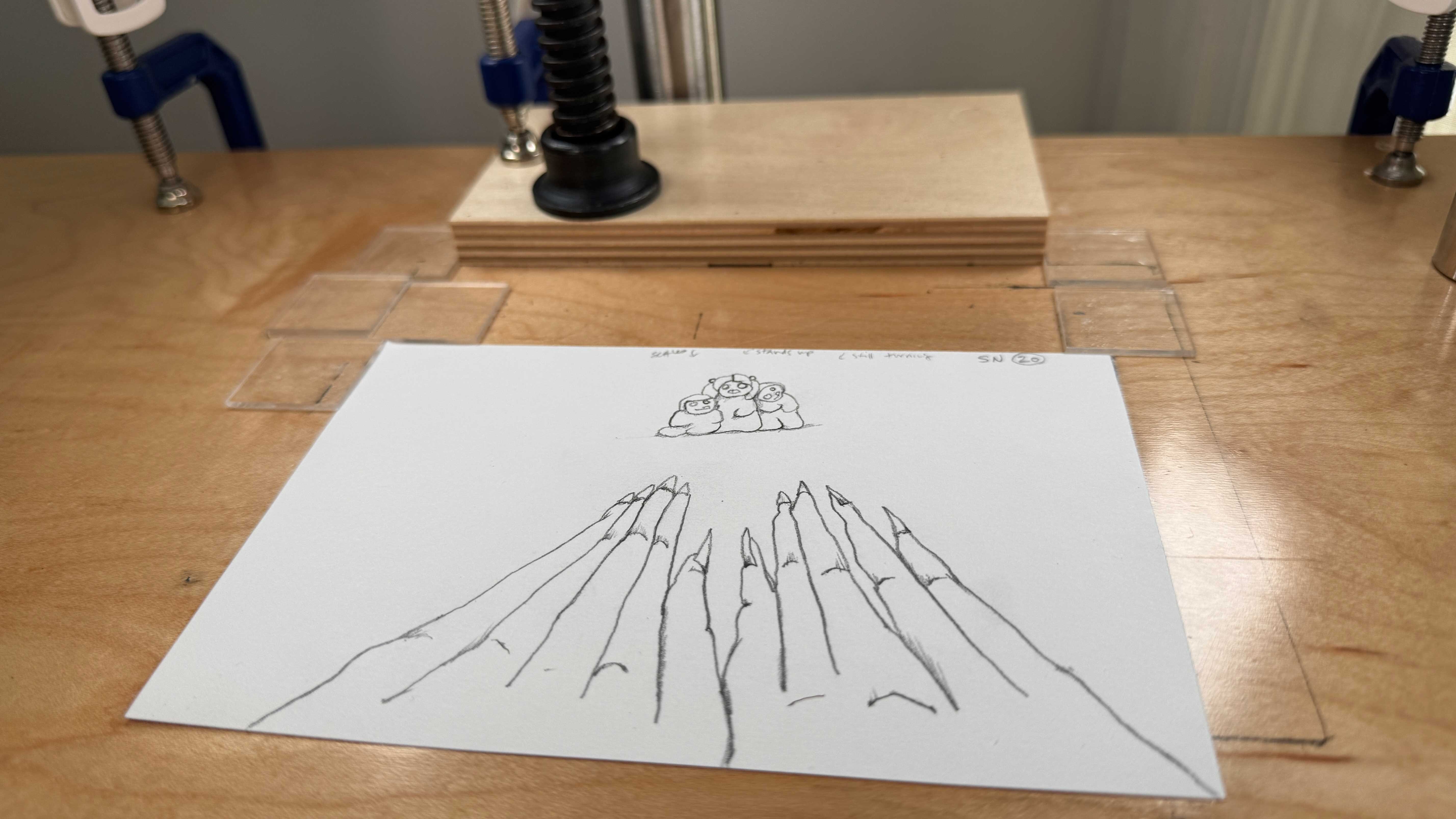
It’s fun to talk about making art when it’s goin’ good; not so much when it’s not.
But it’s all a part of the same picture.
At physical therapy the other day, my therapist said, “half the battle is figuring out the esoterics of an injury. The path to healing is almost never obvious. “ He added that finding the balance between necessary movement and the overuse that caused injury in first place is challenging to home into because it’s a moving target. “If you avoid all movement because it hurts, your wrist will only become more rigid, more immobile. If you push it too much, you might hurt yourself further. The best thing to do,” he said, “is to hone your sensibility and instinct, to learn to listen to the body, so that you can load progressively while adapting constantly.”
Lately I find myself drawing a lot of parallels between health valleys and creative valleys; the inexorable cycle of dips and crests with both; how, with all the shifting variables, there’s no hard-and-fast formula for preventing or escaping either kind.
Valleys are hard to talk about because, not to point out the obvious, but they’re downers, potentially also boring. There’s also a fear of feeding them by talking or thinking about them too much, etc.
This one felt quite bad, and long. It snuck up on me, like most valleys, do—the ground grading downward slowly into dark, barren, and inhospitable, until suddenly, there you are.
Valleys always look familiar, but the way out is never the same.
In the Studio
tl:dr; I’m moving again.
The past few weeks I approached my malaise from many different angles. I didn’t work for a few days. I consumed with more intention, and for pure pleasure. I got out of my home studio (and my head) to work alongside other artists. I had other animators watch how I work and provide feedback on technique/ergonomics. I asked for help.
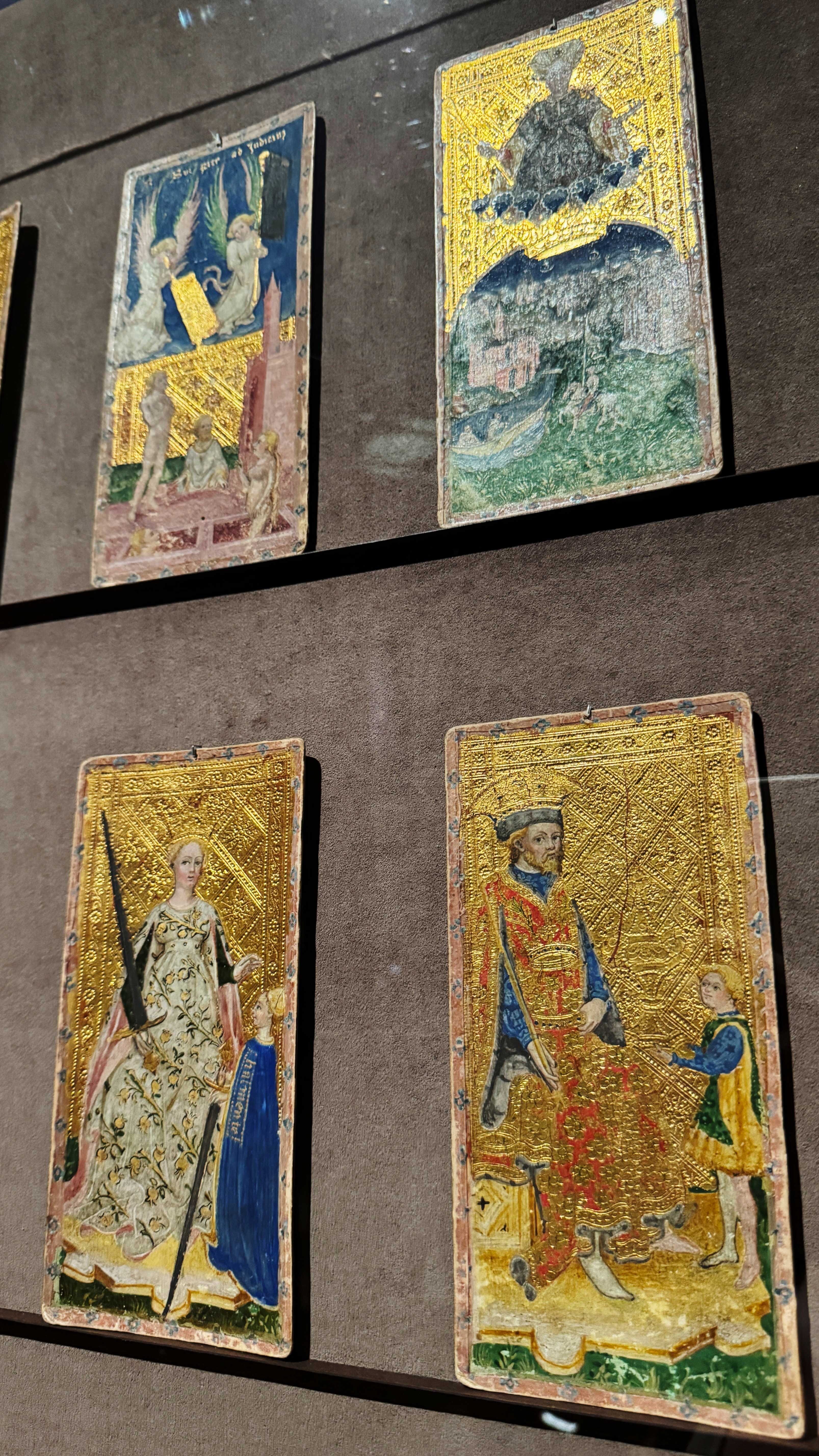
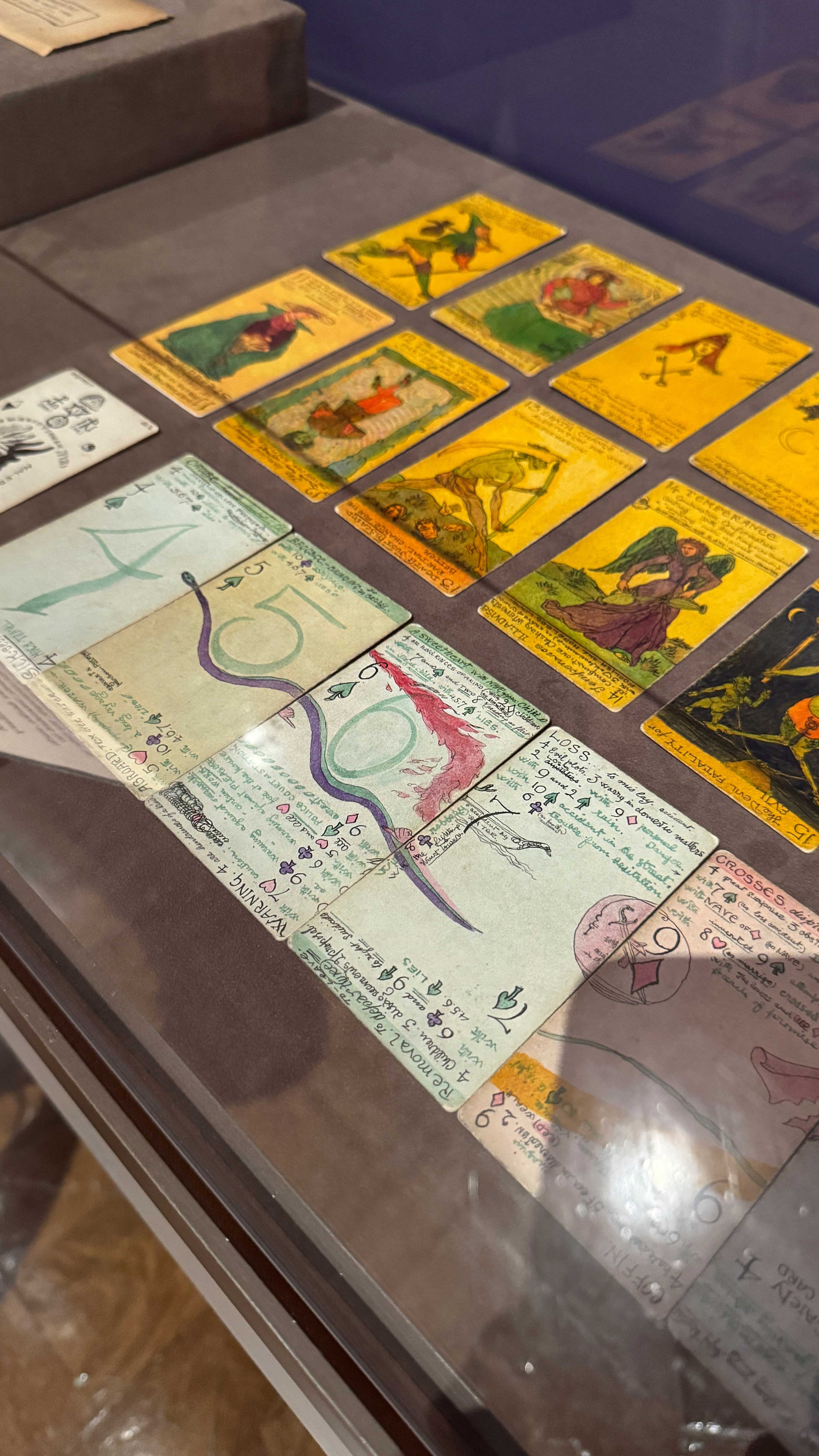
On the consumption front, when I scrape the bottom of the barrel, am dysregulated, or just need a break, I go to the museum. There’s little else that refills and inspires me as predictably and consistently as a beautiful exhibit.
Tarot! is one currently on view at The Morgan Library in midtown Manhattan. The museum was built in the early 1900s and started out as the private library of J.P. Morgan (yes of the bank). In all my years of living in NYC I can’t believe I’ve never been before.
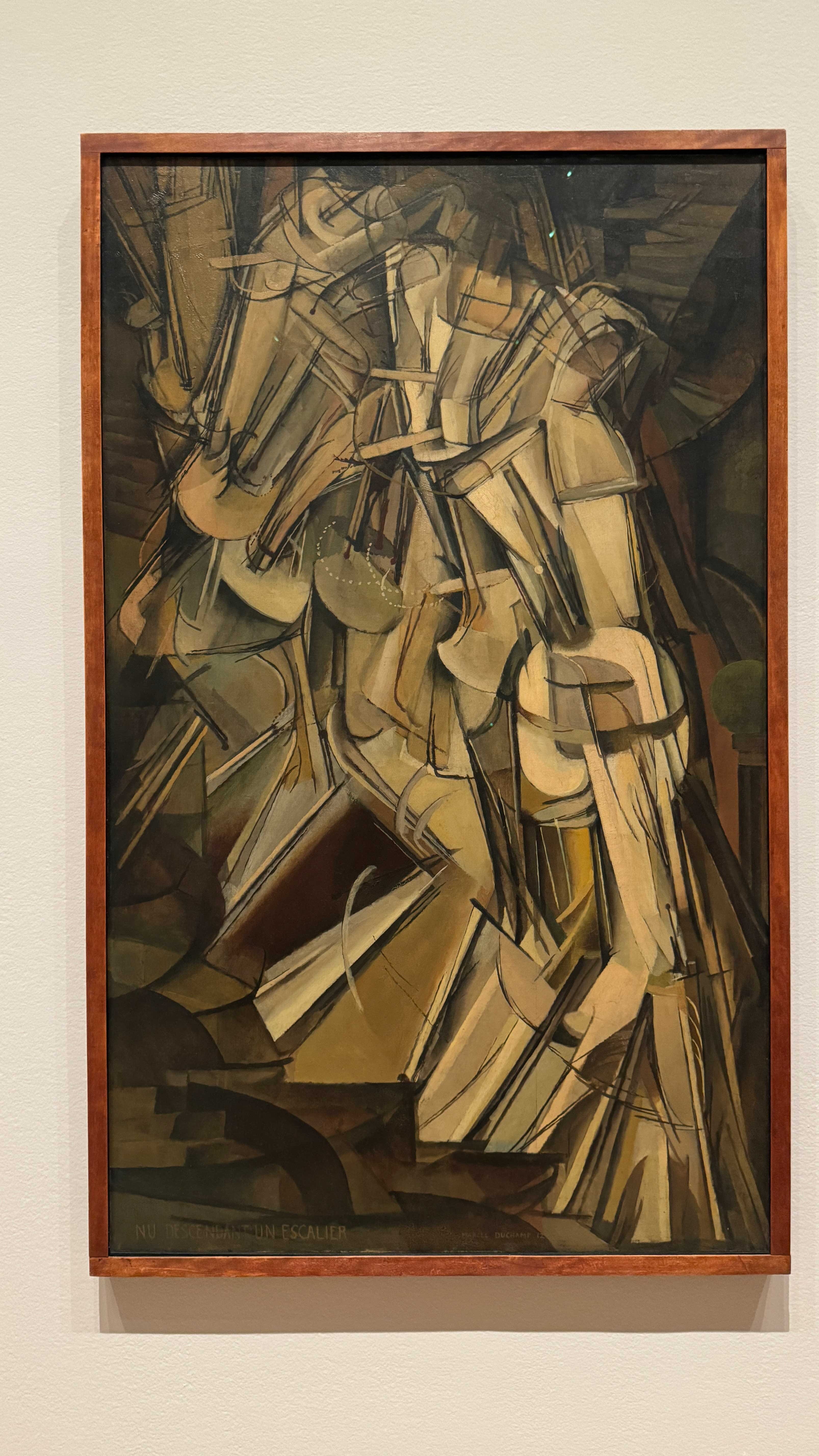
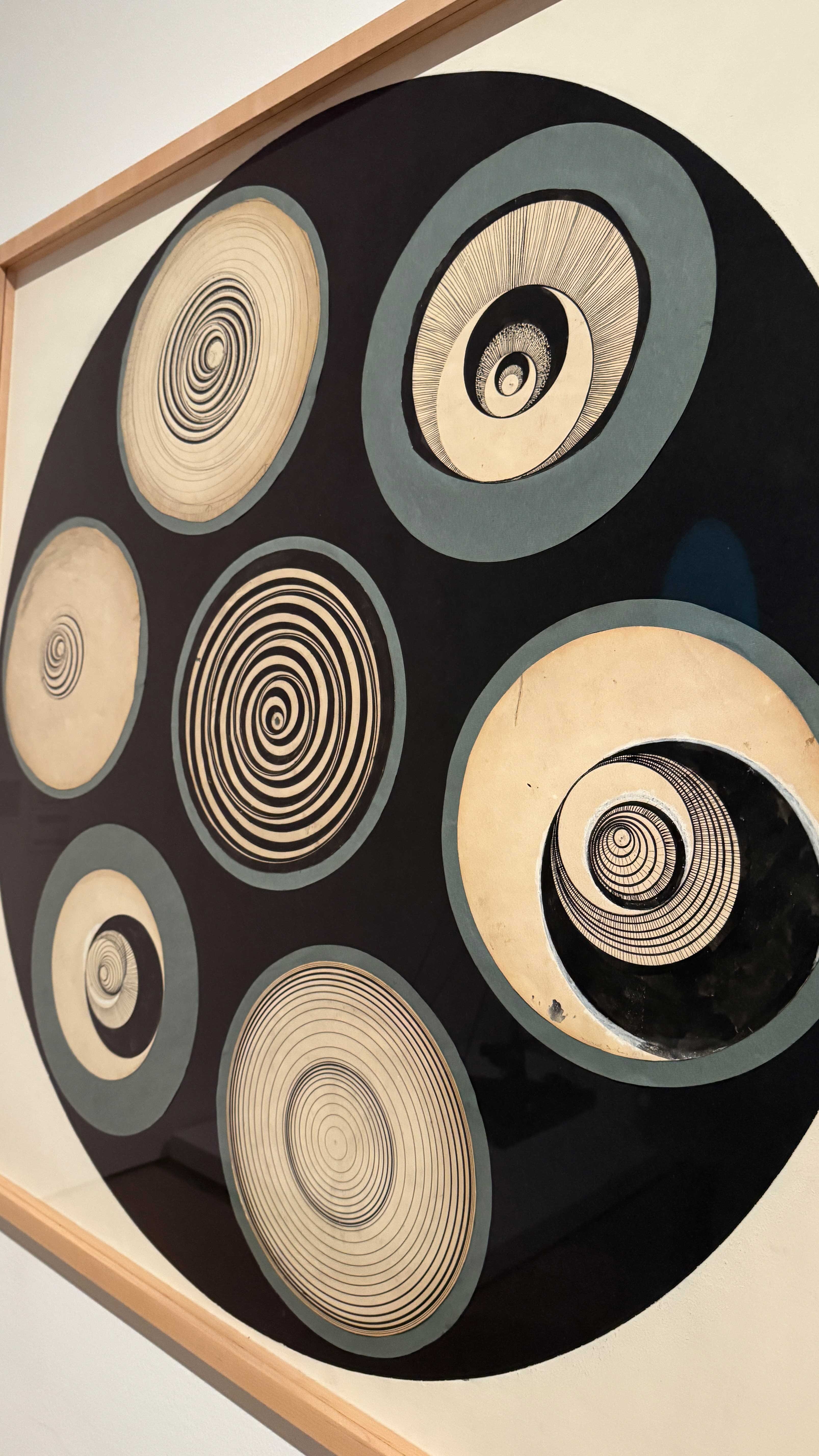
I also went to the retrospective on DuChamp at MOMA (closing next month), and enjoyed spending hours in this gallery as well:
Next, I had another crit session with fellow studio mate Amanda. This time instead of reviewing output, I asked her to watch, and provide feedback, on how I work.
She immediately noticed that my elbow was not stabilized.
The kicker is that I already know to stabilize my elbow when drawing, and do usually stabilize my elbow when drawing. But for some reason, not while animating.
Secondly, she suggested I immobilize as many moving pieces as possible while I draw—the field guide, the index cards. “Let’s reduce things to fuss about.”
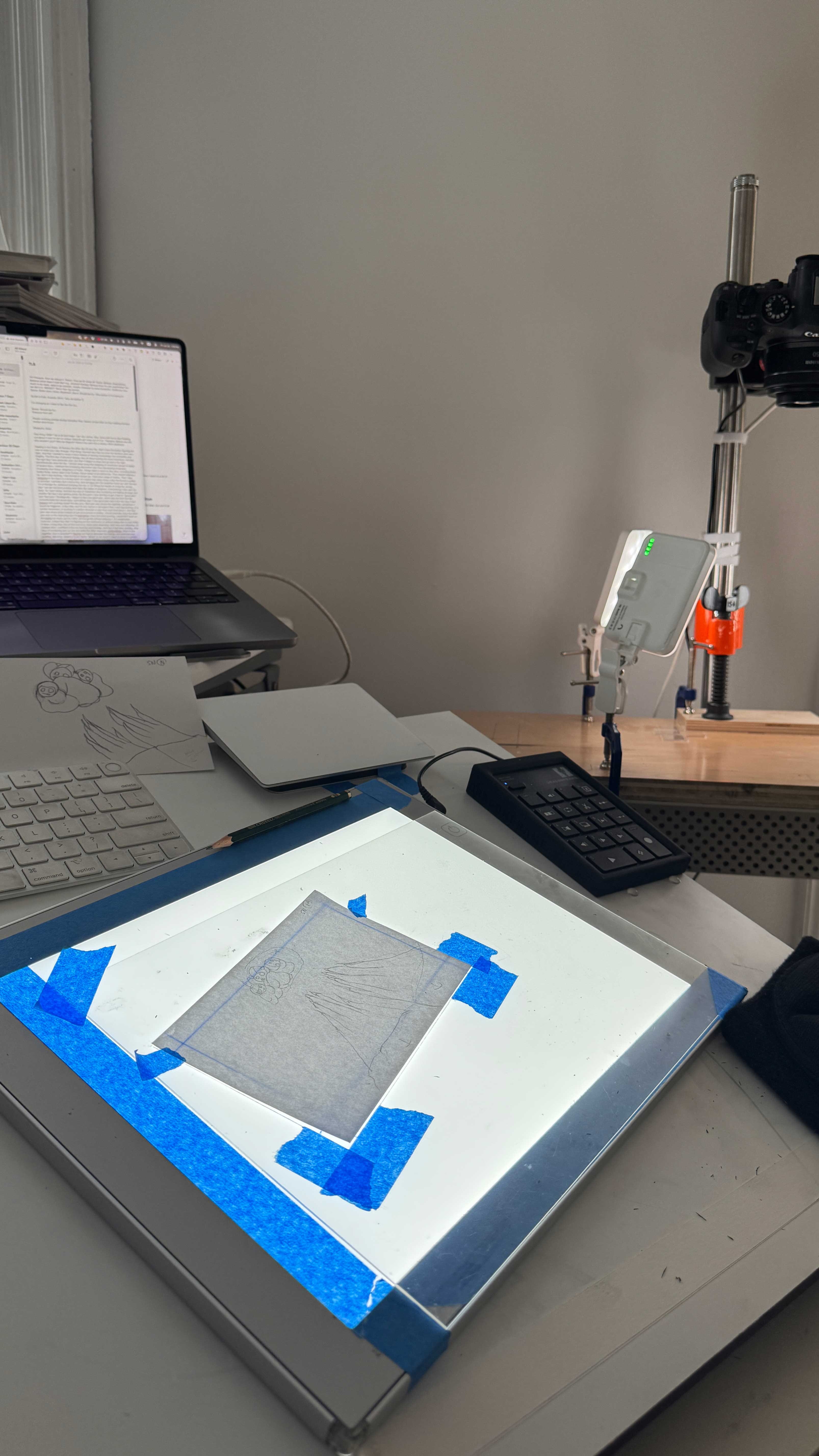
Again, so basic. So simple. So “small.”
To clarify, I’m not the only artist who uses paper size as the mode of register (as opposed to e.g., pegbars), but I hadn’t realized how much, at my skill level anyway, looseness (literally, figuratively) was getting in the way.
Comfort in posture, angle of drawing surface, ease of reach, all massively affect the quality and confidence of the line, especially when markmaking for hours on end. While I know all this, for whatever reason I had stopped manifesting or prioritizing or feeling it. I think this is a good lesson for me to question “givens” and habits when I’m struggling with flow.
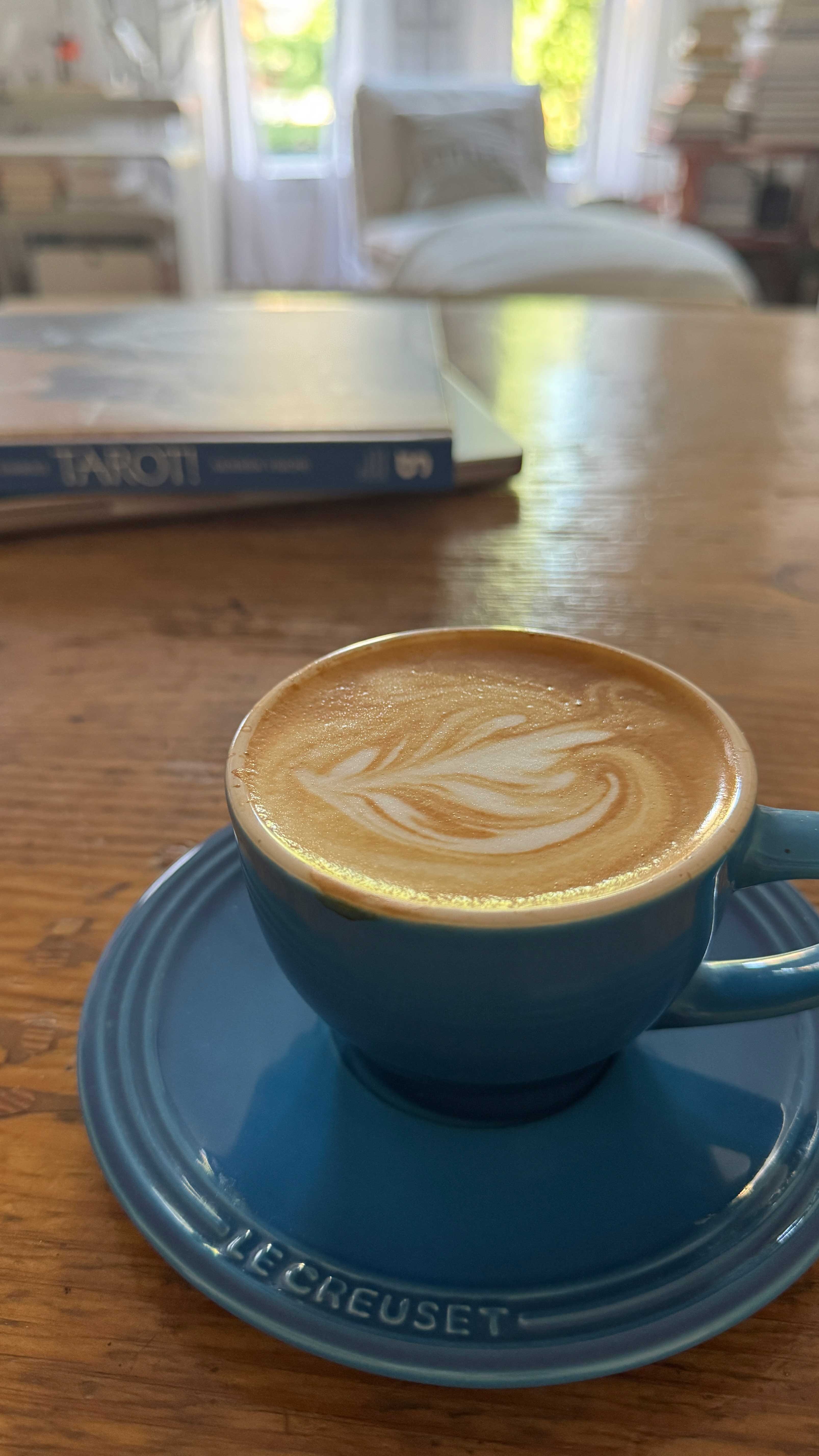
Next, I wondered if there was anything to note, or address, about my pace. Basically, if I was drawing and iterating too slowly, or “inefficiently.”
An artist in the studio remarked that she’d been working on a (granted, many-layered) drawing for five days. Amanda didn’t see an issue with my rate of work either, but added: “Going slow is also…kind of fun? Maybe lean into it.”1
Lastly, I had a back and forth with Anna Samo that made me face some uncomfortable possibilities around my malaise. Anna is a Guggenheim Fellow and a member of the Academy as well as one of the founders of Animation Speak/Easy here in NYC, and she’s been providing me with guidance and mentorship since last year. I’m always blown away, not only by how her mind works, but by how much access she gives me, and how proactive she’s been about my growth as an artist.
Anyway, this is what all transpired the past few weeks.
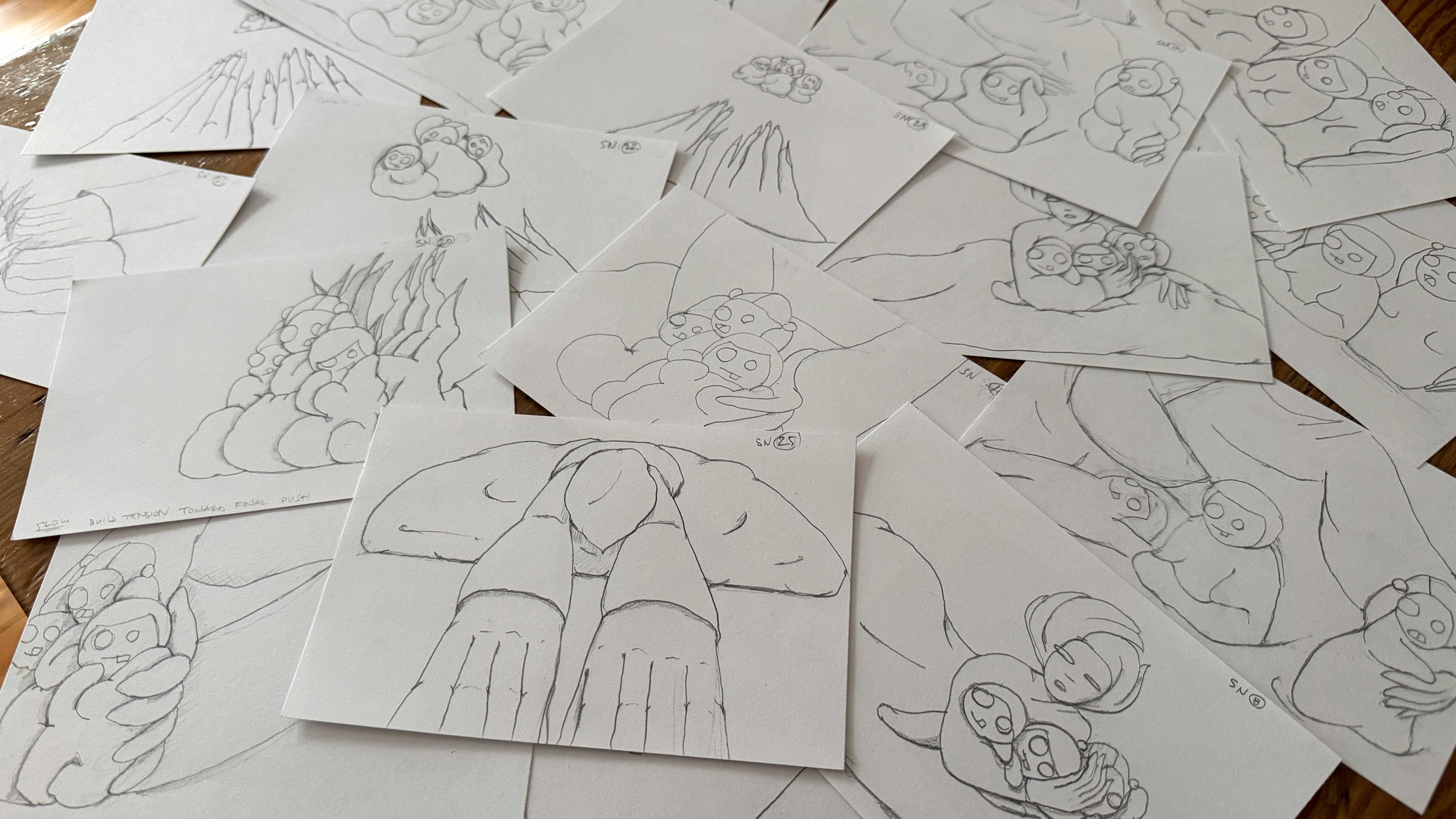
Creative practice can be so private, and so isolating. These conversations and forays out made me feel less alone.
Sometimes we need other people’s eyes to see what’s going on.
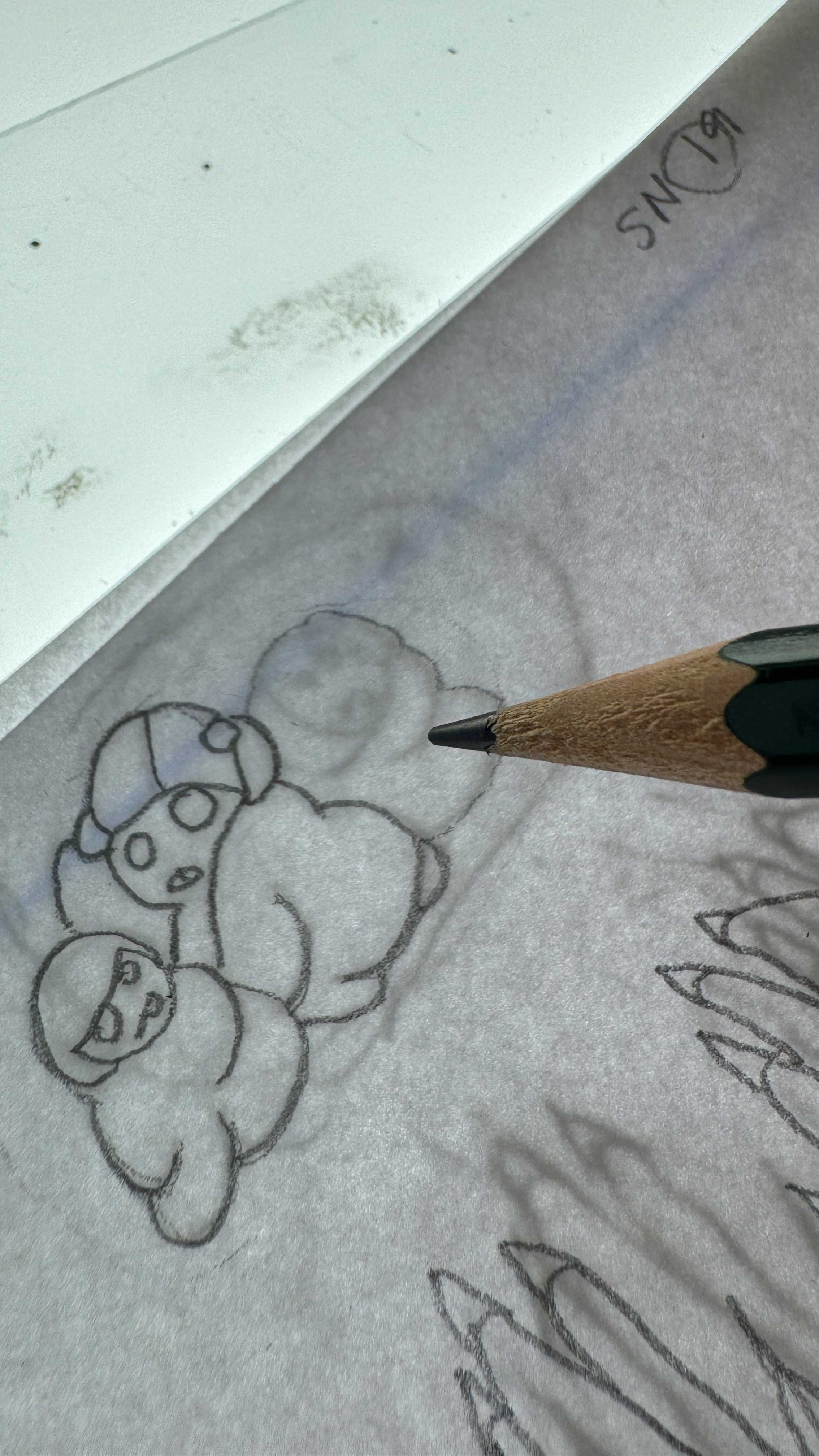
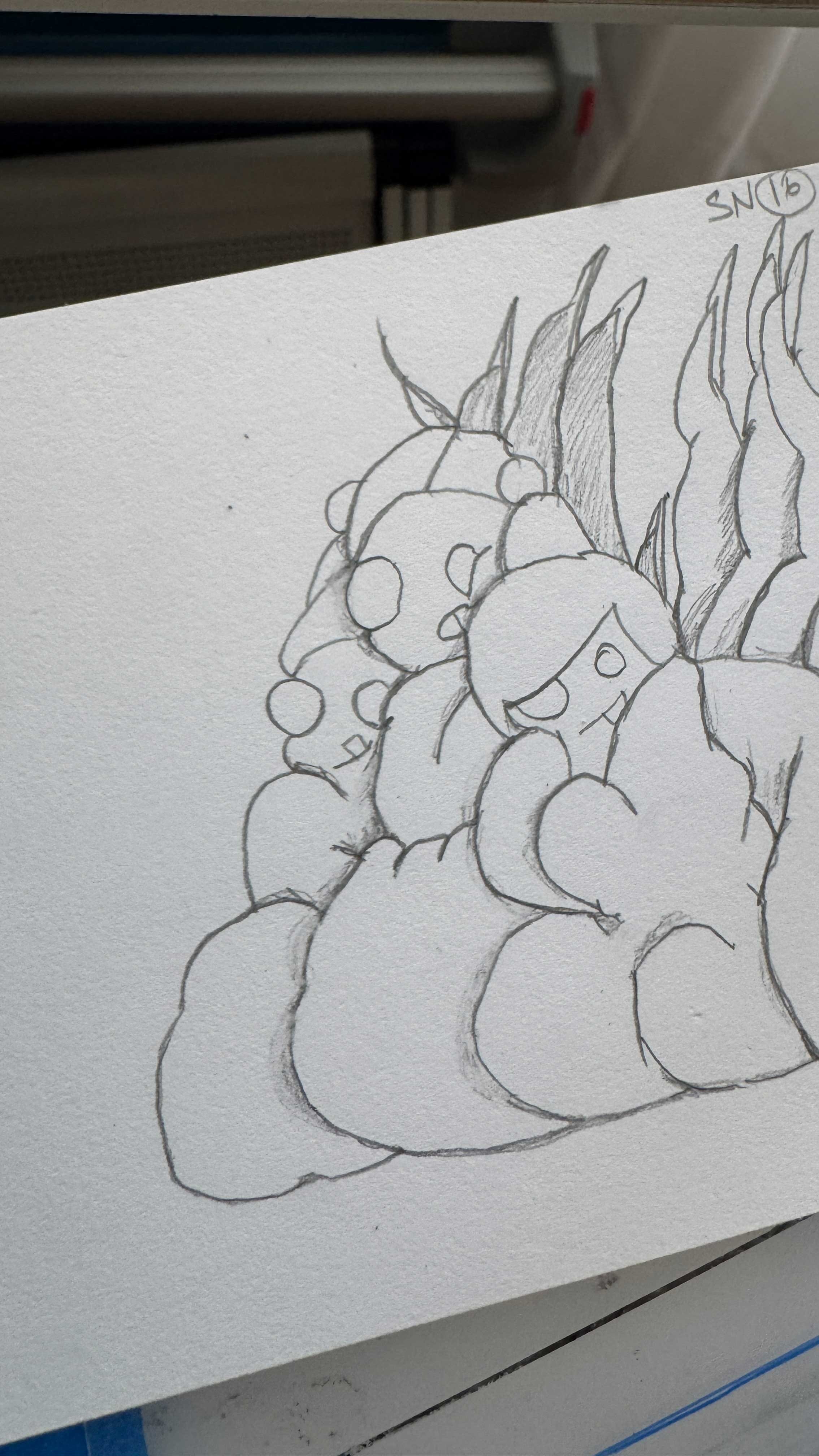
Being observed and critiqued made a huge difference in the quality (and enjoyment) of drawing. It felt fun again. Some frames:
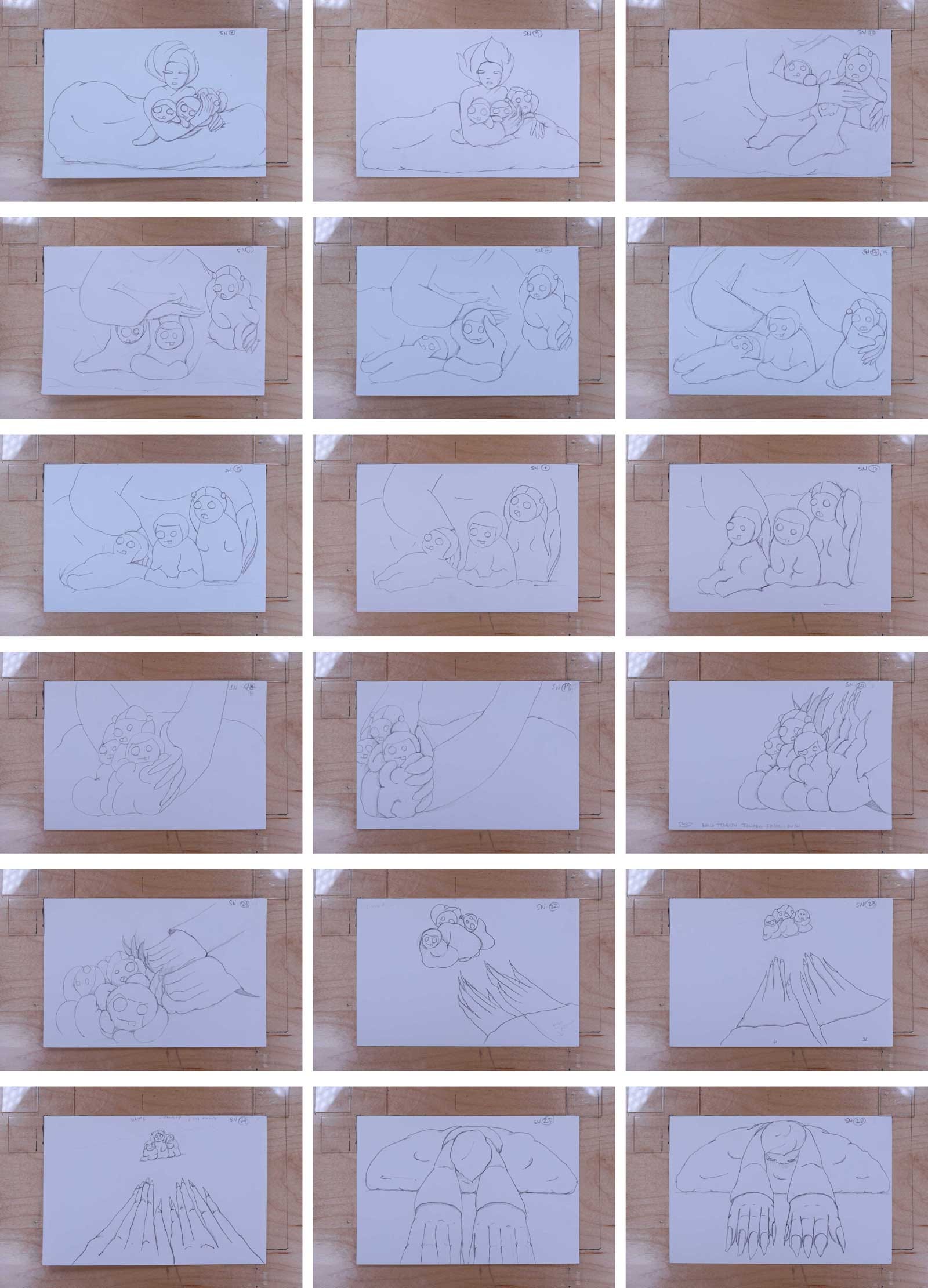
Pencil test:
This is the really fun part: seeing characters come into being, stillness come to life. The girls are developing personalities and that is so, so cool to witness.
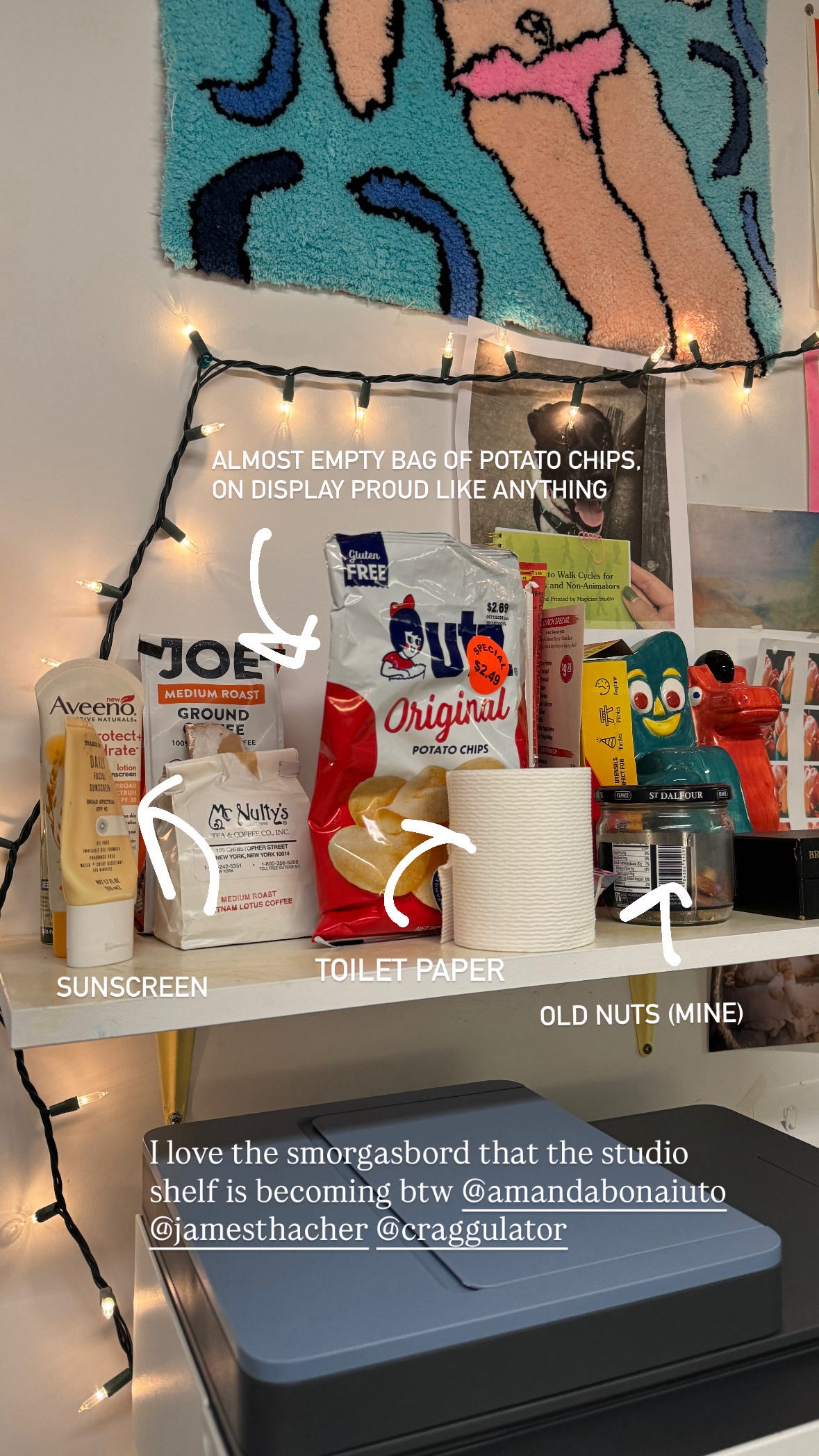
Provisions
Because Today is Saturday. I had a hyper-visceral reaction to this. I wanted to kill the husband so bad. Full film via Animation Showcase if you’ve a login.
Jazza made his own animation table 🤯. I really wish I had the patience and resources to customize my own equipment like that.
“Trapped on a Bus.” A fun This American Life podcast episode: People on journeys they did not intend—or agree to.
“No Return.” “Did an experienced alpinist leave his girlfriend to die at the top of a mountain?” Chilling.2
I’ve been obsessed with Rosalía. I can’t stop listening to Berghain. She’s an icredible performer as well. The minute listened, I knew she was special.
In Closing, Hens
I usually end with a microessay; a first draft sketch this issue as I explore fiction.
And then, she said, he didn’t want to eat. He said he’s trying to lose weight.
It was early; I was the only one in the waiting room. The receptionists sat behind their monitors, slowly swiveling back and forth in their chairs as if bathing in a gentle tide. They seemed to be in their thirties, one heavier-set than the other, both dressed in shades of gray, and fawn.
But then he comes home and starts eating rice; it’s 9 o’clock at night! That’s just nasty.
Mmm hmm, said the other one.
I said to him, what are you doing he said I’m making rice do you want some and I said but I cooked. He said, I thought you were saving it for later, for yourself. She turned to her companion and her placid expression rippled. As if I would leave a covered pot in the fridge for myself! You think I would set aside a pot and keep it covered in the fridge for myself?
I stood up then and said, excuse me, will you let me know when the doctor sends over the physical therapy reference? And then I can check out.
The one who’d been speaking gazed at me, her shoulders forward, body leaning slightly to the side on the armrest of her chair. Oh, you need to tell me when you want to check out. I can’t tell when you want to check out.
Sorry, I was waiting because I thought you’d let me know when you received the paperwork.
She cast her eyes down. No, they don’t tell us anything.
The doctor said he’d send a reference to your desk. And the prescription. It should have come in. Well it hasn’t. The doctor said there would be one. No they usually give it directly to you. No he said he’d send it over to be printed. Well I can ask when the assistant comes out to take the next patient.
There was no other patient in the office, so I wasn’t sure when that would be. Out of the corner of my eye I saw the lanky form of the orthopedist in the hall. I hurried over to him and said, Dr. O, may I have the referral? I already sent it. They say they don’t have it. He visibly refrained from rolling his eyes. Alright, let me resend it. He disappeared into his office. I returned to the reception desk and said, he says he sent it. The quiet one got up then, heavily, bustling around the desk. She must have misheard him, she said to her companion. She repeated this as she passed me.
There was a terse exchange, her voice muffling as she leaned into the office down the hall. She returned shortly, nodding. He thought he sent it but it hadn’t gone through.
Her companion leaned forward and tapped on the keypad. I knew it. Yes of course that’s what happened. There it is.
Then they both turned away from me, as if closing the door.
Ironically, I’ve talked so many times about doing exactly this, lauding “inefficiency” and leaning into the “long, circuitous way around”—but valleys have a way of creating special kinds of blindness.
Pun unintended.